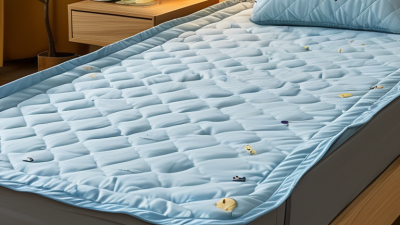
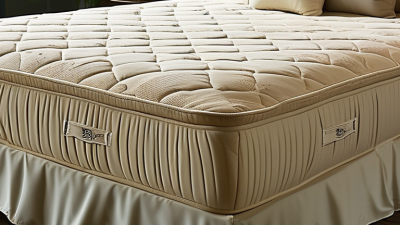
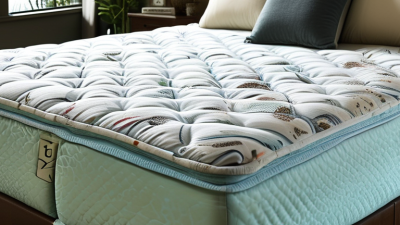
Finding the right Waterproof Mattress Cover Manufacturer in 2026 requires more than comparing product photos and quoted prices. A reliable supplier should understand waterproof membranes, fabric breathability, seam construction, zipper protection, and long-term washing performance. Their covers should feel smooth, not plastic-like, while resisting leaks around corners and stitching. Ask how they control material thickness and maintain consistent sizing across production batches. Details matter.
Experience becomes visible in practical answers. A capable manufacturer can explain laboratory testing, sample approval, inspection procedures, and production capacity without vague promises. Request fabric specifications, test reports, factory photographs, and references from comparable buyers. Check whether the sample survives repeated washing, high-temperature drying, and mattress movement during use. A cover that passes one water test may still fail after months of friction. Ask for evidence.
Trust also depends on communication and transparency. The manufacturer should clearly discuss minimum order quantities, customization limits, packaging, lead times, and quality claims. Look for documented quality systems and testing aligned with the markets you serve. Independent verification is valuable when possible. A polished website can still hide weak production control. No checklist is perfect. Your own sample review remains essential.
Before choosing, compare several suppliers using the same questions and measurements. Record response times, material details, defect handling, and replacement policies. Reliable partners welcome reasonable scrutiny because consistent quality protects both customers and brand reputation. The best decision may not be the cheapest offer. It is the supplier that combines proven production experience, clear technical knowledge, responsible business practices, and dependable support after the order ships.
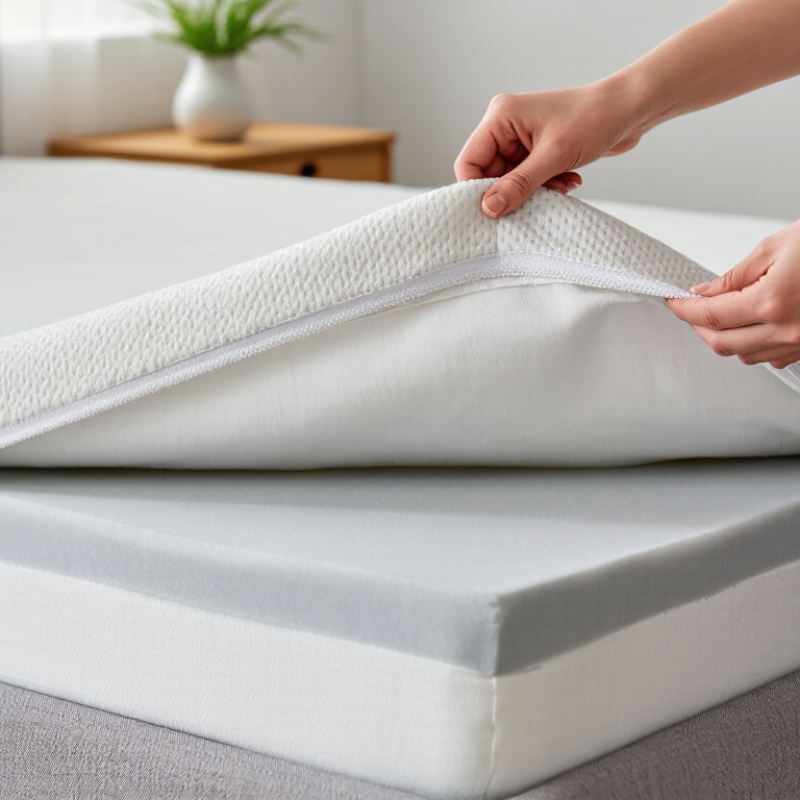
How to Find a Waterproof Mattress Cover Manufacturer 2026?
Before contacting a manufacturer, define the mattress cover’s exact purpose. A hospital cover needs different protection than a home-use cover. Measure the mattress length, width, thickness, and corner depth twice. Small errors can cause loose edges or broken zippers.
Choose the waterproof layer carefully. TPU and PU coatings offer different balances between softness, durability, breathability, and cost. Specify whether the cover must resist spills, sweat, urine, or frequent washing. State the required waterproof test method and ask for recent laboratory reports. Also check fabric weight, seam construction, noise level, shrinkage, and drying time. Details matter.
I once treated “waterproof” as a complete specification. It was not. The sample blocked liquid but felt hot and made a sharp crinkling sound. Request a physical sample before discussing large production. Test it with warm water, repeated washing, and a fitted mattress. Inspect the zipper, elastic, seams, and corners after each test. Ask the manufacturer about material traceability, quality inspections, production capacity, and corrective procedures. Confirm applicable textile safety requirements for your sales market. Your document should include sizes, colors, packaging, labeling, tolerances, target quantity, and delivery expectations. Leave room for revision; real testing may reveal that the first specification was too optimistic.
When researching a waterproof mattress cover manufacturer in 2026, begin with product evidence, not polished catalog images. Request fabric specifications, coating details, seam construction, and washing instructions. A reliable supplier should explain waterproof ratings in practical terms. Ask how the cover performs after repeated washing, stretching, and drying. Sample testing matters.
Compare at least three potential manufacturers using the same checklist. Examine sample stitching under bright light. Check whether the elastic loosens after several fitting cycles. Pour a measured amount of water onto the surface, then inspect the underside after ten minutes. Do not rely on one successful test. Ask for quality-control records, material traceability, inspection procedures, and production capacity. Factory audits, verified references, and clear corrective-action policies can reveal more than a sales presentation.
My early mistake was comparing unit prices before comparing construction. A cheaper cover may use thinner fabric or weaker elastic. That difference appears during customer use. Request quotations based on identical sizes, packaging, testing, minimum order quantities, and delivery terms. Clarify replacement procedures for defective goods. Ask who approves production samples. Keep every specification in writing. Small omissions become expensive later.
Look closely. Ask difficult questions.
Manufacturer research and comparison matrix based on recognized testing standards, procurement requirements, and product-verification practices
| Evaluation Dimension | Recommended Requirement | Evidence to Request from a Manufacturer | Relevant Standard or Reference | Comparison Priority |
|---|---|---|---|---|
| Waterproof Performance | The cover should resist liquid penetration under the intended use conditions, including spills, perspiration, and routine laundering. | Recent laboratory test report identifying the exact fabric, coating, membrane, construction, and test method. | ISO 811 or AATCC 127 hydrostatic pressure testing; ASTM D751 may also be used for coated fabrics. | Critical |
| Fabric and Membrane Construction | A suitable textile layer combined with a continuous waterproof film or coating, without visible pinholes, delamination, or brittle areas. | Material specification sheet, cross-section description, fabric weight, membrane or coating composition, and production sample. | Product specification and physical sample inspection; claims should match the tested construction. | Critical |
| Seam and Zipper Protection | Seams, zipper ends, corners, and elastic openings should be designed to prevent leakage during normal use and washing. | Construction drawings, seam-sealing details, zipper test samples, and leakage test results covering finished products. | Finished-product water-resistance testing; the test report should specify seam and closure conditions. | Critical |
| Wash Durability | Waterproof performance, dimensional stability, zipper function, and elastic recovery should remain acceptable after the buyer’s specified wash cycles. | Wash-cycle protocol, before-and-after test results, shrinkage measurements, and samples after repeated laundering. | ISO 6330 or AATCC laundering procedures, with the exact cycle selected for the product’s care label. | Critical |
| Material Safety | Materials should comply with the chemical and product-safety requirements of the target sales market. | Third-party chemical test reports for the actual production materials, including dyes, coatings, prints, and accessories. | REACH requirements for the European market; CPSIA requirements may apply to products marketed for children in the United States; OEKO-TEX certification can provide additional material screening. | Critical |
| Product Fit and Sizing | The manufacturer should support the required mattress dimensions, depth range, corner design, and tolerance limits. | Size chart, pattern measurements, fitted-depth range, tolerance table, and samples for the largest and smallest requested sizes. | Buyer-approved technical drawings and an agreed pre-production sample; mattress sizes vary by market. | High |
| Breathability and Comfort | The selected construction should balance liquid protection with acceptable air permeability, noise level, hand feel, and sleeping comfort. | Air-permeability data where applicable, fabric swatches, noise comparison samples, and user-wear evaluation results. | ASTM D737 can be used for air permeability of textile fabrics; comfort assessment should also include physical sample review. | High |
| Quality Management | The facility should use documented incoming-material inspection, in-process control, final inspection, corrective action, and traceability procedures. | Quality manual, inspection checklist, defect classification, calibration records, corrective-action examples, and audit permission. | ISO 9001 certification is useful evidence of a quality-management system but does not replace product testing. | High |
| Production Capability | The manufacturer should have suitable cutting, sewing, coating or lamination, seam-finishing, inspection, packing, and storage capabilities. | Factory profile, process-flow chart, equipment list, production-line photographs or audit records, and capacity allocation plan. | Capability should be verified through a factory audit and a production trial rather than accepted solely from marketing materials. | High |
| Sampling and Approval Process | The supplier should provide development samples, revised samples, and a documented pre-production sample before bulk manufacturing. | Sample timeline, sample charges, revision policy, approval form, and retained reference sample procedure. | Buyer-defined product specification and signed golden-sample approval. | High |
| Minimum Order and Scalability | Commercial terms should match the launch quantity while allowing the supplier to support forecast growth without changing approved materials or construction. | Written MOQ by size and color, price breaks, monthly capacity, material reservation policy, and production-slot lead time. | Commercial terms must be confirmed in a written quotation because MOQ and capacity are supplier-specific. | Medium |
| Lead Time and Supply Reliability | The manufacturer should provide separate timelines for sampling, material procurement, production, inspection, and shipment. | Production schedule, historical on-time-delivery data, raw-material risk plan, and escalation procedure for delays. | Evaluate using purchase-order records or customer references where legally and commercially available. | High |
| Inspection and Testing Plan | The purchase contract should define measurable acceptance criteria for waterproofing, dimensions, workmanship, packaging, labeling, and appearance. | Pre-production inspection plan, in-line inspection records, final inspection report, defect limits, and independent inspection access. | AQL-based inspection may be used for lot sampling, but product-specific acceptance criteria must be agreed in advance. | Critical |
| Packaging and Label Compliance | Packaging should protect the cover from moisture, contamination, compression damage, and incorrect size or care labeling during transport. | Packaging specification, carton dimensions, barcode or labeling capability, care-label artwork approval, and packing samples. | Destination-market labeling rules and buyer-approved packaging specifications. | High |
| Environmental and Social Compliance | The supplier should be able to demonstrate responsible chemical management, labor practices, waste handling, and legal operating status. | Valid audit reports, environmental permits where applicable, chemical-management policy, worker-safety records, and corrective-action history. | Buyer code of conduct, applicable local law, and recognized social or environmental audit requirements. | Medium |
| Total Cost of Ownership | Compare the complete landed cost rather than unit price alone, including sampling, testing, tooling, packaging, freight, duties, rework, and warranty risk. | Itemized quotation, Incoterm, payment terms, tooling charges, test charges, packaging cost, logistics assumptions, and warranty policy. | Use the same specification, order quantity, delivery term, currency, and destination for every shortlisted manufacturer. | Critical |
Finding a waterproof mattress cover manufacturer requires more than comparing catalog photos. Start by examining the material. TPU-laminated polyester usually offers a softer hand and better breathability than basic plastic film. Ask for fabric weight, membrane thickness, waterproof ratings, and skin-contact safety reports. A supplier should explain these details clearly.
Quality must be tested, not promised. Request hydrostatic pressure results, seam leakage tests, abrasion data, shrinkage measurements, and repeated washing records. Check whether an independent, accredited laboratory issued the reports. Inspect stitching around zippers and elastic edges. These areas often fail before the main fabric. A clean sample can still hide weak seams.
Production capability also deserves close attention. Visit the factory when possible, or request a live production video. Review cutting equipment, lamination control, sewing lines, inspection points, and batch traceability. Confirm the manufacturer’s monthly capacity, minimum order quantity, sample process, and realistic lead time. Ask how rejected pieces are recorded and corrected. That answer reveals more than a polished presentation.
I once trusted a strong water test too quickly. The cover passed in the lab but felt noisy and uncomfortable during use. That mistake changed my evaluation process. Durability matters, but sleep comfort matters too. Request several samples, wash them repeatedly, and test them on different mattress depths before approving production. A reliable manufacturer welcomes specific questions and provides evidence instead of vague assurances.
This 100-point evaluation framework prioritizes waterproof performance, material safety, durability, quality control, and production capability. Ask manufacturers for test reports against recognized methods such as AATCC 127, ISO 811, ISO 6330, ISO 105-C06, and ISO 12947.
How to use the chart: Compare each supplier against these criteria, verify laboratory documentation, inspect production samples, and confirm that factory capacity matches your required order volume and delivery schedule.
A reliable manufacturer should provide a physical sample before discussing large orders. Test the cover on a mattress at home or in a small trial room. Pour measured water onto the surface, then inspect the underside after several hours. Check the zipper, corner seams, elastic, and fabric noise. A sample may pass a quick test but fail after repeated washing. Ask for the same material in production, not a cheaper substitute. I once overlooked seam strength during evaluation, and that small detail caused later complaints. It was a useful mistake.
Request current certification documents and independent laboratory reports. Confirm the tested fabric, coating, waterproof rating, wash method, and report date. Certifications should match your target market and product claims. Do not accept a certificate showing another material or an expired test. Ask whether the factory performs incoming fabric checks and final inspections. Clear records matter.
Pricing needs a complete breakdown. Compare fabric weight, backing, packaging, printing, testing, and shipping separately. A low quotation may exclude sampling fees or tooling costs. Request prices for several quantities. Then review the minimum order quantity carefully. A manufacturer offering flexible trial orders may suit a new retailer better than a factory demanding thousands of pieces. Still, smaller orders can increase unit prices. Negotiate carefully, but do not sacrifice waterproof performance for a cheaper figure. Mistakes here can be expensive.
Selecting a manufacturer is not only about finding the lowest quotation. A reliable partnership starts with clear product requirements and honest factory communication. Define the cover size, fabric composition, waterproof layer, zipper type, stitching method, and expected wash cycles. Request physical samples before discussing large production volumes. Test them on a mattress, not only on a laboratory table. Check seam leakage, fabric noise, shrinkage, odor, and drying time. Small details often affect customer satisfaction.
Tips: Ask for recent production photos, quality-control records, material test reports, and realistic lead times. Visit the facility when possible, or arrange a live video inspection. Confirm who supplies the fabric, how defects are handled, and whether replacement production is available. A manufacturer should explain limitations clearly. Promises without evidence are warning signs.
A dependable supplier also needs a practical communication system. Set approval points for samples, packaging, color, labels, and final inspection. Use written specifications with measurable tolerances. Discuss payment schedules and order changes before signing an agreement. I once focused too heavily on unit price and overlooked packing quality. The covers arrived compressed, with creased waterproof layers. That mistake taught me to evaluate the complete supply chain, not just the factory floor. Start with a manageable trial order. Review performance after delivery. Reliable cooperation grows through repeated proof, although even a strong supplier may need closer supervision during busy seasons.