
Top Bed Bug Mattress Cover Suppliers for Global Buyers
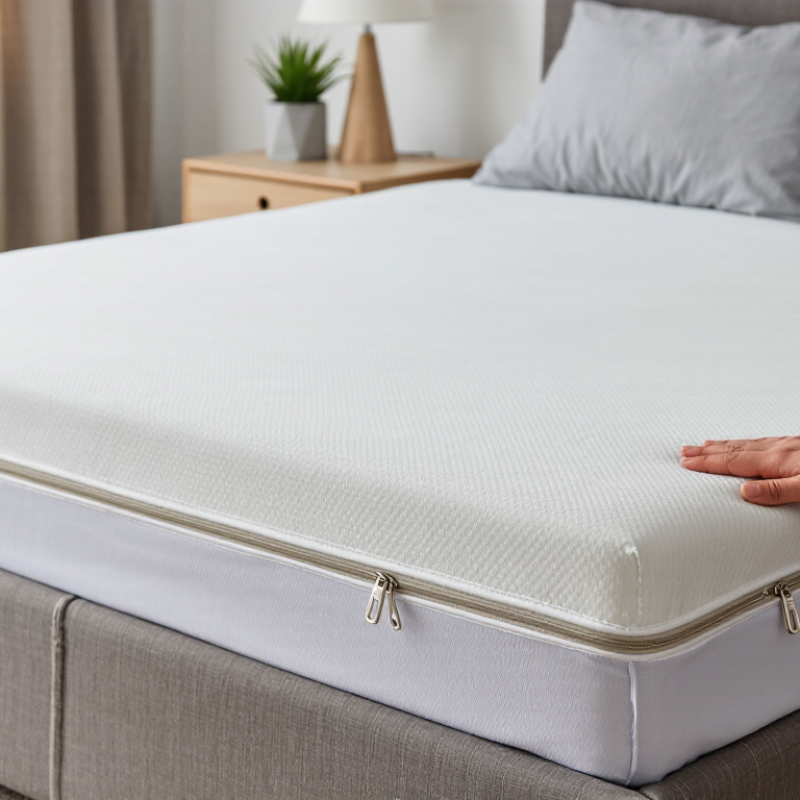
Choosing reliable Bed Bug Mattress Cover suppliers is an important decision for hotels, hospitals, furniture retailers, and household product distributors. A suitable cover should create a secure barrier around the mattress, use durable fabric, and maintain a dependable zipper closure. Small construction details matter. Weak seams, exposed gaps, or rough materials can reduce customer confidence and product performance.
Global buyers also need to examine supplier experience, manufacturing capacity, quality-control procedures, and communication standards. Product samples can reveal more than a polished catalog. Check the stitching, zipper movement, fabric feel, labeling, packaging, and washing instructions. Certifications may support purchasing decisions, but buyers should verify their scope and validity directly. A supplier with clear specifications and traceable production records is usually easier to evaluate.
Not every supplier fits every market. Some companies offer competitive pricing but limited customization. Others provide stronger technical support, yet require higher minimum order quantities. That trade-off deserves careful attention. Buyers should compare material options, mattress-size ranges, inspection policies, delivery schedules, and after-sales service before placing large orders. Regional climate also matters, because humid storage conditions can affect packaging and product handling.
This guide reviews leading supplier characteristics for international purchasing teams. It focuses on practical evidence rather than attractive claims. However, supplier information can change, and independent verification remains necessary. A thoughtful sourcing process protects budgets, supports consistent quality, and helps end users sleep with greater confidence. Small details count.
What Makes a Reliable Bed Bug Mattress Cover Supplier
A reliable bed bug mattress cover supplier must prove performance, not merely display attractive product photos. The National Pest Management Association’s Bugs Without Borders survey found that 97% of pest professionals treated bed bugs in the previous year. This persistent demand makes supplier quality a practical concern for global buyers. Suppliers should provide laboratory test reports, material specifications, and clear production records.
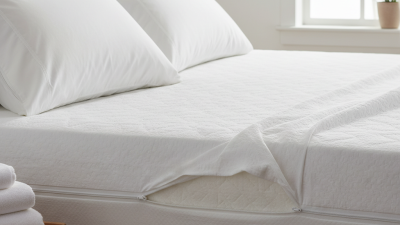
A dependable cover should fully enclose the mattress and remain sealed during use. University extension guidance commonly stresses strong seams, a secure zipper, and protection against escape. Look for tightly woven fabric, reinforced stitching, and zipper teeth that do not separate under tension. Ask whether each production batch receives inspection. One sample is not enough. A useful supplier also explains washing limits, temperature tolerance, and expected service life in plain language.
Certifications deserve careful checking. A test document without a laboratory name, method, or date proves little. The U.S. Environmental Protection Agency advises using encasements specifically designed for bed bug control, rather than ordinary mattress protectors. That distinction matters. Cheap covers may feel acceptable at first, but weak corners can fail quickly. A reliable supplier should welcome independent testing and provide traceable documents. No supplier is perfect. Buyers should still verify fit, zipper design, packaging, and after-sales response before placing a large order.
Top Bed Bug Mattress Cover Suppliers for Global Buyers - What Makes a Reliable Bed Bug Mattress Cover Supplier
| Supplier Type | Typical Buyer Segment | Common Product Construction | Typical Size Coverage | Closure and Barrier Features | Quality Evidence to Request | Typical MOQ Range | Typical Production Lead Time | Reliability Indicator |
|---|---|---|---|---|---|---|---|---|
| Premium Contract Manufacturer | Retailers, e-commerce sellers, and established bedding distributors | Knitted polyester or polyester-blend fabric with a waterproof polyurethane membrane | Common mattress depths from approximately 15 to 40 cm; custom dimensions available | Fine-tooth zipper, zipper-end guard, tightly woven fabric, and fully enclosed seams | Independent zipper, seam, leakage, dimensional, and wash-cycle test reports | Approximately 500–2,000 pieces, depending on customization | Approximately 25–45 days after sample and artwork approval | Documented quality-control process, pre-shipment inspection, and stable material specifications |
| Export Bedding Specialist | Importers, wholesalers, and regional distributors | Polyester microfiber, cotton-polyester, or knitted synthetic fabric with coated backing | Standard single, double, queen, king, and California king formats in selected markets | Secure zipper closure, elasticized edges, and a pore-resistant enclosure designed to prevent insect passage | Material composition, colorfastness, shrinkage, chemical-compliance, and packaging inspection records | Approximately 300–1,500 pieces for standard designs | Approximately 20–40 days for repeat products | Experience with export documentation, carton marking, and destination-market labeling |
| High-Volume Private-Label Factory | Large online retailers, national chains, and promotional programs | Machine-produced polyester fabric, laminated barrier layer, and standardized zipper assemblies | High-volume standard sizes with limited tolerance for non-standard dimensions | Covered zipper, reinforced zipper stops, elastic skirt, and production-line seam controls | Pre-production sample approval, AQL inspection records, batch traceability, and packaging drop-test results | Approximately 2,000–10,000 pieces or more | Approximately 30–60 days, subject to production scheduling | Consistent repeat-order capacity, automated inspection, and clear production tolerances |
| Small-Batch Custom Supplier | New brands, specialist retailers, and test-market buyers | Custom fabric combinations, custom labels, and flexible packaging options | Custom mattress height and width options, subject to pattern approval | Zippered enclosure, elastic perimeter, optional handle, and buyer-selected packaging | Physical samples, fabric specifications, wash testing, zipper-cycle testing, and measurement approval | Approximately 100–500 pieces | Approximately 30–55 days, including pattern development | Fast sample communication, accurate measurements, and written approval before bulk production |
| Hospitality and Facility Supplier | Hotels, dormitories, healthcare facilities, and property-management groups | Commercial-grade polyester or blended fabric designed for repeated laundering | Standard commercial mattress dimensions with selected deep-pocket options | Reinforced zipper, washable barrier layer, elasticized fit, and color-coded size identification | Laundering instructions, repeated-wash dimensional stability, seam strength, and chemical-safety documentation | Approximately 100–1,000 pieces per size | Approximately 15–35 days for stocked or standard products | Reliable replenishment, consistent sizing, durable closures, and clear care instructions |
| Compliance-Focused Supplier | Buyers requiring documented safety and restricted-substance compliance | Textile fabric with a tested waterproof or breathable membrane and controlled chemical inputs | Standard and custom sizes with documented dimensional tolerances | Enclosed zipper system, sealed or reinforced seams, and a barrier structure suitable for the intended use | REACH-related documentation where applicable, restricted-substance testing, colorfastness, and performance reports | Approximately 500–3,000 pieces, depending on testing and customization | Approximately 35–65 days, including laboratory testing when required | Traceable raw materials, current test reports, batch records, and transparent corrective-action procedures |
Related Posts
-
Top 10 Best Bed Bug Mattress Covers for Global Buyers?
-
2026 Top Bed Bug Mattress Cover Types for Wholesale Buyers
-

Top Pul Fabric Trends for 2026 What Buyers Need to Know?
-
China Best Bed Bug Mattress Cover Options for Ultimate Protection?
-

What is Tpu Fabric and How to Choose the Best Option?
-
How to Choose the Best Waterproof Mattress Cover With Zipper for Your Needs?