Top 10 Best Bed Bug Mattress Covers for Global Buyers?
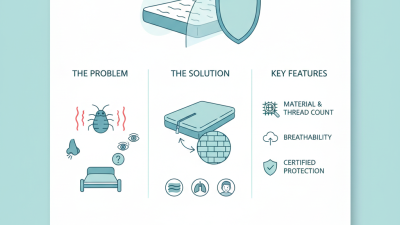
Choosing the right Bed Bug Mattress Cover requires more than comparing prices or reading star ratings. A reliable cover should fully enclose the mattress, use a secure zipper, and resist tearing around seams. Its fabric should feel smooth, but not dangerously slippery. Small details matter.
Dr. Michael F. Potter, a respected urban entomologist, has stated, “Mattress encasements are a useful tool, but they are not a substitute for inspection and treatment.” This warning keeps the buying process realistic. A cover can trap hidden bed bugs inside and make new activity easier to notice. However, it cannot protect an uncovered bed frame, sofa, luggage, or nearby furniture.
This guide examines ten leading options for global buyers. It considers zipper protection, fabric durability, waterproof performance, breathability, mattress depth, cleaning instructions, and available sizes. These features become practical during travel, humid weather, or frequent washing. A strong zipper can prevent escape. Weak stitching can quietly create a gap.
Buyer reviews also need careful reading. Some comments describe comfort, while others reveal shrinking, noisy fabric, or difficult installation. Marketing language is not proof. Independent testing and clear product specifications deserve more attention.
There is no perfect cover.
Even experienced shoppers can overlook mattress thickness or regional sizing. That is an honest limitation. The best choice depends on your bed, climate, budget, and prevention needs. This comparison aims to make those decisions clearer, without promising a solution that one cover cannot provide.
What Makes a Bed Bug Mattress Cover Effective for Global Buyers
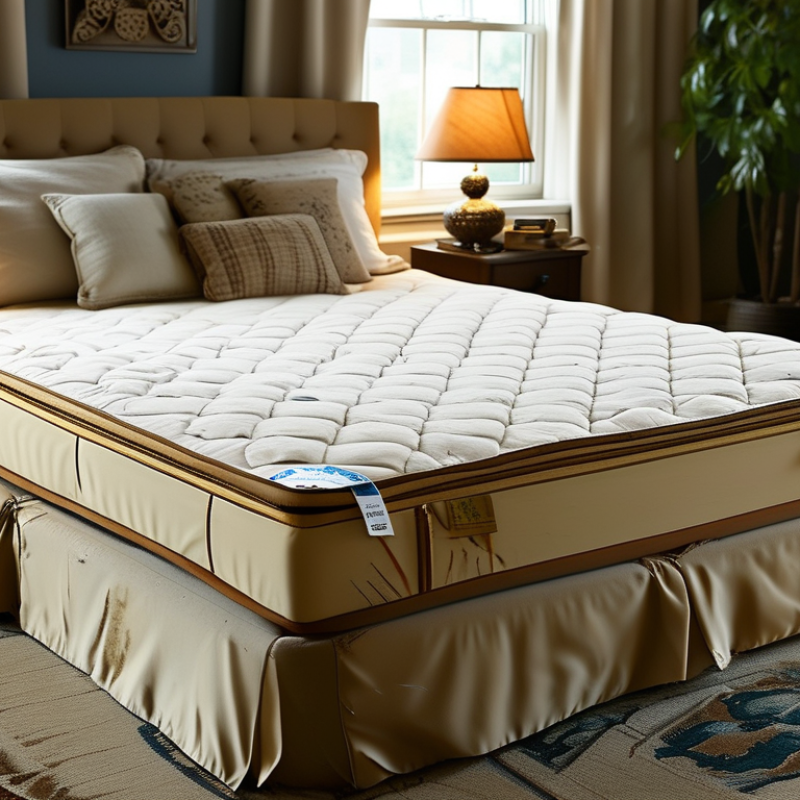
An effective bed bug mattress cover must create a complete, lasting barrier around the mattress.
Its fabric should resist tearing, while its seams need tight stitching and reinforced edges. The zipper is equally important. A tiny opening can undermine the entire protection system. Choose a cover with a secure zipper closure that stays flat beneath bedding.
Fit matters across global markets.
Mattress depths and sizes differ widely, even when measurements appear similar. Measure the mattress, including any topper, before ordering. A loose cover may shift, while an overstretched one can strain the seams. Breathable fabric also deserves attention in humid climates. Heat and trapped moisture can make sleeping uncomfortable.
I once treated breathability as a minor detail; that was a mistake.
Reliable products should provide clear care instructions, material information, and documented testing from an independent laboratory.
Look for washable construction that keeps its shape after repeated cleaning. The cover should not rely on vague claims or dramatic promises. It does not replace cleaning, inspection, or professional treatment when an infestation already exists. Keep it fully closed and inspect the zipper regularly. Small failures are easy to miss. Buyers should also check return conditions, packaging quality, and instructions written in a language they understand. Availability of replacement parts may matter more than appearance, especially in regions with limited shipping options.
Key Features to Compare in Bed Bug Mattress Encasements
When comparing bed bug mattress encasements, inspect the zipper before the fabric. A bite-proof design needs a tightly closed, reinforced zipper with no exposed gaps. University extension guidance recommends keeping a sealed encasement in place for about 18 months, because bed bugs can survive many months without feeding. The cover should fully surround the mattress, including corners and seams.
Material choice also matters for global buyers. Look for tightly woven polyester or blended fabric, strong stitching, and a breathable waterproof layer. Waterproofing helps protect against stains, but excessive coating may trap heat. A laboratory-tested product is preferable, yet “tested” alone proves little without identifying the test method. Check the stated mattress depth carefully. A loose cover can fold, stress the zipper, and create hidden openings.
The National Pest Management Association’s 2018 Bugs Without Borders survey reported that 97% of surveyed pest professionals treated bed bugs during the previous year. Its findings also identified bed bugs as one of the most difficult pests to control. That supports using encasements as part of a wider inspection and cleaning plan, not as a standalone cure. I would also compare wash temperature, drying limits, warranty terms, and fiber labeling. Some claims sound impressive. They may not survive repeated washing. A perfect fit on paper can still fail on a thick pillow-top mattress.
Top 10 Best Bed Bug Mattress Covers for Global Buyers
Key features to compare when choosing a bed bug mattress encasement. The scores below use a transparent editorial buying model based on protection, durability, comfort, maintenance, and practical value.
The priority score is measured on a 0–10 scale. A fully enclosed design, secure zipper system, and durable fabric receive the highest weighting because they directly affect protection and long-term use. Waterproofing, breathability, washability, and warranty support are also important for global buyers comparing mattress covers.
Top 10 Bed Bug Mattress Covers by Protection and Usability
Top 10 Best Bed Bug Mattress Covers for Global Buyers?
Top 10 Bed Bug Mattress Covers by Protection and Usability
The strongest choices begin with full-encasement covers, which surround every mattress surface and reduce hiding spaces. A tightly woven cover with sealed seams offers dependable protection, especially when its zipper closes completely. Reinforced zipper covers rank highly because bed bugs can exploit tiny openings. Waterproof encasements are practical in humid rooms, where spills and moisture may weaken fabric. Breathable versions feel cooler in tropical climates, although comfort depends on the mattress and room ventilation.
Deep-pocket covers suit thick mattresses and prevent exposed edges after movement. Box-spring encasements extend protection beyond the sleeping surface. Washable covers are easier to maintain, but frequent hot washing can shorten their life. Hypoallergenic fabrics may help sensitive sleepers, yet “hypoallergenic” does not automatically prove bed bug resistance. Travel covers are compact and useful for inspections, but their smaller size limits long-term protection. Adjustable covers fit unusual dimensions, though excess fabric can create folds and stress the zipper.
Check independent test information, fabric density, zipper construction, and care instructions before buying. Measure mattress length, width, and height twice. One missed centimeter matters. In my experience, installation is often harder than expected, especially around heavy mattresses. Lift carefully, inspect every corner, and repair small tears immediately. No cover solves an infestation alone; monitoring and professional guidance may still be necessary.
Top 10 Best Bed Bug Mattress Covers for Global Buyers? - Top 10 Bed Bug Mattress Covers by Protection and Usability
| Rank |
Cover Type |
Common Mattress Sizes |
Depth Range |
Primary Fabric |
Waterproof Layer |
Enclosure Style |
Protection Score |
Breathability |
Wash Temperature |
Usability Score |
Best Use |
| 1 |
Full-encasement premium cover |
Twin, Full, Queen, King |
8–14 in / 20–36 cm |
Polyester knit with tightly woven barrier |
Yes |
360° zipper |
9.6/10 |
High |
60°C / 140°F |
9.2/10 |
Active infestations and long-term protection |
| 2 |
Six-sided waterproof encasement |
Twin XL, Full, Queen, King |
9–15 in / 23–38 cm |
Stretch polyester with polyurethane backing |
Yes |
Sealed zipper flap |
9.4/10 |
Medium-high |
60°C / 140°F |
8.9/10 |
Homes needing liquid and pest protection |
| 3 |
Allergen-barrier encasement |
Twin, Full, Queen, King, California King |
8–14 in / 20–36 cm |
Microfiber with fine-pore membrane |
No |
Full zipper |
9.1/10 |
High |
60°C / 140°F |
9.0/10 |
Sensitive sleepers and routine prevention |
| 4 |
Breathable knitted encasement |
Twin, Full, Queen, King |
10–16 in / 25–41 cm |
Cotton-polyester knit |
No |
Full zipper |
8.8/10 |
Very high |
40°C / 104°F |
9.1/10 |
Warm climates and everyday comfort |
| 5 |
Deep-pocket zippered cover |
Full, Queen, King, California King |
14–18 in / 36–46 cm |
Brushed polyester |
Yes |
Full zipper |
8.7/10 |
Medium |
40°C / 104°F |
8.6/10 |
Tall mattresses and pillow-top beds |
| 6 |
Budget full-encasement cover |
Twin, Full, Queen |
8–12 in / 20–30 cm |
Polyester microfiber |
Yes |
Zipper with flap |
8.4/10 |
Medium |
40°C / 104°F |
8.5/10 |
Guest rooms and prevention on a budget |
| 7 |
Organic-fiber style barrier cover |
Twin, Full, Queen, King |
8–14 in / 20–36 cm |
Cotton-rich fabric with barrier liner |
No |
Full zipper |
8.3/10 |
Very high |
40°C / 104°F |
8.1/10 |
Users prioritizing natural-feel textiles |
| 8 |
Lightweight travel encasement |
Twin, Full, Queen |
6–12 in / 15–30 cm |
Lightweight polyester |
No |
Compact zipper |
7.9/10 |
High |
40°C / 104°F |
9.0/10 |
Hotels, dormitories, and temporary stays |
| 9 |
Mattress-and-box-spring set |
Twin, Full, Queen, King |
8–14 in / 20–36 cm |
Polyester knit |
Usually no |
Zippered covers |
8.2/10 |
Medium-high |
40°C / 104°F |
8.0/10 |
Complete bed-base coverage |
| 10 |
Easy-install stretch cover |
Twin, Full, Queen, King |
10–14 in / 25–36 cm |
Stretch polyester blend |
No |
U-shaped zipper |
7.8/10 |
High |
40°C / 104°F |
8.8/10 |
Frequent removal and washing |
Note: Dimensions are presented in both inches and centimeters. Protection scores consider full enclosure, zipper security, seam construction, and barrier coverage; usability scores consider fit range, breathability, installation, care, and washing requirements.
Care, Inspection, and Replacement Guidelines for Mattress Covers
A reliable bed bug mattress cover should fully encase the mattress, including its underside. Choose the correct dimensions, mattress depth, and zipper design before buying. A loose cover can create folds where damage stays hidden. A secure zipper should close completely and remain sealed during normal movement. For global buyers, check care labels, fabric composition, and washing instructions in a language you understand.
Clean the cover according to its label, not personal assumptions. Some materials tolerate hot washing, while others may shrink or weaken. Dry it completely before reinstalling it. Inspect the zipper, seams, corners, and elastic edges every month. Use a bright flashlight. Look for split stitching, small holes, stains, or trapped debris. A cover may look clean and still fail. I once focused too much on surface marks and missed a damaged zipper end. That mistake changed my inspection routine.
Tips: Keep the mattress cover on during inspections. Do not remove it casually after suspected activity. Record the inspection date and photograph questionable damage. Replace the cover immediately when its barrier is broken, even if the tear seems minor. Replace it sooner after repeated washing, stretching, or zipper failure. If bed bugs are suspected, combine the cover with professional inspection and room-wide monitoring. A cover protects the mattress, but it does not treat every hiding place.