Top Zippered Mattress Cover Suppliers for Global Buyers
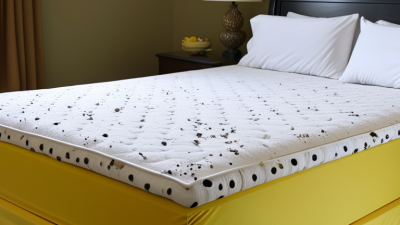
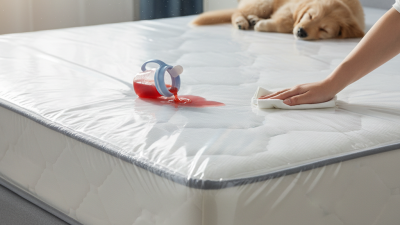
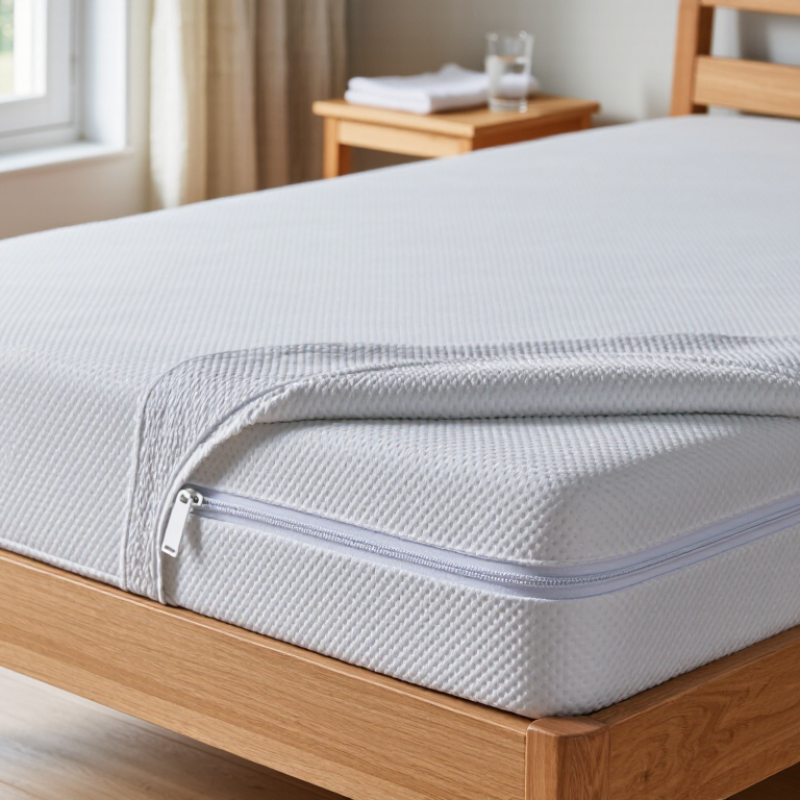
Global buyers are paying closer attention to mattress hygiene, durability, and supply reliability. A Zippered Mattress Cover can protect mattress cores from dust, stains, moisture, and repeated handling during distribution. It also supports easier inspection and replacement in hotels, hospitals, rental housing, and home furnishing projects. The detail is practical: a strong zipper, reinforced seams, and breathable fabric can determine whether a cover survives weekly laundering or fails after several months.
Industry data shows why supplier selection deserves careful review. Fortune Business Insights valued the global mattress market at approximately USD 57.5 billion in 2023 and expects continued expansion through 2032. Grand View Research also identifies replacement demand, hospitality growth, and online furniture sales as important market drivers. These reports focus on mattresses rather than covers, but they reveal a wider need for dependable protective components. The figures vary between research firms. That difference should encourage buyers to verify assumptions, not simply repeat the highest forecast.
Reliable suppliers should provide fabric specifications, zipper testing details, dimensional tolerance, sample approval, and traceable quality records. Certifications such as OEKO-TEX Standard 100 may help buyers assess harmful-substance controls, while ISO 9001 systems can indicate more consistent production management. However, certification alone is not proof of product performance. Request washing tests, seam-strength results, and production samples. Check the actual factory, not only the catalog. This guide compares leading Zippered Mattress Cover suppliers through product quality, customization capability, compliance evidence, manufacturing experience, and export service. Some rankings may remain subjective, because pricing, lead times, and regional performance change quickly. That is precisely why careful verification matters.
What Defines a Reliable Zippered Mattress Cover Supplier
A reliable zippered mattress cover supplier offers more than attractive prices. They understand mattress sizes, fabric behavior, zipper durability, and repeated washing. Experienced suppliers can recommend suitable fabric weights, such as breathable polyester blends or tightly woven cotton. They should explain why a specific material fits your market and climate.
Ask for a physical sample before placing a large order. Check the zipper movement, seam strength, corner fit, and fabric shrinkage after washing. A dependable supplier shares clear specifications, inspection records, packing details, and realistic production schedules. They should also communicate quickly when materials or shipping conditions change. Certifications can support trust, but documents alone do not prove consistent quality. A supplier may pass one inspection and disappoint later. That possibility deserves attention.
Tips: Compare samples from several suppliers. Request test results for colorfastness, shrinkage, and zipper cycling. Confirm measurements in writing, including zipper length and mattress depth. Review carton protection before shipment. Keep communication records. Do not choose the lowest quote automatically. A slightly higher price may reflect stronger stitching, better packaging, or fewer replacements. Still, higher cost is not proof of reliability. Ask practical questions, inspect the answers, and remain willing to revise your supplier list.
What Defines a Reliable Zippered Mattress Cover Supplier?
Accurate sizing is a fundamental supplier-quality requirement. The chart compares commonly traded mattress dimensions across North American and European markets, helping global buyers assess pattern accuracy, zipper placement, and fit consistency before placing bulk orders. Dimensions are nominal and may vary by market or manufacturer.
Key Product Features and Material Standards to Compare
Top Zippered Mattress Cover Suppliers for Global Buyers
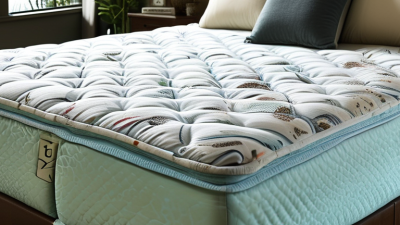
When comparing zippered mattress cover suppliers, inspect the material before discussing price. A tightly woven polyester cover resists repeated washing and dries quickly. Cotton feels softer, but it may shrink without proper finishing. A polyurethane membrane can block liquids while preserving moderate airflow. Ask for fabric weight, coating thickness, and seam construction. These details reveal more than a product photograph.
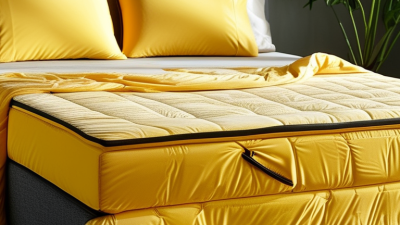
The zipper should run smoothly around the mattress without exposing sharp edges. Check whether the zipper tape is colorfast and securely stitched. Suppliers should provide test reports for water resistance, dimensional stability, colorfastness, and harmful-substance screening. Common references include OEKO-TEX requirements, REACH-related chemical controls, and relevant textile testing methods. Requirements can differ by destination market, so buyers must verify current documentation. A certificate alone is not enough.
Tips: Request a sample in the exact mattress size. Wash it several times before approval. Measure shrinkage afterward. Test the zipper with the cover fully loaded, not flat on a table. I have seen strong fabrics fail at weak corner seams. That mistake is easy to miss. Also compare packaging, labeling accuracy, carton protection, and batch consistency. Suppliers with clear inspection records and traceable material sources are usually easier to manage. Still, no supplier is perfect; small production variations deserve careful review before a large order.
Evaluating Manufacturing Capacity, Quality Control, and Delivery
Top Zippered Mattress Cover Suppliers for Global Buyers
Evaluating Manufacturing Capacity, Quality Control, and Delivery
Reliable mattress cover sourcing starts with measurable factory capacity. Ask for monthly output, active production lines, and backup equipment. A capable supplier should explain how it handles large orders without weakening inspection standards. During factory visits, check cutting tables, sewing stations, zipper machines, and finished-goods storage. Empty space alone proves little.
Quality control needs practical evidence. Inspect fabric weight, coating consistency, seam strength, zipper alignment, and dimensional tolerance. A useful supplier keeps records for each production lot. Sample testing should include repeated zipper opening, water resistance, shrinkage, and colorfastness checks. I prefer suppliers that share inspection photos and corrective-action reports. Small defects often appear near corners and zipper ends.
Delivery reliability depends on planning, not promises. Review material lead times, production schedules, carton labeling, and export documentation before placing an order. Suppliers should provide milestone updates, especially when custom sizes require new patterns. Confirm whether they can replace defective units quickly. No factory is flawless. One supplier may offer excellent capacity but struggle with peak-season communication. That weakness deserves attention. A cautious buyer should compare trial-order results with later bulk performance, because the first shipment can hide production pressure.
Choosing the Right Supplier for Global Purchasing Requirements
Global buyers need more than a low quotation when selecting zippered mattress cover suppliers. Product consistency, communication, and shipment reliability often determine the real purchasing cost. A professional supplier should provide fabric composition, zipper specifications, dimensional tolerances, and washing test results. Ask for evidence.
Request a pre-production sample before placing a large order. Check the zipper movement, seam strength, corner fit, and fabric recovery after washing. A useful sample should reflect the final materials, not a specially prepared version. Details matter. During factory evaluation, review production records, quality checkpoints, packaging methods, and corrective-action procedures. These details reveal whether quality control is routine or only promised during sales discussions.
For international purchasing, confirm carton dimensions, labeling formats, export documents, lead times, and payment terms in writing. Suppliers should also explain how they manage material shortages or delayed inspections. A polished presentation is not proof of dependable performance. Some suppliers answer quickly but provide vague technical data. That is a warning sign. I have seen buyers focus heavily on unit price and overlook replacement costs, port delays, and inconsistent sizing. That approach can be understandable, but it needs reconsideration. Compare suppliers using the same specification sheet and scoring method. Keep written records of samples, approvals, and production changes. A supplier that welcomes inspection, admits limitations, and responds with measurable solutions is usually easier to manage across borders. Reliability grows from verified processes, not confident promises.