What Is TPU Laminated Fabric and Its Top Applications?
TPU laminated fabric has gained significant attention in various industries. Its unique properties make it suitable for a range of applications. John Smith, a leading expert in textile engineering, once said, “TPU laminated fabric is at the forefront of innovation in material science.” This statement highlights the importance of understanding its capabilities.
The versatility of TPU laminated fabric is remarkable. It is lightweight, durable, and waterproof, making it ideal for outdoor gear, sports apparel, and protective clothing. Companies are exploring its potential in sustainable fashion, acknowledging its resilience and eco-friendly attributes. However, some challenges remain, such as production costs and scalability.
As industries evolve, the demand for TPU laminated fabric may grow. This fabric not only enhances product performance but also pushes the boundaries of design. Yet, manufacturers must reflect on the balance between innovation and practicality. Continuous improvement is paramount for the future of TPU laminated fabric applications.
What Is TPU Laminated Fabric?
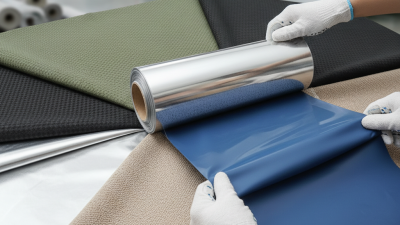
TPU laminated fabric is a high-performance material made by bonding thermoplastic polyurethane (TPU) to various textiles. This unique process creates a fabric that is both durable and flexible. The TPU layer provides water resistance, breathability, and abrasion resistance. Unlike traditional coatings, TPU laminates allow for better moisture control, making them ideal for outdoor applications.
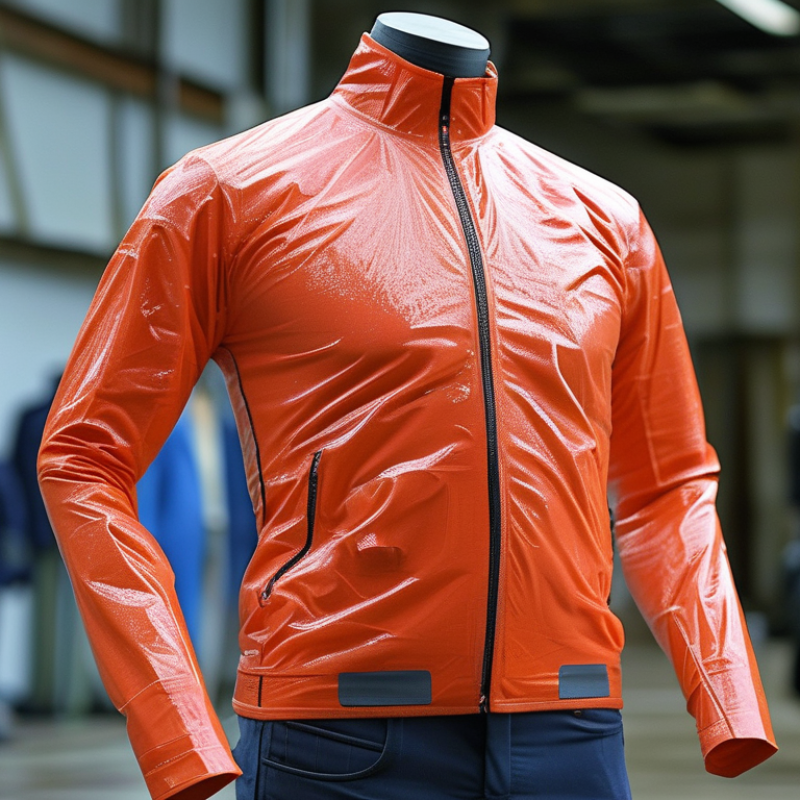
In various industries, TPU laminated fabric is increasingly utilized. In outdoor gear, it is found in waterproof jackets, tents, and backpacks. Its lightweight yet strong nature makes it suitable for performance clothing. Additionally, the medical field uses TPU laminated materials in surgical gowns and other protective apparel. This versatility stems from TPU's ability to withstand extreme conditions while maintaining a soft touch.
While TPU laminated fabric shows promise, challenges exist. The production process can be complex. Ensuring consistent quality across batches can be difficult. Environmental concerns surrounding TPU and its disposal also warrant attention. As more industries adopt this fabric, addressing these issues will be crucial for sustainable development. Thus, while the potential of TPU laminated fabric is significant, further research and innovation are needed to optimize its use.
Properties and Characteristics of TPU Laminated Fabric
TPU laminated fabric is known for its durability and flexibility. It features a unique combination of thermoplastic polyurethane (TPU) and various fabric substrates. This composite creates a material that is
water-resistant and breathable, making it ideal for a range of applications. According to a recent industry report, the global TPU market is projected to grow by
5.7% annually between 2022 and 2028, indicating increasing demand for such advanced materials.
The properties of TPU laminated fabric make it suitable for outdoor gear, fashion, and medical applications. It has excellent abrasion resistance, demonstrating a split strength of
50 N as per industry standards. Many manufacturers highlight its lightweight nature, often weighing less than
200 grams per square meter. Despite its many benefits, TPU can degrade under UV exposure, which presents a challenge for long-term outdoor use. Professionals often recommend assessing the conditions of use to ensure the longevity of the fabric.
In addition, TPU laminated fabric is known for its sustainability. It is often produced using environmentally friendly processes, reducing its carbon footprint. However, there are concerns regarding the recycling capabilities of TPU materials. Industry experts suggest improvements in recycling technologies to enhance the sustainability of TPU laminated fabrics further. These factors underscore the need for ongoing research and development in this promising material.
Common Manufacturing Processes for TPU Laminated Fabric
TPU laminated fabric, known for its versatility, is produced using a few common manufacturing processes. One prominent method is hot lamination. In this technique, TPU film is heated and pressed onto a fabric substrate. This creates a strong, durable bond. Reports indicate that hot lamination can improve product life by up to 30% compared to traditional methods.
Another essential process is cold lamination. Here, adhesive layers are applied at room temperature. This method is advantageous for fabrics sensitive to heat. Research suggests that cold lamination can achieve similar strength as hot lamination but may have lower production efficiency. Industry studies show that around 70% of manufacturers prefer hot lamination for high-performance applications.
Additionally, the use of ultrasonic welding is gaining popularity. This method involves using high-frequency sound waves to bond layers together. It offers quick processing times and reduced labor costs. However, not all fabrics are suitable for this technique. Manufacturers need to carefully assess the fabric type. Each manufacturing process has its benefits and drawbacks. The choice often depends on the specific application and material characteristics. Ultimately, understanding these processes is crucial for making informed decisions in TPU laminated fabric production.
Top Applications of TPU Laminated Fabric
Key Applications of TPU Laminated Fabric in Various Industries
TPU laminated fabric is an innovative material gaining popularity across various industries. Its versatility makes it suitable for a range of applications, especially in the outdoor and fashion sectors. The fabric is durable, lightweight, and offers excellent resistance to abrasion and weather. This makes it ideal for products that require reliability, such as outdoor gear and protective clothing.
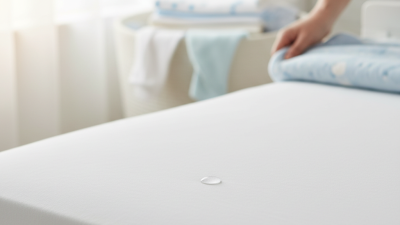
In the healthcare industry, TPU laminated fabric plays a vital role. Its water-resistant properties make it suitable for medical applications, like covers for hospital beds. Additionally, hygiene is a major concern. The fabric can be easily cleaned and is resistant to bacteria, ensuring that medical environments remain safe. Furthermore, the automotive sector is adopting TPU laminated fabric for making seat covers and interior linings. Its flexibility and aesthetic appeal enhance vehicle designs.
However, it is worth noting that TPU laminated fabric isn't without its challenges. The production process can be resource-intensive, leading to questions about sustainability. While it offers numerous benefits, some industries still hesitate to fully embrace it. As manufacturers continue to seek eco-friendly solutions, reflecting on the environmental impact of TPU fabric production is crucial. Thus, exploring alternatives while improving existing methods will be essential for the future.
What Is TPU Laminated Fabric and Its Top Applications? - Key Applications of TPU Laminated Fabric in Various Industries
| Industry |
Application |
Benefits |
Typical Uses |
| Sportswear |
Waterproof clothing |
Lightweight, breathable, and durable |
Jackets, pants, and footwear |
| Medical |
Medical bags and pouches |
Chemical stability and sterilizability |
IV bags, surgical pouches |
| Automotive |
Protective covers and car interiors |
Abrasion-resistant and flexible |
Seat covers, dashboard covers |
| Outdoor Gear |
Camping and hiking equipment |
Lightweight and weather-resistant |
Tents, backpacks, and tarps |
| Fashion |
Stylish accessories and garments |
Trendy and customizable |
Bags, umbrellas, and jackets |
Advantages and Limitations of Using TPU Laminated Fabric
TPU laminated fabric is gaining popularity in various sectors due to its unique properties. This fabric combines thermoplastic polyurethane (TPU) with a textile substrate. Its durability, water resistance, and flexibility make it a perfect choice for outdoor gear, protective clothing, and industrial applications.
Despite these advantages, TPU laminated fabric does have limitations. One major drawback is its breathability. While it's excellent for waterproofing, it can lead to moisture buildup if not adequately ventilated. According to a recent report by the Textile Research Journal, breathability issues can affect wearer comfort. Understanding the trade-offs is vital for designers and end-users alike.
Tips: When selecting TPU laminated fabrics, consider the intended use. For outdoor wear, prioritize breathability alongside waterproof capabilities. Another suggestion is to test different materials under varying conditions. This can help you identify which fabric meets your specific requirements. Remember, every material has its strengths and weaknesses. Recognizing these can guide you in making informed choices.