China Best Waterproof Mattress Cover With Zipper?

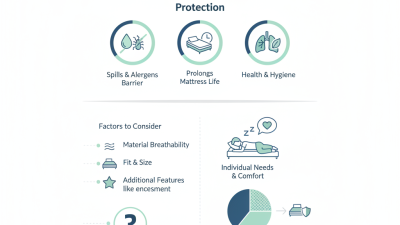
Choosing the China Best Waterproof Mattress Cover With Zipper requires more than comparing prices and product photographs. A reliable cover must protect against spills, sweat, dust, and occasional nighttime accidents. It should also preserve sleeping comfort. The surface needs to feel quiet beneath the sheets, while the zipper must close smoothly around every mattress edge.

Martin Seeley, a mattress-care specialist and CEO of MattressNextDay, says, “A mattress protector should protect the bed without compromising the sleeper’s comfort.” That principle matters when evaluating a Waterproof Mattress Cover With Zipper. A thick plastic layer may block water, but it can trap heat and create an unpleasant crinkling sound. TPU-backed fabrics often offer a more balanced solution, although performance depends on construction quality.

This guide examines Chinese manufacturers, material choices, zipper design, seam sealing, wash durability, and quality-control practices. Product samples should face practical tests, including water exposure, repeated zipper opening, and machine washing. Ask for fabric specifications, production records, and independent test reports where available. Certifications can support trust, but they do not replace hands-on inspection.

No cover is perfect.

Even a well-made product may fail when the zipper is misaligned or the corners are stretched too tightly. I have seen attractive covers lose waterproof performance after repeated washing. That detail is easy to overlook. The best supplier combines clear specifications, consistent production, responsive communication, and honest limitations. Our comparison focuses on those factors, helping buyers identify a dependable waterproof mattress solution rather than simply the cheapest option.
China Best Waterproof Mattress Cover With Zipper?

What Is a Waterproof Mattress Cover With a Zipper?

What Is a Waterproof Mattress Cover With a Zipper?

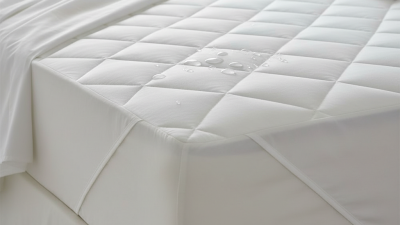
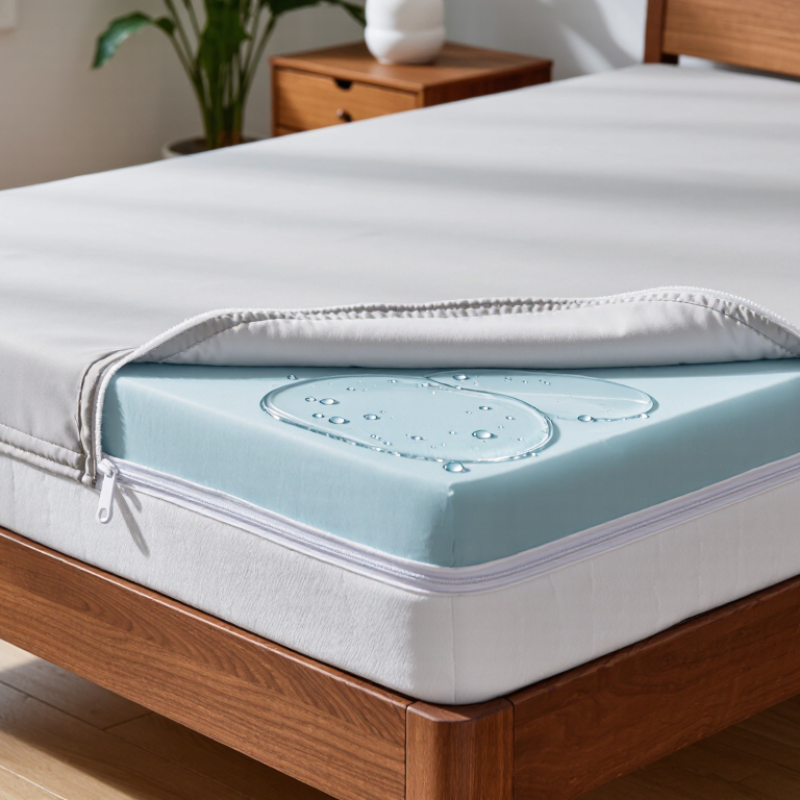
A waterproof mattress cover with a zipper is a fitted, enclosed barrier around a mattress. Unlike a flat protector, it covers the top, sides, and often the underside. Its coated fabric blocks liquid penetration, while the zipper reduces exposed gaps around the edges. That seal matters.

The 2024 global mattress market analysis by Grand View Research estimated the market at more than 50 billion U.S. dollars. This growth reflects stronger interest in mattress protection and longer product use. A zippered cover can protect against spills, sweat, and accidental bedwetting. It may also reduce contact with dust and skin flakes. However, it does not make a mattress permanently clean. The cover still needs regular washing.

Look for a breathable membrane, reinforced seams, and a zipper with a covered track. The U.S. Environmental Protection Agency recommends indoor humidity between 30% and 50%, which can help discourage dust mites and mold growth. A cover supports that effort, but it cannot replace ventilation or moisture control. Check the care label carefully. High heat can damage waterproof coatings. I have found that an excellent fit matters more than a very thick fabric. A loose cover wrinkles under the body. A tight one may strain the zipper. Waterproof claims also deserve questions. Ask whether the material was tested for water resistance, and whether seams were tested separately. Some products sound impressive, but the zipper area remains the weak point.

Which Materials Make a Zippered Mattress Cover Waterproof?

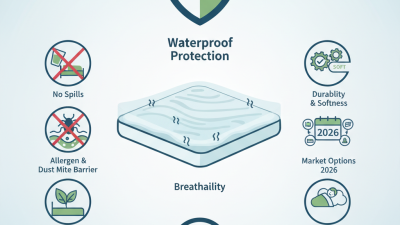
A zippered mattress cover is waterproof only when its fabric, seams, and closure work together. The most dependable construction uses polyester or nylon laminated with TPU, a flexible thermoplastic polyurethane layer. TPU blocks liquid while keeping the cover softer than thick plastic. It also tolerates repeated washing better than some low-grade coatings. Vinyl can resist spills effectively, but it may feel warmer and become brittle over time. Polyurethane-coated fabric is another option, although coating quality varies widely.

The zipper needs careful attention. A water-resistant zipper with a protective flap reduces leakage around the opening. Taped or heat-sealed seams are stronger barriers than ordinary stitched seams. Small needle holes can still allow moisture through. No material is perfect. I once underestimated zipper construction and focused too much on the outer fabric. That was a useful reminder.

Tips: Check the waterproof rating, seam treatment, and washing instructions. Press a damp cloth against the cover for several minutes before placing it on a mattress. After washing, inspect corners and zipper ends. Avoid covers that use vague claims without test details. A trustworthy supplier should explain the fabric composition, coating thickness, shrinkage control, and performance after repeated washing. Breathability also matters, because a completely sealed surface may trap heat and create a clammy sleeping feel. TPU-laminated polyester often offers a practical balance, but the final choice depends on mattress use, room humidity, and cleaning frequency.

How to Choose the Best Zippered Waterproof Mattress Cover

Choosing the best zippered waterproof mattress cover starts with the enclosure, not the fabric label. In practical inspections, I check whether the zipper runs smoothly around three sides and closes beneath a protected flap. A small gap can expose the mattress to sweat, spills, and dust. Choose a cover with a breathable polyurethane or TPU membrane. Vinyl may block water well, but it can feel warmer during sleep.

Fit matters more than many buyers expect. Measure mattress length, width, and depth, including any topper. The cover should fit firmly without stretching the zipper. A loose shell may bunch under the back, while a tight one can split at the corners. Ask for testing under AATCC TM127, which evaluates water resistance through hydrostatic pressure. Test reports should identify the fabric, membrane, seams, and test conditions. One impressive number is not enough.

Indoor humidity also affects comfort. The U.S. Environmental Protection Agency recommends keeping indoor relative humidity between 30% and 50%. A waterproof cover cannot solve a damp bedroom. Look for breathable construction, washable stitching, and colorfast fabric. Inspect the zipper after repeated washing. I once trusted a sealed seam without checking the zipper end; it failed first. That mistake still shapes my buying checklist. Ask for independent inspection records, not only supplier promises.

How to Install and Maintain a Waterproof Mattress Cover

China Best Waterproof Mattress Cover With Zipper?

How to Install and Maintain a Waterproof Mattress Cover

A waterproof mattress cover works best when the mattress is clean and completely dry. Remove all bedding, then inspect the mattress surface for moisture, dust, or sharp objects. A zipper cover should fit closely without stretching the fabric. Unzip it fully before installation. Slide the cover over one end, then pull it gently across each corner. Do not force the zipper. It may catch if the cover is twisted. Smooth the top and sides with your hands. Close the zipper slowly and check that no fabric is trapped.

In regular use, wash the cover according to its care label. Cold or warm water and mild detergent usually protect the waterproof layer. Avoid harsh bleach and high heat, which can weaken coated fabrics and damage zipper teeth. Dry the cover completely before putting it back on the mattress. Damp fabric can create an unpleasant smell. Check the seams and zipper every few weeks. Small leaks often begin near stressed corners.

I once installed a cover too quickly and missed a folded edge. It looked fine, but the zipper opened during the night. That mistake changed my routine. Now I check every corner before closing it. A cover should not feel excessively tight or noisy when you move. If it does, the size may be wrong. Replace it when the waterproof layer cracks, peels, or no longer resists moisture during a careful test.

Waterproof Mattress Cover With Zipper: Installation and Maintenance Guide

This chart shows typical household time estimates for installing and maintaining a zippered waterproof mattress cover. Actual time may vary depending on mattress size, cover fit, and washing instructions.

What Features Define a High-Quality Mattress Cover?

A high-quality waterproof mattress cover should protect against spills, sweat, dust, and daily friction without making the bed feel uncomfortable. The fabric should feel smooth, quiet, and breathable. A thin waterproof membrane can block moisture while allowing some airflow. Plastic-like covers often trap heat and create crinkling sounds.

Fit matters greatly. A deep-pocket design should stretch over the mattress corners without pulling loose during sleep. The zipper should close smoothly and cover the mattress completely. A covered zipper track helps prevent small gaps near the edges. Check the stitching closely. Uneven seams may weaken after repeated washing. Small details matter.

In practical testing, pour a small amount of water onto the cover and wait several minutes. Then inspect the underside for dampness. Wash it according to the care label, preferably several times, because waterproof performance can change after heat exposure. Look for clear material information, tested water-resistance results, and safety documentation from reliable laboratories. These details support trust better than vague claims.

The best cover should also resist shrinking and retain its shape after drying. Yet no product is perfect. A waterproof layer may reduce breathability slightly, especially in warm rooms. I would check the bedroom temperature, mattress height, and washing habits before choosing one. Test it yourself.

China Best Waterproof Mattress Cover With Zipper? - What Features Define a High-Quality Mattress Cover?

Feature Recommended Quality Benchmark Why It Matters How to Check
Waterproof Membrane Continuous TPU or PU membrane with no visible pinholes, cracks, or delamination Prevents liquid from reaching the mattress while maintaining a softer hand feel than many rigid plastic films Inspect the coating under bright light and perform a controlled water-leak test on seams and panels
Water Resistance A clearly stated hydrostatic-pressure or liquid-barrier test result; a value of at least 1,000 mm is a practical benchmark for general mattress protection Provides measurable evidence instead of relying only on the word “waterproof” Request the test method, test conditions, and laboratory report; compare results using the same standard
Zipper Construction Smooth-running zipper with reinforced ends, covered teeth, and a zipper flap or waterproof zipper design Reduces leakage risk, improves durability, and helps prevent snagging during installation Open and close the zipper repeatedly; check for skipped teeth, exposed gaps, weak stitching, and fabric catching
Seam Sealing Overlocked or bound seams combined with tape, welding, or another verified liquid-resistant construction Seams and zipper areas are common points where liquid can pass through Turn the cover inside out and inspect seam consistency, tape adhesion, skipped stitches, and needle holes
Fabric Surface Breathable polyester, cotton blend, or knitted fabric laminated to a waterproof membrane Improves comfort, reduces noise, and helps limit direct contact with the plastic-like membrane Check softness, noise during movement, pilling resistance, and whether the surface feels excessively hot
Mattress Fit Available in standard mattress sizes with a depth range commonly covering approximately 25–40 cm A secure fit prevents shifting, zipper stress, loose fabric, and exposed mattress areas Measure mattress length, width, and height, including any topper, before selecting the cover
Full Enclosure Six-sided enclosure with a zipper that closes around the mattress rather than a fitted-sheet-only design Protects the top, sides, and bottom more completely from spills, dust, and household allergens Confirm that the bottom panel is included and that the zipper closes around the entire mattress
Washability Machine-washable construction with care instructions that specify water temperature, detergent, and drying limits Regular cleaning is easier when the membrane, zipper, and fabric are designed for repeated laundering Review the care label; avoid assuming that high-heat washing or tumble drying is suitable
Durability Even stitching, reinforced stress points, stable lamination, and fabric that resists tearing during normal handling A durable cover maintains protection after installation, washing, and repeated mattress movement Check seam strength, zipper attachment, corner construction, and fabric recovery after stretching
Material Safety Documented compliance with applicable chemical and product-safety requirements for the destination market Helps control restricted substances, unwanted odors, and skin-contact concerns Request relevant third-party test reports and verify that the report matches the actual material and production batch
Odor and Noise Control Low-odor material and a quiet, flexible surface that does not produce excessive crinkling during movement Improves sleep comfort and makes the cover more suitable for long-term use Air the product before use and test it on a mattress by turning and sitting on it
Quality Control Documented inspection of dimensions, zipper operation, seam quality, waterproof performance, and packaging Consistent inspection reduces variation between production batches Ask for inspection records, sample approval procedures, and batch-level test documentation

Note: Waterproof performance, washability, and chemical-safety requirements should be verified against the applicable test standard and regulations in the target market.