What is TPU Laminated Fabric and How is it Used?
In the fast-evolving world of textiles, TPU Laminated Fabric stands out for its versatility and durability. Renowned industry expert Dr. Emily Chen states, “TPU Laminated Fabric is revolutionizing how we think about protective and breathable materials.” This innovative fabric is engineered with thermoplastic polyurethane, creating a waterproof and breathable barrier.
TPU Laminated Fabric finds applications across various industries, from outdoor gear to healthcare. Its unique properties allow manufacturers to produce lightweight and flexible materials. The increasing demand reflects a shift towards sustainable and functional textiles. Despite its advantages, balancing moisture management and waterproofing remains a challenge.
As the market grows, understanding TPU Laminated Fabric's characteristics becomes crucial. Each application requires careful consideration of its properties. While it offers many benefits, this fabric is not without limitations. A deeper exploration of its capabilities and drawbacks is essential for innovation in this space.
What is TPU Laminated Fabric?
TPU laminated fabric is a versatile material made from thermoplastic polyurethane. This innovative fabric combines the benefits of flexibility, durability, and waterproofing. Each layer contributes unique properties that enhance its usability. The TPU coating provides resistance against abrasion and punctures, making it ideal for various applications.
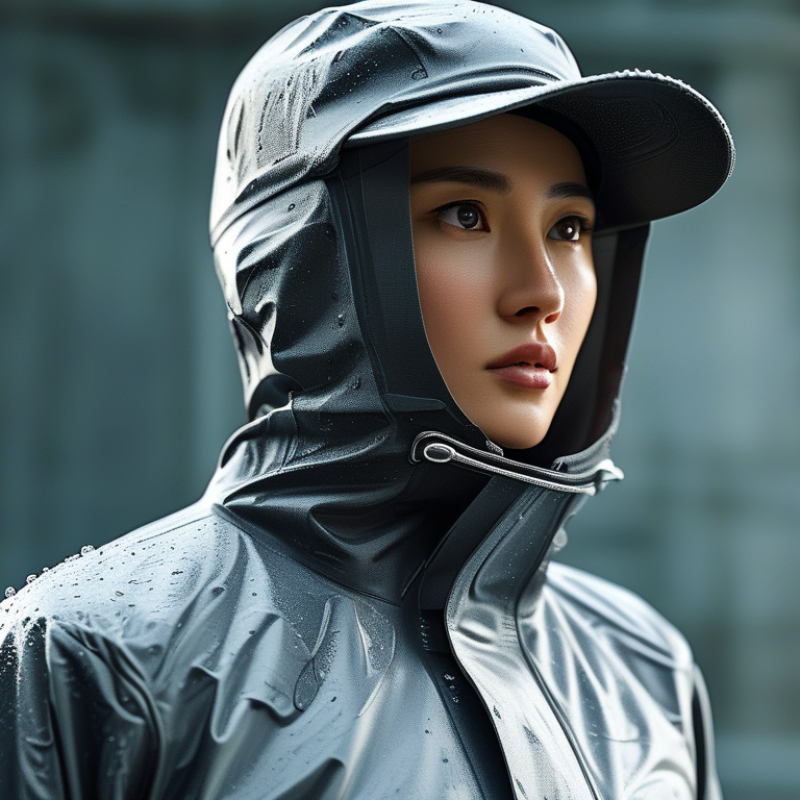
Commonly used in outdoor gear, TPU laminated fabric offers excellent weather protection. It is often found in tents, backpacks, and rain jackets. The lightweight nature of the fabric makes it easy to carry without sacrificing strength. Some manufacturers highlight its eco-friendliness, as TPU can be more sustainable compared to PVC. However, not all TPU products are created equal. Quality may vary between producers, affecting performance and durability.
While TPU laminated fabric is prolific, it can have limitations. Some users might find it less breathable than other materials, causing discomfort in humid conditions. Additionally, the manufacturing process requires careful control to avoid defects. It's crucial to choose wisely based on intended use. Awareness of these factors can lead to better purchasing decisions and satisfactory performance.
The Composition and Properties of TPU Laminated Fabric
TPU laminated fabric is an innovative material that combines thermoplastic polyurethane (TPU) with various textiles. This fabric is known for its excellent durability and versatility. It is lightweight, water-resistant, and breathable, making it ideal for a range of applications. Reports indicate that the global TPU market is projected to grow substantially, reaching approximately $4 billion by 2025. This growth reflects the increasing demand for high-performance fabrics in sectors like outdoor gear and industrial applications.
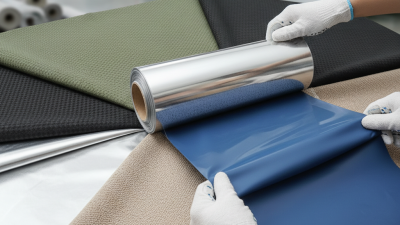
The composition of TPU laminated fabric typically includes a TPU layer bonded to a fabric substrate, such as polyester or nylon. This bonding process enhances the mechanical properties of the fabric, providing it with tear resistance and flexibility. The impact of these properties can be seen in outdoor clothing and gear, where performance is crucial. However, the manufacturing process can sometimes lead to inconsistencies in product quality. Studies show that uneven thickness in the TPU layer can affect durability, highlighting the need for quality control.
Additionally, TPU is known for being environmentally friendly compared to other synthetic materials. It is free from harmful chemicals like phthalates and is recyclable, which is becoming increasingly important for consumers. Yet, the challenges in achieving a balance between performance and sustainability remain a topic for ongoing research. Some companies struggle to meet this growing demand while maintaining ethical practices.
What is TPU Laminated Fabric and How is it Used? - The Composition and Properties of TPU Laminated Fabric
| Property |
Description |
| Material Composition |
Made from thermoplastic polyurethane (TPU) laminated onto fabric for enhanced durability and flexibility. |
| Water Resistance |
Offers excellent water resistance, making it ideal for outdoor gear and waterproof applications. |
| Breathability |
Allows for moisture vapor transmission, providing breathability while remaining waterproof. |
| Durability |
Highly durable, resistant to abrasions, and maintains integrity under extreme conditions. |
| Application Areas |
Used in apparel, outdoor equipment, geotextiles, and protective clothing. |
| Environmental Impact |
TPU is considered to be more environmentally friendly compared to traditional plastics. |
| Care Instructions |
Can typically be machine washed; however, care should be taken to follow specific product guidelines for longevity. |
Applications of TPU Laminated Fabric in Various Industries
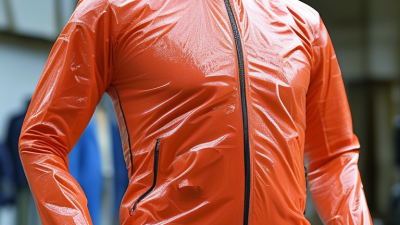
TPU laminated fabric has become a versatile material in various industries. Its durability and waterproof characteristics make it ideal for outdoor gear. Wearing waterproof jackets or using raincoats made of this fabric keeps users dry and comfortable during adverse weather.
In the medical field, TPU laminated fabric is used for protective garments. The fabric can be easily sterilized, which is vital for hospital settings. Moreover, its flexibility allows it to be shaped into various forms, catering to different medical applications. These properties highlight its importance in ensuring safety and hygiene in healthcare.
The automotive industry also benefits from TPU laminated fabric. It is often used in car coverings and interior upholstery. The fabric's resistance to wear and tear makes it suitable for high-traffic areas. However, there are challenges too. Not all TPU fabrics adhere well during the manufacturing process, leading to inconsistencies. This requires careful selection and testing to ensure reliability and performance across different applications.
Applications of TPU Laminated Fabric Across Various Industries
Advantages of Using TPU Laminated Fabric
TPU laminated fabric has gained popularity in various industries due to its unique set of advantages. One of the primary benefits is its excellent durability. The fabric withstands wear and tear, making it ideal for outdoor gear. It offers a degree of water resistance as well, which is beneficial for products exposed to moisture. However, it’s essential to note that this water resistance varies based on the laminating process.
Another significant advantage is its environmental friendliness. TPU materials are often free from harmful chemicals, which can be better for both users and the environment. This quality has made TPU laminated fabric a preferred choice for eco-conscious brands. Additionally, the fabric is flexible yet strong, which allows for a variety of applications, including bags and outdoor apparel. Users should consider that flexibility might cause wear in high-stress areas over time.
Finally, TPU laminated fabric is lightweight. This characteristic is crucial for products like outdoor equipment where weight can impact usability. Yet, it can be less breathable compared to other materials. Balancing breathability and durability is key. Users often reflect on their specific needs when choosing TPU.
Care and Maintenance of TPU Laminated Fabric Products
TPU laminated fabric is a versatile material known for its durability and water resistance. However, proper care and maintenance are essential to extend the lifespan of products made with this fabric.
Regular cleaning is crucial. It is recommended to use mild soap and lukewarm water, as harsh detergents can damage the TPU coating.
For outdoor gear made from TPU, exposure to UV rays can cause deterioration over time. Limiting direct sunlight can help maintain the fabric’s integrity. When storing these products, keep them in a cool, dry place to prevent mold and mildew growth.
Tip: Avoid folding TPU products tightly. This can create creases that weaken the material. Instead, roll or hang them when possible.
Additionally, consider inspecting for any signs of wear and tear. Small punctures can worsen over time if not addressed. A TPU repair kit can be helpful for quick fixes. Regular maintenance not only enhances durability but also ensures optimal performance in various applications.
Tip: Conduct routine check-ups on your TPU gear. Early detection of any issues can save you time and money in repairs.