How to Choose the Best Plastic Mattress Cover?

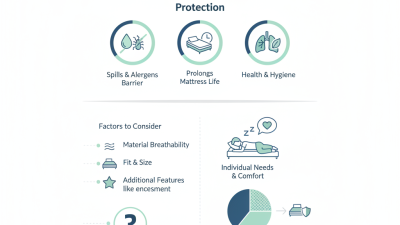
Choosing the right Plastic Mattress Cover involves more than finding the lowest price. Material, thickness, noise, breathability, and fit affect daily comfort. A cover should protect against spills, sweat, dust, and accidental stains. It should also stay quiet when someone turns at night.

Grand View Research valued the global mattress market at approximately $51.2 billion in 2022. Its analysis also projects continued growth through 2030. This expansion reflects rising attention to sleep quality, hygiene, and mattress durability. Meanwhile, Research and Markets’ Mattress Protectors Global Market Report highlights increasing demand for waterproof and protective bedding products. These reports show a commercial trend, but they do not prove that every plastic cover performs equally well.

Dr. Philip Tierno, a microbiologist at New York University, has warned, “The average mattress can have anywhere from 100,000 to 10 million dust mites inside it.” His observation explains why barrier protection matters, especially in humid bedrooms or shared accommodation. Yet protection has limits. A sealed surface may reduce moisture penetration, but poor ventilation can still create uncomfortable heat. Some inexpensive covers also crack, smell strongly, or produce distracting plastic noise.

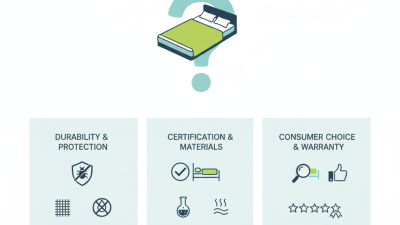
The best choice depends on the sleeper, mattress, and room conditions. Look for a precise elastic fit, tested waterproofing, low-odor materials, and simple cleaning instructions. Check whether the product uses polyethylene, vinyl, polyurethane, or a blended construction. Certifications can help, although labels are not always easy to compare. This guide examines those details carefully, while acknowledging one imperfect truth: no Plastic Mattress Cover solves every bedding problem.
How to Choose the Best Plastic Mattress Cover?

Understanding the Purpose and Types of Plastic Mattress Covers

Plastic mattress covers are not one product. They serve different protective purposes.

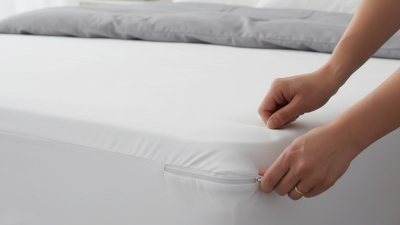
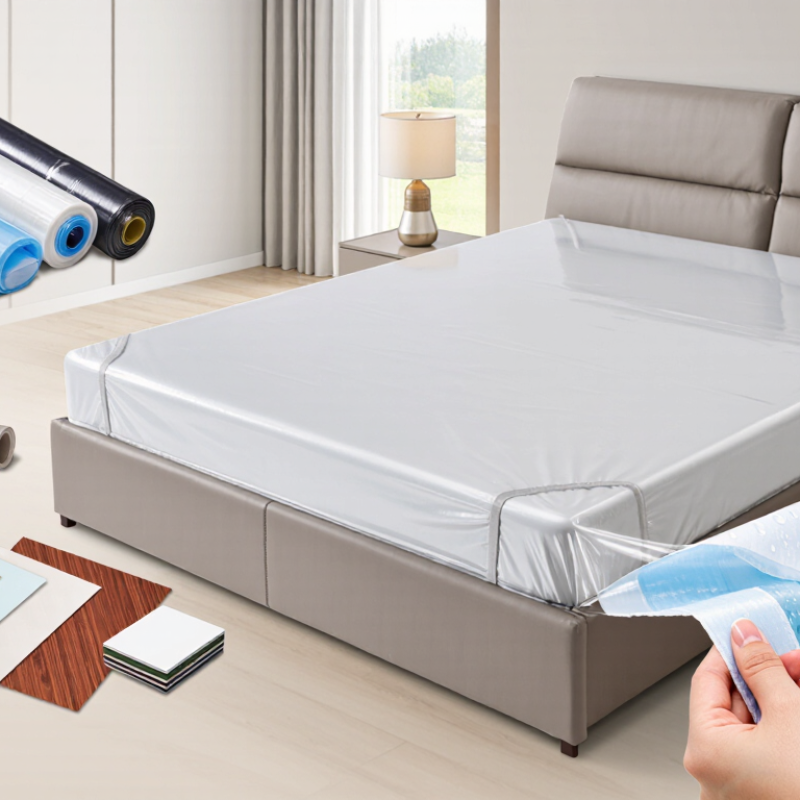
A fitted waterproof protector shields the mattress from sweat, spills, and occasional accidents. A fully zippered encasement surrounds every surface, helping limit exposure to dust, allergens, and bed bugs. Disposable polyethylene covers suit short-term storage or moving, but they often feel noisy and trap heat. Breathable polyurethane-coated fabric usually offers better comfort, although “breathable” does not mean completely cool.

The U.S. Environmental Protection Agency reports that indoor pollutant levels can be two to five times higher than outdoor levels. A cover cannot remove indoor pollution, but it can reduce direct contact with mattress materials. The American Academy of Allergy, Asthma and Immunology recommends mattress encasements for people sensitive to dust mites. Washable covers need regular cleaning. Follow the temperature label.

For bed bug concerns, choose a tightly sealed encasement with a secure zipper. The National Pest Management Association’s 2018 Bugs Without Borders survey found that 97% of surveyed pest professionals had treated bed bugs during the previous year. An encasement may reduce hiding places, but it cannot replace inspection or professional control. It must also fit closely, without gaps.

I once treated “waterproof” as enough. That was a mistake. A plastic film can protect against liquid while creating a warm, uncomfortable sleeping surface. Check zipper quality, seam construction, noise, heat retention, and cleaning instructions before choosing.

Comparing Materials, Sizes, Thicknesses, and Waterproofing Levels

Material choice determines comfort, noise, and durability. A 2024 Grand View Research analysis valued the global mattress protector market at over USD 1 billion. That growth reflects stronger demand for washable, waterproof bedding. Thermoplastic polyurethane, or TPU, usually feels softer and quieter than PVC. Polyethylene is inexpensive, but it can feel crinkly and less breathable. I prefer a fabric-backed TPU cover for regular bedrooms. It handles small spills without creating a plastic-sheet sensation.

Measure the mattress, including its deepest seam and any pillow-top height. A cover that fits 10 inches may split over a 14-inch mattress. Allow at least 2 inches of extra depth. Thickness also needs context. A 0.1-millimeter film may resist light moisture, but it offers limited puncture protection. For children, pets, or frequent washing, look for reinforced seams and a heavier multilayer construction. Ask for hydrostatic-pressure results rather than accepting “waterproof” as a marketing promise. ASTM water-resistance methods can support comparison, although laboratory performance will not perfectly reproduce a leaking bottle or a restless sleeper.

The Sleep Products Association’s 2023 bedding research reported that consumers increasingly value protection and easy care. That does not mean maximum thickness is always best. Thicker layers can trap heat and reduce mattress flexibility. Check washing temperatures, zipper coverage, and drying instructions carefully. I once underestimated zipper quality; one broken tooth made the entire cover useless. Independent testing for liquid barriers and harmful chemical emissions adds credibility, but certificates should match the actual product, not merely its packaging.

Checking Breathability, Safety, Durability, and Cleaning Requirements

How to Choose the Best Plastic Mattress Cover?

Breathability is easy to misunderstand. Plastic can block airflow and hold warmth against the body. During a hands-on check, I look for a waterproof layer with a softer, air-permeable surface. Some covers use microscopic pores or breathable fabric backing. These features reduce clamminess, but they cannot make plastic feel like cotton. A quiet cover also matters, especially when turning at night.

Safety deserves careful attention. Choose materials with clear composition details and independent testing information. Look for low-odor construction and avoid covers that smell strongly after airing. That smell may fade, but it should not be ignored. Check the care label, stitching, elastic, and zipper for rough edges. A fitted cover should stay secure without compressing the mattress or creating loose folds. For sensitive sleepers, a thin washable sheet over the cover can improve comfort.

Durability depends on more than thickness. I once assumed a heavier cover would last longer, but weak seams proved otherwise. Examine sealed edges, corner strength, and zipper movement. A sample should resist stretching when pulled gently. Cleaning requirements can decide whether the cover remains useful. Confirm machine-wash instructions, water temperature, drying limits, and bleach restrictions. Wipe-clean covers are convenient, yet they may retain odors if moisture reaches the seams. After washing, dry the cover completely before remaking the bed. Small care mistakes matter.

Matching the Cover to Your Mattress, Lifestyle, and Sleeping Environment

Choosing a plastic mattress cover starts with the mattress, not the product photo. Measure its length, width, and depth, including any topper. A tight cover can pull at the corners and make sleeping uncomfortable. A loose one may wrinkle beneath your hips. For memory foam, choose a cover with gentle stretch and quiet fabric. Spring mattresses may need stronger side panels. I learned this after using a shallow cover on a thick mattress; it slipped overnight. Small details matter.

Your lifestyle should guide the protection level. If children or pets share the room, select a waterproof cover with sealed seams and a secure closure. For allergy concerns, a tightly woven surface may help reduce dust exposure, though it cannot replace regular cleaning. Hot sleepers need breathable construction and less direct plastic contact. In a humid bedroom, check the drying instructions carefully. A damp cover can develop an unpleasant smell. In dry climates, static and crinkling may become more noticeable. No cover solves every problem.

Tips: Test the cover on a clean mattress and lie down for ten minutes. Listen for noise when turning. Check whether the corners stay anchored. Wash it according to the care label, then dry it completely before reuse. Inspect the seams every few months, especially after frequent washing. Replace it when the waterproof layer cracks, feels sticky, or loses its fit. I would also question “universal” sizing; convenient claims can hide poor compatibility.

How to Choose the Best Plastic Mattress Cover?

Match the cover to your mattress, lifestyle, and sleeping environment. The chart shows the relative importance of key cover features for common sleeping situations, using a 1–5 priority scale.

How to read the chart: Choose higher waterproofing for children, pets, or frequent spills; prioritize breathability in hot or humid rooms; select quiet materials for light sleepers; and look for easy-clean surfaces when hygiene and maintenance are major concerns.

Evaluating Fit, Features, Cost, and Overall Product Value

Choosing a plastic mattress cover starts with fit, not price.

Measure the mattress length, width, and depth, including any topper. A loose cover can wrinkle under your hips. A tight one may strain the zipper.

The U.S. Consumer Product Safety Commission advises checking product dimensions carefully, especially around bedding and children. I once chose a cover by mattress length alone. It failed at the corners.

Features should match the room and the sleeper.

Look for a waterproof barrier, quiet fabric backing, reinforced seams, and a zipper that closes completely. Breathability still matters.

The U.S. Environmental Protection Agency reports that indoor pollutant levels can be two to five times higher than outdoor levels.

A washable cover can reduce contact with spills, dust, and skin flakes. However, it cannot replace regular cleaning or ventilation.

ASTM D882 tensile testing can help compare plastic-film strength, while standardized wash testing reveals whether protection declines after repeated laundering.

Tips:

Compare total ownership cost. Include the cover, washing, replacement, and possible mattress damage.

A 2024 market analysis from Grand View Research identified growing demand for mattress-protection products, but market growth does not prove quality. Check independent test evidence instead.

Avoid strong plastic odors. Inspect the zipper after ten uses. Choose a product with clear material information and care instructions.

The cheapest option may be false economy. I would also question “breathable” claims unless the seller explains the testing method.