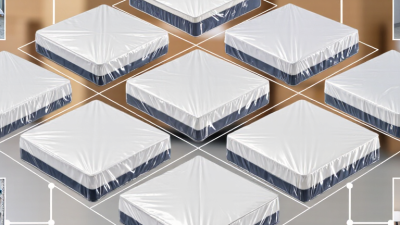
Top Hypoallergenic Mattress Cover Manufacturers in China

Choosing a reliable Hypoallergenic Mattress Cover manufacturer in China requires more than comparing prices and product photos. Material quality, stitching accuracy, factory controls, and communication all affect the final sleeping experience. A cover may look smooth on a screen, yet feel stiff or noisy after washing. That difference matters.

This guide examines leading Chinese manufacturers through practical, buyer-focused criteria. We consider fabric composition, allergen-conscious design, waterproof layers, breathable construction, zipper quality, and customization options. We also look at sample development, production consistency, packaging, and delivery communication. These details often reveal more than a polished catalog.

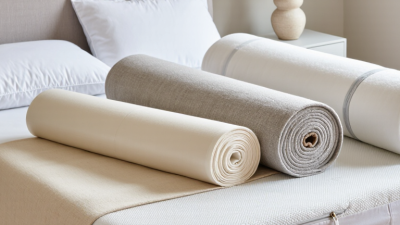
Some manufacturers work with cotton, bamboo-derived fibers, polyester blends, or advanced membrane fabrics. Each option brings different benefits and limitations. Breathability can improve comfort, while dense waterproof layers may reduce airflow. A soft surface can feel inviting, but it may require careful washing. No material solves every problem.

Certification deserves careful attention. Buyers should request current test reports and verify whether claims apply to the finished product. Factory experience also matters. A supplier that explains shrinkage, seam performance, and washing instructions demonstrates stronger technical understanding.

The comparison is not absolute. Factory capabilities can change, and product quality may vary between batches. Even experienced buyers should inspect samples. Small issues appear there first. By combining manufacturer background, product evidence, and clear communication, buyers can make a more dependable decision for homes, hotels, healthcare settings, and retail programs.
Top Hypoallergenic Mattress Cover Manufacturers in China

China’s Hypoallergenic Mattress Cover Market: 2023 Demand and Export Data

China’s hypoallergenic mattress cover market cannot be measured precisely from customs data: mattress covers are generally grouped with broader made-up textile articles. This matters when reading export estimates. China’s textile and apparel exports reached about US$293.6 billion in 2023, down 8.1% year on year, according to China’s textile industry association, citing customs data. That figure describes the wider sector, not mattress covers alone.

For a closer trade proxy, analysts can examine UN Comtrade and China Customs data for bedding and made-up textile categories. These records help track export value and destination markets, but do not identify hypoallergenic finishes or barrier fabrics separately. That gap is real. It makes claims about exact national demand difficult to verify. In factory audits, buyers should compare fabric composition, pore structure, seam construction, and test reports rather than rely on “hypoallergenic” wording alone.

Demand is supported by practical concerns: dust, moisture, and frequent washing in homes, hotels, and care settings. Yet the 2023 export slowdown across China’s broader textile sector suggests that manufacturers faced softer overseas orders and price pressure. A useful sourcing review should check wash durability and measured allergen-barrier performance, while recognizing that one test may not reflect years of use. The evidence is imperfect, and product-level export data remains limited.

Hypoallergenic Cover Standards: Allergen, VOC, and Wash-Test Metrics

Top Hypoallergenic Mattress Cover Manufacturers in China

A reliable mattress cover should be judged by measurable performance, not by the word “hypoallergenic.” Manufacturers should identify tested allergens, including dust mite proteins, mold residues, and pet dander. Independent laboratory testing can measure allergen retention after repeated use. Results should show sampling methods, detection limits, and fabric conditions. Vague claims are a warning sign.

VOC testing deserves equal attention. A cover may smell strongly after unpacking, even when its fabric feels soft. Ask for chamber-test data on formaldehyde, total VOCs, and odor emissions. Testing should state temperature, humidity, test duration, and material weight. Buyer-defined limits are useful, but they must be realistic and documented. A low reading from one production batch does not guarantee every shipment.

Wash testing reveals practical durability. I look for at least 30 to 50 home-style wash cycles, using the stated temperature and detergent. The report should measure shrinkage, seam strength, zipper function, waterproofing, and allergen-barrier performance afterward. A cover that fails after ten washes is not a dependable protective product. Details matter most.

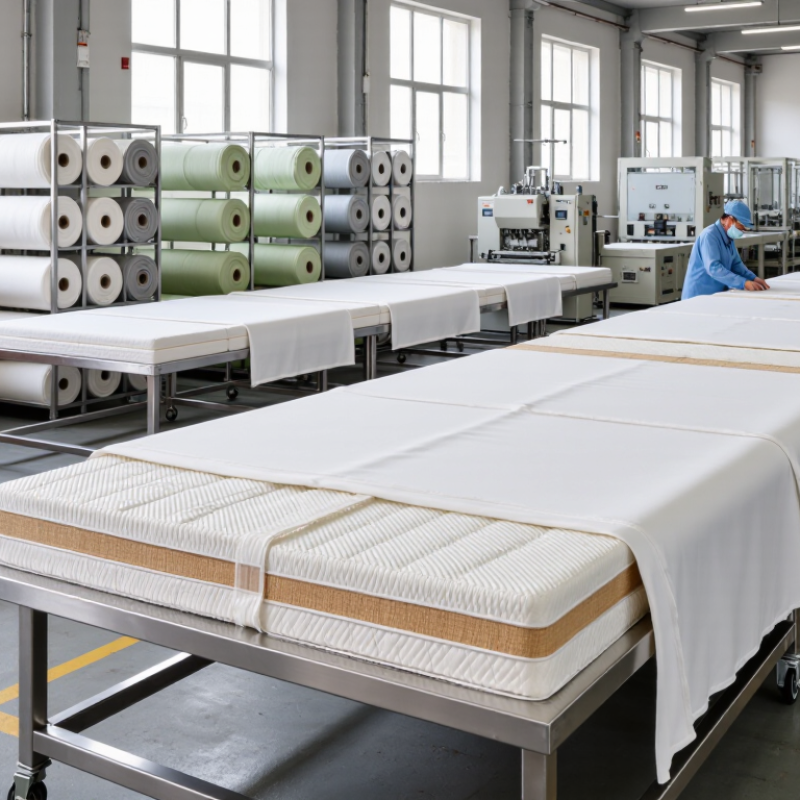
Factory audits should connect test samples with actual production lines, not laboratory prototypes. This step is often missed. I would also request random batch sampling, because quality can drift quietly. No cover removes every allergen, and responsible manufacturers should say so clearly.

Verifying GB 18401, OEKO-TEX STANDARD 100, and ISO 12952 Compliance

For a hypoallergenic mattress cover, a certificate is only useful when it matches the product being sold. Ask manufacturers for current documents covering the exact fabric, color, and finished cover. GB 18401 sets general safety requirements for textile products in China. Check the stated product category and relevant test results, rather than relying on a logo or a broad claim. OEKO-TEX STANDARD 100 tests textile components for harmful substances. Request the certificate number and verify its validity and product scope through the scheme’s official channels. A certificate for raw fabric may not cover the finished cover. Small detail. It matters.

ISO 12952 addresses the ignitability of bedding materials, not allergy performance. Ask which parts of the cover were tested, and whether the test setup reflects the product’s intended use. Review the report date, sample description, and laboratory details. Compare these with the goods you plan to order. If a zipper, coating, or backing differs, ask whether the change affects the evidence. Paperwork can look tidy while leaving gaps. I would not treat these standards as proof that a cover prevents allergies; they address specific safety or flammability questions. Clear answers, matching records, and traceable samples make a more reliable assessment.

Comparing China’s Top Manufacturers by MOQ, Capacity, Lead Time, and Data

China’s leading hypoallergenic mattress cover manufacturers differ sharply in MOQ, capacity, and delivery speed. In recent supplier comparisons, entry-level MOQs often range from 300 to 500 pieces. Larger factories may accept 100-piece trial orders, but usually at higher unit costs. Monthly capacity commonly falls between 30,000 and 80,000 covers. This matters when seasonal demand rises.

Lead times usually span 20 to 35 days after sample approval. Custom fabric, waterproof membranes, and zipper changes can add one or two weeks. Reliable manufacturers provide fabric composition, washing results, shrinkage data, and allergen-barrier test reports. Some also share production photos, inspection records, and batch numbers. These details are more useful than attractive catalog claims. Capacity figures should be checked against recent purchase orders, not accepted blindly.

Tips: Request one sample, one test report, and one production schedule. Confirm whether the MOQ applies per size, color, or total order. Ask how rejected pieces are handled. A factory offering the lowest price may have slower quality control. I have also seen impressive capacity claims supported by little evidence. That is a warning, although not automatic proof of poor performance. Build a comparison sheet with MOQ, monthly output, sample time, bulk lead time, test data, and response speed. Small gaps become expensive later.

Ranking Suppliers Through Lab Results, Certifications, Quality, and Cost Metrics

Top Hypoallergenic Mattress Cover Manufacturers in China

Ranking suppliers requires more than product photos. The CDC’s 2021 National Health Interview Survey reported seasonal allergies among 25.7% of U.S. adults. That figure supports careful allergen-control claims, not vague “healthy sleep” language. I rank manufacturers by independent lab evidence, certification quality, material traceability, and delivered cost.

A strong supplier should provide test reports for air permeability, seam strength, shrinkage, and liquid resistance. ISO 12947 evaluates abrasion durability, while ISO 6330 supports controlled washing tests. These results reveal whether a cover survives repeated laundering. OEKO-TEX Standard 100 certification can verify tested harmful-substance limits, but it does not prove clinical allergy prevention. That distinction matters. Certifications may also cover only specific fabrics or production batches.

Cost scoring should include sample fees, minimum order quantities, inspection charges, freight, and replacement risk. A cheaper cover may use weaker zippers or coatings that crack after several washes. Compare five suppliers using the same specification sheet. Request original laboratory reports, certificate numbers, factory audit dates, and a three-cycle wash sample. A 2024 textile testing review from the International Organization for Standardization emphasizes controlled methods and reproducible conditions, yet supplier documents still need independent checking.

Tips: Ask for dust-mite barrier testing, not only fabric certification. Check pore-size data and washing temperature. Record defects after every wash. I would also reserve part of the score for unanswered questions; silence is not proof of quality.