Top Quality Mattress Protector Fabric By The Metre for Global Buyers?
When it comes to high-quality sleep, the role of the "Mattress Protector Fabric By the Metre" cannot be underestimated. Experts in the textile industry emphasize its importance. Sarah Thompson, a renowned textile specialist, noted, "The right fabric can transform your sleeping experience." This highlights the significant impact of selecting quality materials for mattress protection.
Choosing the right fabric involves considering durability and comfort. Mattress protector fabric should not only repel moisture but also enhance breathability. Flaws in fabric selection can affect sleep quality. Buyers often overlook these critical aspects, leading to dissatisfaction in their choices. The industry has seen a rise in demand for customizable options, allowing for unique preferences.
A focus on texture, color, and functionality is necessary. However, potential buyers should remain cautious. Not every fabric marketed as "premium" meets the standards. Trusting the insights from industry professionals can guide decision-making. Engaging with experts can help consumers avoid common pitfalls while seeking the best mattress protector fabric by the metre.
Understanding Mattress Protector Fabrics and Their Importance
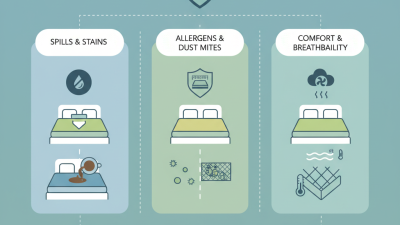
Mattress protectors play a crucial role in maintaining hygiene and extending the life of mattresses. In fact, a survey by the International Sleep Products Association revealed that 75% of consumers consider protection essential. These fabrics act as barriers against allergens, dust mites, and spills. Many people underestimate their importance, assuming that regular cleaning is sufficient.
Understanding the fabric types is key. Common materials include polyester, cotton, and vinyl. Each offers distinct benefits, such as breathability or waterproofing. For instance, polyester is durable yet soft. Cotton, on the other hand, is breathable but can absorb moisture easily. Interestingly, a report by Research and Markets highlighted that the global mattress protector market is projected to grow by 7.5% annually. This aligns with increased consumer awareness regarding health and sleep quality.
Despite the available options, many buyers select mattress protectors based solely on price, often neglecting quality. This can lead to discomfort and compromised sleep quality. An alarming study indicated that nearly 50% of consumers experience allergens in their bedding. It begs the question: how can one prioritize comfort and health without understanding the product? This gap in knowledge underscores the need for informed choices when selecting mattress protector fabrics.
Key Materials Used in High-Quality Mattress Protectors
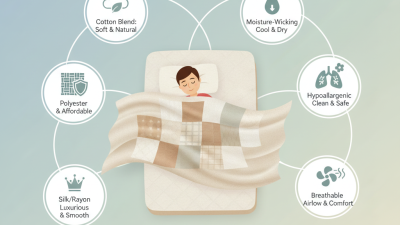
When searching for high-quality mattress protectors, the choice of fabric is crucial. Various materials play a vital role in ensuring comfort and durability. Commonly used fabrics include cotton, polyester, and a blend of both. Cotton is renowned for its breathability and softness. It can wick away moisture effectively, supporting better sleep quality. Polyester, however, offers added resistance to stains and is often more affordable.
Some protectors incorporate waterproof layers. These layers often consist of polyurethane or vinyl. They prevent spills from reaching the mattress, which helps in prolonging its life. However, not all waterproof materials are breathable. This can lead to discomfort, especially in warmer climates.
Choosing the right fabric also involves considering the feel. A protector should complement the mattress rather than detract from it. Many users report that cheap fabrics can cause noise during movement. Over time, this can become a nuisance. It’s essential to balance quality with cost. A high-quality protector can safeguard your mattress and enhance sleep comfort. Yet, one can find imperfections in every fabric. Regular testing is necessary to ensure long-lasting performance.
Top Quality Mattress Protector Fabric By The Metre for Global Buyers? - Key Materials Used in High-Quality Mattress Protectors
| Material Type |
Breathability |
Water Resistance |
Durability |
Hypoallergenic |
| Cotton |
High |
Low |
Moderate |
Yes |
| Polyester |
Moderate |
High |
High |
No |
| Tencel |
Very High |
Moderate |
High |
Yes |
| Vinyl |
Low |
Very High |
High |
No |
| Bamboo |
High |
Moderate |
Moderate |
Yes |
Impact of Mattress Protectors on Sleep Quality and Hygiene
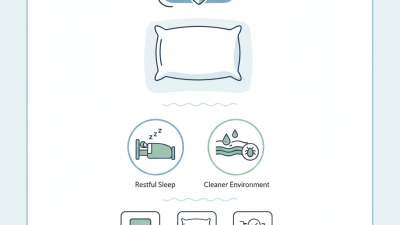
A mattress protector serves more than just a barrier. It actively enhances sleep quality by providing a cleaner environment. Dust mites, allergens, and moisture can seep into your mattress, causing discomfort. The right protector can prevent these unwelcome guests, allowing deeper sleep.
Hygiene is a crucial aspect of a good night’s rest. Accumulation of sweat and skin cells can create an unsanitary mattress. Regular washing of protectors can be a chore, yet it significantly improves cleanliness. This routine helps maintain freshness and extends mattress life.
With so many types of materials available, selecting the right fabric is essential. Some materials may not breathe well, trapping heat. Others might feel uncomfortable against the skin. Personal preference plays a role in this decision. Testing different fabrics can lead to improved sleep quality. Each choice should reflect both comfort and protection, keeping hygiene at the forefront.
Global Market Trends for Mattress Protector Fabrics by the Metre
The global market for mattress protector fabrics is witnessing dynamic trends. Key data suggests this sector is projected to reach a valuation of approximately $1.5 billion by 2026, growing at a CAGR of around 6% from 2021. This growth is driven by increasing awareness regarding hygiene and sustainability. More consumers are seeking high-quality materials, reflecting a shift towards environmentally friendly options.
The demand for high-performance fabrics, such as waterproof and breathable materials, is rising. Industry reports indicate that nearly 70% of consumers prioritize durability and comfort. However, only a minority actively seek these traits when choosing fabrics. This gap indicates an opportunity for manufacturers to educate consumers on the importance of quality mattress protectors. Yet, some businesses struggle to balance cost and quality, leading to inconsistent market offerings.
As the market evolves, it also reflects changing consumer preferences. Many buyers now favor natural fibers, pushing synthetic options to the sidelines. Yet, this shift poses challenges. Not all manufacturers can source eco-friendly materials, leading to potential quality inconsistencies. Therefore, while the market expansion is promising, remaining vigilant about sustainable practices is crucial for future success.
Global Market Trends for Mattress Protector Fabrics by the Metre
Buying Guide: Selecting the Best Mattress Protector for Your Needs
When selecting a mattress protector fabric, consider your specific needs. Breathability is crucial. A well-ventilated protector helps regulate temperature. Look for materials that wick moisture away. This can enhance your sleeping experience.
Waterproof options are essential for durability. If spills or accidents are concerns, invest in a quality waterproof fabric. These protectors shield against stains, prolonging mattress life. Yet, some waterproof fabrics can feel less comfortable. It’s a trade-off to ponder.
Size matters, too. Ensure you choose a protector that fits your mattress perfectly. An ill-fitting protector can bunch up or allow fluids to escape, rendering it ineffective. Remember, even the highest quality material won't perform well if it's the wrong size. Keep these points in mind, and you can find a protector that suits your lifestyle.