Top Waterproof Fabric for Bedding You Need to Know?
In the world of bedding, the choice of materials can significantly impact comfort and hygiene. Expert Anna Thompson, a fabric scientist specializing in sleep products, emphasizes the importance of selecting the right materials. She states, "Quality waterproof fabric for bedding is essential for a restful night’s sleep." This statement highlights the growing recognition of waterproof fabrics.
Waterproof fabric for bedding has evolved to meet the needs of modern consumers. It provides protection against spills and allergens, enhancing overall sleep quality. However, not all waterproof fabrics are created equal. Some might feel stiff or unbreathable, which can detract from comfort. Consumers should weigh their options carefully.
The market offers various choices, from polyurethane-coated fabrics to breathable membranes. While these options have benefits, they also come with considerations regarding durability and feel. A deeper understanding of each type can guide you toward the best choice for your bedding. Remember, the right waterproof fabric for bedding can transform your sleep experience.
Overview of Waterproof Fabrics for Bedding
Waterproof fabrics for bedding have become increasingly important in modern households. With approximately 30% of people experiencing nighttime sweating or accidental spills, these fabrics provide essential protection. The right waterproof material can prolong the life of bedding and enhance comfort.
A variety of waterproof fabrics exist, each with unique features. For instance, polyurethane laminate (PUL) is popular due to its excellent breathability. According to industry reports, PUL layers can retain up to 80% of their breathability while blocking moisture effectively. This balance ensures that while liquids are repelled, air circulation remains intact, a crucial factor for a good night's sleep.
Many consumers underestimate the durability of waterproof fabrics. Some are designed to withstand multiple washes while maintaining their protective qualities. However, not all waterproof fabrics are created equal. Some may lose their effectiveness after several washes. It's essential to consider the care instructions and choose materials that are durable and reliable for everyday use. Awareness of these details can help in making informed decisions for bedding improvements.
Types of Waterproof Fabrics and Their Features
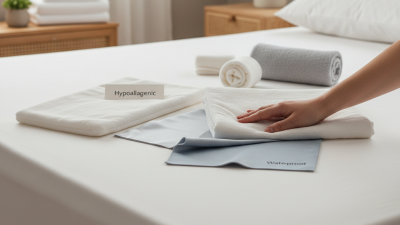
When it comes to waterproof fabrics for bedding, understanding the types available is essential. There are various materials used, each with unique features that cater to different needs. One popular choice is polyurethane laminate (PUL). It offers excellent water resistance while remaining flexible. This fabric is breathable, making it ideal for nighttime comfort.
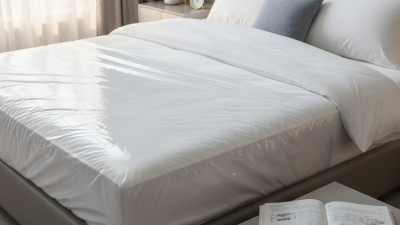
Another common option is vinyl. It is often used for mattress protectors and is highly effective against spills. However, it can be less breathable, which may lead to discomfort during sleep. Cotton with a waterproof coating is also a preferred choice for those seeking natural materials. It provides a soft feel while still protecting against moisture.
Lastly, consider nylon. This durable fabric is lightweight and often used in travel bedding. However, its waterproof capabilities may vary based on the coating. Each option has pros and cons. Choosing the right waterproof fabric can be challenging, but understanding these types helps in making a more informed decision.
Benefits of Using Waterproof Bedding Fabrics
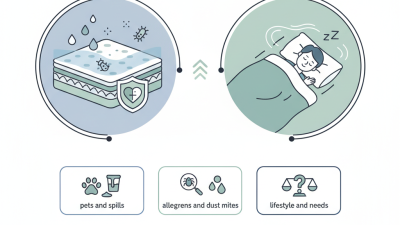
Waterproof bedding fabrics offer a range of benefits that enhance sleep quality. They protect against spills and stains, making them perfect for families with young children or pets. Imagine your peace of mind with a mattress that remains unscathed by accidents. This protective layer adds durability, extending the life of your bedding. You can sleep easier, knowing your investment is safe.
Another advantage is their ability to resist allergens. Waterproof fabrics often serve as barriers against dust mites and mold. This feature is crucial for those with allergies or respiratory issues. Sleeping on clean bedding can lead to better health and improved sleep patterns.
Still, it’s essential to choose wisely. Not all waterproof fabrics are breathable. Some can trap heat, making for an uncomfortable night. Balancing breathability and waterproofing is key. With thoughtful consideration, waterproof bedding can transform your sleep experience.
Care and Maintenance for Waterproof Bedding Materials
Maintaining waterproof bedding requires specific care practices to ensure longevity and effectiveness. Regular cleaning is vital. Most waterproof fabrics can be machine washed on a gentle cycle. Use mild detergents to avoid damaging the waterproof layer. Always check care labels before washing. Stains should be treated promptly, as they can become stubborn if left too long.
When drying waterproof bedding, air drying is often the safest option. High heat from dryers can compromise the fabric’s waterproof properties. If using a dryer, select a low heat setting. However, air-drying may take longer. Ensure the fabric is completely dry before using it again. Storing waterproof bedding in a cool, dry place can prevent mold and mildew growth.
While these methods are effective, it’s easy to overlook cleaning schedules or use the wrong detergents. Small mistakes can lead to diminished performance. Regular inspection of waterproof materials for wear and tear is recommended. This proactive approach helps maintain their effectiveness and appearance. Keeping a consistent care routine can make all the difference.
Top Waterproof Fabric for Bedding
Popular Brands and Products in Waterproof Bedding Options
Waterproof bedding options have gained much attention recently. The demand for such products is driven by the need for hygiene and comfort. Many households are now opting for these solutions. They provide a barrier against spills, moisture, and allergens. A recent study highlighted that about 25% of consumers consider waterproof features essential in bedding.
Various popular brands have developed waterproof fabrics targeting specific needs. These products utilize advanced materials like polyurethane and vinyl, offering breathability while keeping liquids at bay. Additionally, waterproof mattress protectors and pillow covers are common choices. Research indicates that nearly 40% of consumers purchase these items to prolong the life of their bedding. However, it’s crucial to recognize that not all waterproof fabrics are created equal.
Some may retain heat or create discomfort during sleep. Quality varies significantly among options available. Consumers need to investigate and read reviews to make informed choices. Clear information about the product's material and construction can guide better decisions. Reliability and knowledge can help shoppers navigate through the vast market of waterproof bedding.