What is Tpu Fabric and How to Choose the Best Option?
In the world of textiles, the significance of Tpu Fabric is undeniable. This unique material combines flexibility, durability, and waterproof qualities, making it a preferred choice in various industries. Renowned textile expert Dr. Emily Tran emphasizes its versatility, stating, "Tpu Fabric is revolutionizing how we approach functional materials."
Choosing the right Tpu Fabric can be daunting, given the myriad options available. Each type offers distinct features tailored for different applications. Whether it's for athletic wear or protective gear, understanding specific needs is crucial. Users often feel overwhelmed by choices without knowing the critical factors, such as thickness, elasticity, and finish.
Moreover, not every supplier provides the same level of quality. It is vital to seek reliable sources for Tpu Fabric. Feedback from previous customers can provide insights into performance and durability. In this landscape, informed decisions can lead to greater satisfaction and functionality in the end product.
What is TPU Fabric?
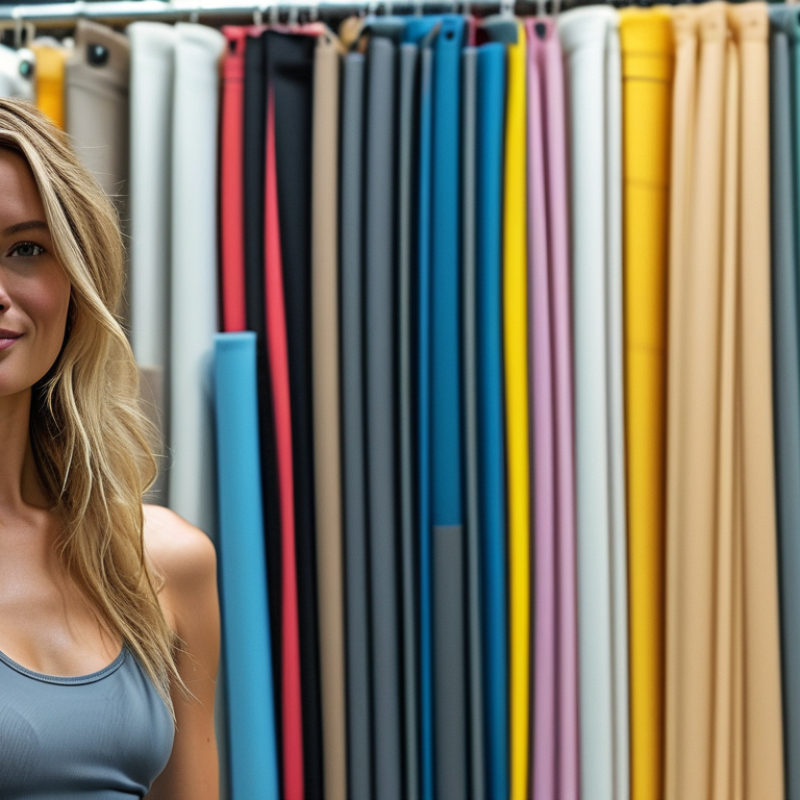
TPU fabric, short for thermoplastic polyurethane fabric, is a versatile material. It combines the flexibility of rubber with the strength of plastic. This unique structure makes TPU fabric highly durable and resistant to abrasions. You will find it commonly used in various industries, including outdoor gear, footwear, and medical devices.
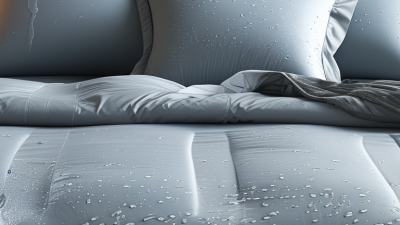
One of the standout features of TPU fabric is its waterproof nature. It provides excellent protection against water, making it ideal for outdoor applications. Additionally, its lightweight characteristics contribute to the overall ease of use in everyday items. The texture can range from smooth to textured, offering a variety of tactile sensations. Selecting the right TPU fabric largely depends on your intended use. Consider factors like weight, thickness, and flexibility.
While TPU offers many advantages, it also has its limitations. For instance, prolonged exposure to ultraviolet light can lead to degradation over time. This aspect is important to consider, especially for outdoor products. Understanding these nuances can help you make an informed choice when selecting TPU fabric for your needs. Reflect on what you truly require from this material to ensure you select the best option.
Key Properties and Advantages of TPU Fabric
TPU fabric, or thermoplastic polyurethane, is quickly gaining popularity in various industries. It is known for its outstanding elasticity and durability. This fabric offers excellent resistance to abrasion, oil, and UV light. According to a recent industry report, the market for TPU materials is expected to grow by 6.5% annually, reflecting heightened demand in sectors like automotive and footwear.
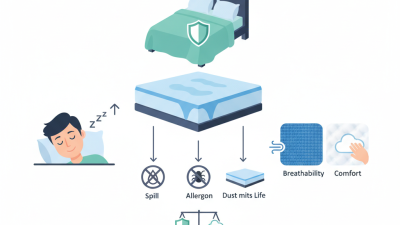
The unique properties of TPU fabric make it an excellent choice for applications that require flexibility and strength. Its waterproof nature is a significant advantage for outdoor gear. The fabric can also be formulated to specific hardness levels, allowing customization for various uses. With its high tensile strength, TPU fabric can withstand significant wear and tear.
When choosing TPU fabric, consider the intended use. For outdoor gear, opt for options that offer UV resistance. In contrast, products used in medical applications may need additional antimicrobial properties.
Check the weight and thickness of the fabric, as they significantly affect durability. Thinner fabrics might be more lightweight but less robust, while thicker options provide better protection. Make sure to assess the specific requirements of your project to select the most suitable TPU fabric.
Comparison of Key Properties of TPU Fabric
Different Applications of TPU Fabric
TPU (Thermoplastic Polyurethane) fabric is gaining popularity across various industries due to its unique properties. The versatility of TPU makes it well-suited for many applications. In the automotive sector, TPU is used for seat covers and interior trims. It offers durability and resistance to wear and tear, which is essential for automotive environments.
In the fashion and outdoor gear industries, TPU fabric is appreciated for its waterproof and breathable characteristics. For example, it is often used in jackets and backpacks, providing both protection and comfort. The global demand for waterproof clothing is projected to reach $4.6 billion by 2025, highlighting the fabric's growing importance in high-performance apparel.
Moreover, TPU’s applications in medical devices illustrate its biocompatibility and flexibility. A study found that TPU accounted for 30% of materials used in medical applications in 2022. These insights show how TPU is not only functional but also vital for innovation in diverse fields. Each application reflects a balance between performance and sustainability, areas where TPU continues to evolve as industries adapt to new challenges and standards.
Factors to Consider When Choosing TPU Fabric
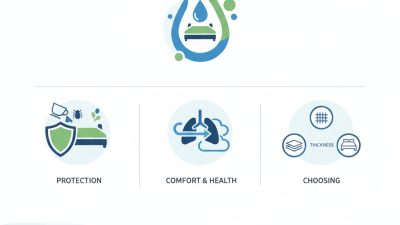
When choosing TPU fabric, several factors must be considered to ensure the best fit for your needs. Firstly, the thickness of the fabric plays a crucial role. Thinner TPU options are more flexible, making them suitable for everyday uses. In contrast, thicker fabrics offer increased durability and resistance to wear. According to industry reports, TPU fabrics with a thickness of at least 0.5mm show significant improvements in tear resistance and longevity.
Color stability is another critical factor. UV resistance is essential for outdoor applications, where prolonged sun exposure can cause fading. Research indicates that TPU materials can maintain color integrity up to 30% longer than traditional fabrics when exposed to UV light. For applications like outdoor gear, choose TPU treated for UV protection to ensure longevity.
Evaluating the intended application will guide your choice. For instance, medical applications might require TPU fabrics that conform to safety standards. This demand for compliance means sourcing credible suppliers is vital. It’s worth reflecting on whether the fabric can meet specific requirements over time. Think about maintenance needs, as some TPU fabrics may require special care to preserve their properties.
To ensure the best choice, consider how often the fabric will be used and the environments it will be exposed to. Pay attention to feedback from others who have used similar fabrics. This insight can prevent costly mistakes in the selection process.
Comparing TPU Fabric with Other Materials
When comparing TPU fabric with other materials, it's essential to recognize its unique properties. TPU, or thermoplastic polyurethane, offers flexibility and durability. Unlike PVC, TPU is more resistant to scratches and abrasions. This makes it an excellent choice for outdoor gear and protective clothing.
In contrast to fabrics like nylon, TPU provides better water resistance. While nylon absorbs moisture, TPU repels it. This distinction is vital for applications requiring waterproof capabilities. However, TPU can also be less breathable compared to its counterparts. This aspect might lead to discomfort in hot weather, challenging users to find a balance between protection and comfort.
There are also environmental factors to consider. TPU is often seen as more eco-friendly than standard plastics. Yet, the production process can still impact the environment. Understanding these trade-offs is crucial when selecting the right fabric. Not all scenarios demand the same material, and each option has its pros and cons. This realization can guide you in making a more informed decision, considering both functionality and sustainability.