10 Waterproof Bed Sheet Buying Tips for Global Buyers
A Waterproof Bed Sheet can help shield a mattress from spills, perspiration, and everyday accidents. For global buyers, however, a waterproof label alone says little about daily performance. The backing, top fabric, seam construction, and fitted-skirt depth all deserve a closer look. Comfort matters. A barrier that traps heat or rustles with every turn may not suit the person sleeping on it. A poor fit can also expose mattress edges, even when the material blocks liquid.
The right choice depends on where and how the sheet will be used. A child’s bed, guest room, and frequently washed household may call for different fabric weights and care features. Compare mattress dimensions carefully, including its depth and any topper. Check whether the product is machine washable, and review temperature limits before placing a bulk order. Small details count. Ask suppliers for clear product specifications, test information, and samples when possible. A sample can reveal softness and noise, though it cannot prove long-term durability on its own.
This guide outlines ten practical checks for evaluating materials, fit, protection, comfort, care, and supplier reliability. It also encourages buyers to confirm destination-market labeling and textile requirements rather than assume one specification works everywhere. A polished product sheet can still leave questions unanswered. That is worth noticing. Use the tips to compare claims with measurable details, request clarification where needed, and choose a sheet that matches real use—not just a low price or impressive wording.
Understanding Waterproof Bed Sheets and Their Main Uses
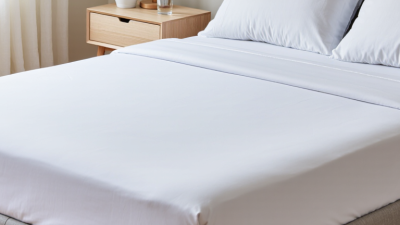
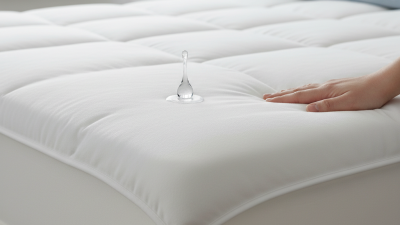
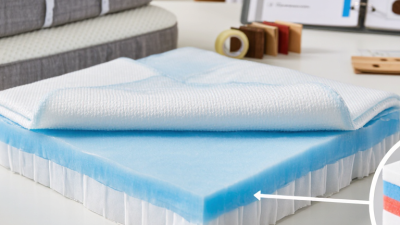
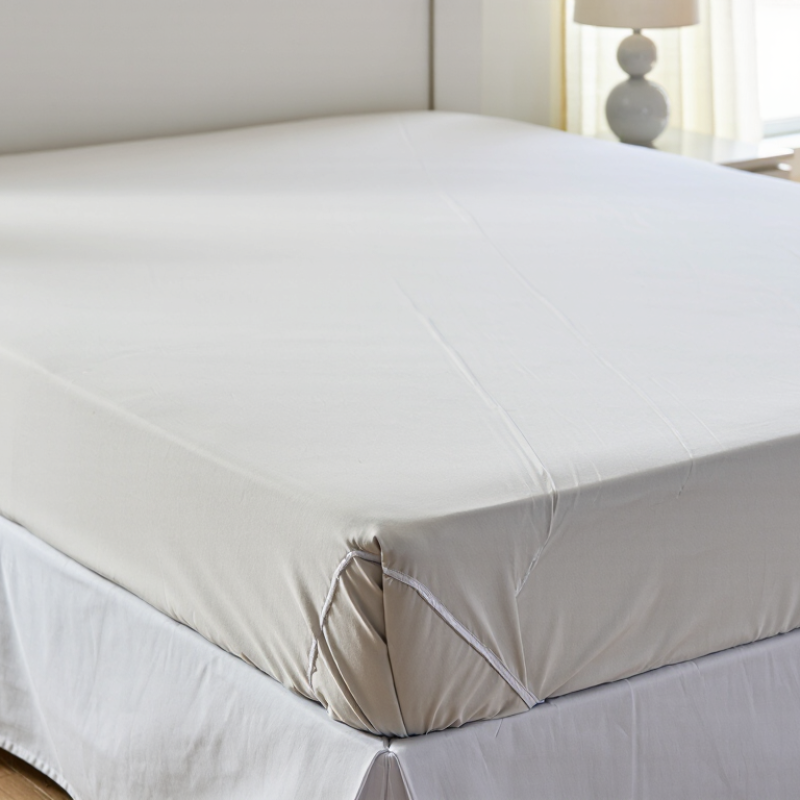
A waterproof bed sheet is a bedding layer designed to slow or stop liquids from reaching the mattress. Many use a fabric top bonded to a thin waterproof membrane, often polyurethane. The surface should feel comfortable against skin, while the barrier helps protect against spills, perspiration, or occasional nighttime accidents. It is not the same as a regular fitted sheet, and it cannot prevent stains if liquid runs over the edges. Small detail, big difference.
Main uses vary by household and setting. Families may use one during toilet training, while caregivers may choose one for beds used by people with limited mobility. Guest rooms, children’s beds, and homes with pets can also benefit from easier cleanup after spills.
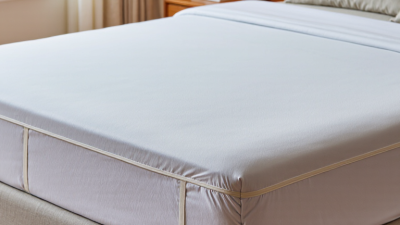
Fit matters: elastic corners should hold the sheet flat without pulling free when someone turns. Check care instructions, since high heat or harsh washing can shorten the life of some membranes.
A waterproof layer may feel warmer or less breathable than ordinary cotton. I would not assume every sheet stays silent or cool; those claims deserve a close look. Test the feel, too. A useful sheet protects the mattress, but comfort still decides whether people keep using it.
Comparing Fabrics, Waterproof Layers, and Breathability
Waterproof bed sheets combine a surface fabric with a hidden barrier, and both affect comfort. Cotton feels familiar and absorbs moisture, but it may take longer to dry after washing. Polyester often dries faster and resists wrinkling, though some sleepers find it warm. Blended fabrics can balance softness and durability, but the exact weave matters. Feel the fabric, not just the label.
The waterproof layer is usually laminated beneath the top fabric. Thin polyurethane layers tend to flex quietly and allow more water vapour to pass than many thicker barriers. Still, “waterproof” does not guarantee a cool night. A dense coating can trap heat, especially under a heavy duvet. Check care instructions and product details for the barrier material, seam construction, and tested water resistance. Small print matters.
Breathability depends on the whole sheet: top fabric, coating, fit, and room temperature. In a warm climate, compare lightweight tops and flexible barriers, then check whether the fitted sheet covers the mattress securely without stretching tight. A loose corner can expose the surface. For cooler rooms or occasional spills, a thicker build may be a reasonable trade-off. There is no perfect combination. I would rethink any choice based only on a “soft” claim; comfort varies, and specifications can be incomplete.
Checking Safety Standards, Certifications, and Product Quality
For waterproof bed sheets, safety paperwork matters as much as the waterproof layer. Ask suppliers for current test reports covering the finished product, not only its fabric. Check that the report names the material, color, and product construction you plan to buy. A certificate may apply to one sample or production batch only. Verify its issuer and scope independently, and confirm that the tested requirements suit your destination market.
Tip: Request the test method, report date, and batch reference. For close skin contact, review chemical-safety results and any stated limits on restricted substances. Do not treat a logo or certificate alone as proof of quality. It is easy to miss the fine print.
Then inspect a sample. Look for an even waterproof backing, sealed seams, and smooth edges around the fitted skirt. A strong plastic smell is worth investigating, though odor alone cannot confirm a safety failure. Ask how the sheet performs after repeated washing, and compare care instructions with the test claims. If possible, check water resistance after washing a sample. Suppliers may not have every answer ready; record gaps and request clarification before placing a large order. A neat sample can still differ from bulk production, so consider arranging pre-shipment inspection.
Evaluating Suppliers, Pricing, Shipping, and Import Conditions
A reliable waterproof bed sheet supplier should provide clear specifications, not just attractive product photos. Ask about the face fabric, waterproof layer, seam construction, and care instructions. Request samples in the intended size, then check fit, noise, and how the backing feels after washing. Small details matter. A sample may perform well, but bulk production can still vary, so agree on inspection criteria before placing a large order.
Compare total landed cost rather than unit price alone. Include sample fees, packaging, minimum order quantities, payment terms, freight, insurance, duties, and local taxes. I would not choose a supplier on the lowest quote alone; I once overlooked carton dimensions, and freight estimates changed. It is an easy mistake to make. Ask for a dated quotation and confirm which costs may change before shipment.
Shipping plans depend on order size, delivery urgency, and destination. Confirm production time, port or warehouse handoff, tracking, and who handles damaged or delayed cartons. Before ordering, check the destination’s current import documentation, product labeling, and tariff classification with a qualified customs broker. Requirements can differ by market and product construction. Keep the commercial invoice, packing list, and agreed product specifications consistent. Clear paperwork helps, though it cannot prevent every delay.