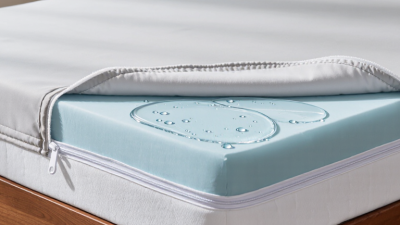
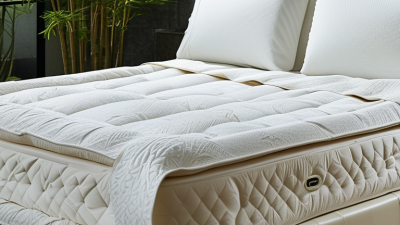
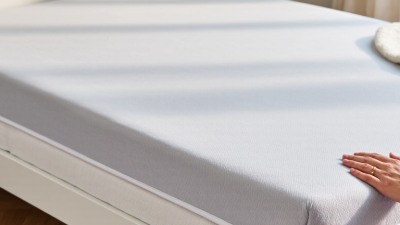
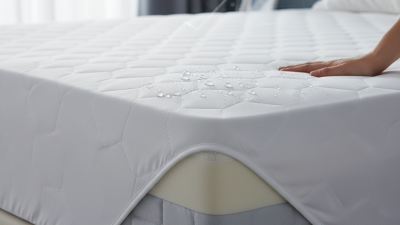
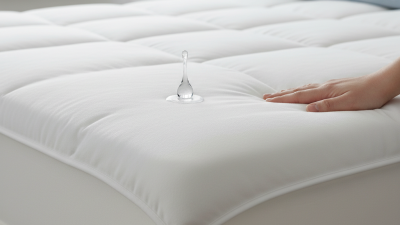
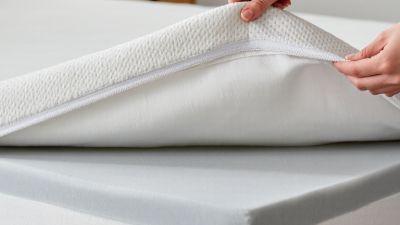
Choosing a reliable mattress protector supplier requires more than comparing prices and product photos. In 2026, buyers will likely examine waterproof performance, fabric comfort, production consistency, and supplier communication. A Mattress Protector Waterproof product should protect against spills, sweat, stains, and accidental moisture without creating a noisy sleeping surface. The best suppliers understand this balance.
This guide introduces leading waterproof mattress protector suppliers for hotels, retailers, healthcare buyers, and private-label brands. It focuses on practical details, including membrane materials, seam construction, elastic skirt depth, wash durability, and size accuracy. TPU and polyurethane coatings may offer different comfort and performance characteristics. Buyers should request test reports, sample units, factory information, and clearly documented certifications before placing large orders. Certification names alone are not enough.
Real experience matters. A protector may feel soft during a showroom inspection but fail after repeated washing. A supplier may promise fast delivery yet struggle with custom sizes or packaging changes. These risks deserve attention. Small details count.
We also consider minimum order quantities, sampling procedures, quality-control systems, communication speed, and after-sales support. Supplier rankings should not be treated as permanent. Factory capacity, material costs, and service quality can change during the year. No supplier is perfect, and this review may overlook smaller manufacturers with strong regional expertise. That limitation is worth acknowledging. Still, careful comparison can help buyers identify dependable partners and avoid products that look impressive but perform poorly in everyday bedrooms.
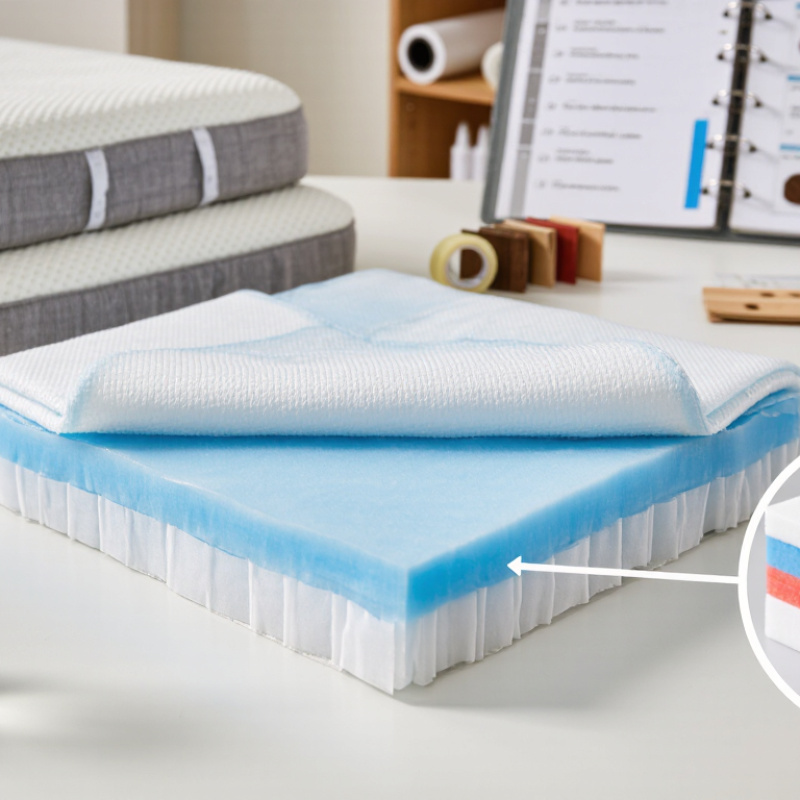
A high-quality waterproof mattress protector supplier starts with dependable materials and clear product knowledge. The protector should block liquid while allowing airflow, reducing heat and trapped moisture during sleep. Look for tightly sealed seams, durable elastic, and a quiet surface that does not crinkle with movement. Small details matter.
Reliable suppliers explain fabric composition, waterproof membrane construction, washing limits, and expected service life. They should provide test reports for water resistance, shrinkage, colorfastness, and harmful substance screening. Independent laboratory evidence carries more weight than polished product claims. Ask for samples before placing a large order. A ten-minute inspection can reveal loose stitching, uneven corners, or strong chemical odors.
Experience also appears in fit and after-sales support. A professional supplier should offer accurate size charts for different mattress depths and respond clearly about replacements or defects. Packaging should keep products clean and dry during transport. Still, no protector lasts forever. Frequent hot washing, sharp bed frames, and poor fitting can weaken the membrane. Suppliers that admit these limits often seem more trustworthy. I would also question unusually low prices, because hidden compromises may affect comfort, testing, or durability. A strong supplier welcomes practical questions and shares measurable information, even when the answer is not perfect.
Evaluating waterproof mattress protector manufacturers in 2026 requires more than comparing prices. Start with factory experience, material knowledge, and repeatable quality records. Ask how long the manufacturer has produced bedding protection products. Request production photos, inspection reports, and recent sample data. Vague answers are warning signs.
Test the protector on a real mattress, not only a showroom table. Check the TPU or coated membrane for smooth coverage, flexible edges, and unpleasant odors. Pour measured water across the center and corners. Then inspect the seams after folding and stretching. Small failures often appear there. A reliable supplier should explain its waterproof testing method, washing temperature, drying limits, and expected service life.
Request samples from different production batches. One sample proves very little. Wash each sample repeatedly, checking shrinkage, noise, fabric pilling, zipper strength, and leakage. I would also compare laboratory results with practical home testing. They may not match perfectly. That gap deserves discussion, not excuses. Review the manufacturer’s traceability system, worker training, complaint handling, and corrective-action records. Clear documentation shows professional control. Independent testing can add confidence, especially for material safety and durability claims. Still, certificates should be verified and kept current. A polished website cannot replace transparent communication, consistent samples, and an honest answer when a design needs improvement.
| Evaluation Dimension | Recommended 2026 Benchmark | How to Verify the Supplier | Relevant Test Method or Reference | Suggested Weight | Procurement Interpretation |
|---|---|---|---|---|---|
| Waterproof Performance | Water resistance should be demonstrated with a documented hydrostatic-pressure or water-penetration test. A higher result is preferable for healthcare, hospitality, and heavy-use applications. | Request a recent laboratory report for the finished protector, including fabric, membrane, coating, seams, and closure areas. | AATCC TM127 for hydrostatic pressure testing; ISO 811 may also be used for resistance to water penetration. | 25% | Do not approve a supplier based only on the fabric specification. The finished product must be tested. |
| Seam and Closure Integrity | All seams, zippers, elastic edges, and laminated areas should remain watertight after repeated use and laundering. | Inspect sealed seams and zipper ends on production samples. Conduct leakage testing after the declared wash cycle. | Use a documented internal leakage protocol or a third-party water-penetration test on finished samples. | 15% | Weak seam construction is a common failure point even when the base fabric is waterproof. |
| Material Safety | Materials should be traceable and tested for restricted substances relevant to the destination market. | Request a bill of materials, restricted-substance test report, supplier declarations, and production-lot traceability records. | OEKO-TEX STANDARD 100 may be used for textile product testing; applicable local chemical regulations must also be checked. | 15% | Prioritize suppliers that can provide product-specific documentation rather than generic certificates. |
| Breathability and Comfort | The protector should balance liquid resistance with acceptable air and moisture-vapor transmission, especially for residential and hospitality use. | Compare air-permeability or moisture-vapor results from the same test conditions across samples. | ASTM E96 or ISO 11092 can be considered for moisture-vapor transmission evaluation; ASTM D737 is commonly used for air permeability. | 10% | Higher waterproofing alone does not guarantee sleeping comfort. Evaluate noise, hand feel, and heat retention during sample trials. |
| Wash Durability | The product should retain waterproofing, fit, appearance, and elastic recovery after the buyer’s required number of wash cycles. | Run a wash-and-dry trial using the intended detergent, temperature, drying method, and cycle count. | AATCC or ISO laundering procedures may be selected according to the target market and product-care instructions. | 15% | Compare test results before washing and after the full declared care-life cycle. |
| Fit and Size Accuracy | Finished dimensions should match the approved size chart, with adequate depth allowance for the mattress profile. | Measure length, width, pocket depth, elastic recovery, and corner construction on samples from different production lots. | Use an approved tolerance sheet; define dimensional tolerances contractually before production. | 8% | For fitted protectors, a secure fit reduces noise, movement, exposed mattress areas, and customer returns. |
| Quality Management | A documented inspection system should cover incoming materials, in-process checks, final inspection, defect classification, and corrective action. | Review quality manuals, inspection records, calibration evidence, corrective-action reports, and sample approval procedures. | ISO 9001 certification is useful evidence, but it should be supplemented with product-specific inspection records. | 5% | A certificate is not a substitute for production records and measurable acceptance criteria. |
| Production Capacity | The supplier should demonstrate capacity that matches the forecast volume, size range, material complexity, and seasonal demand. | Request monthly capacity by product type, current utilization, production calendar, equipment list, and subcontracting disclosure. | Validate the information through a factory audit, video audit, or independent inspection. | 3% | Capacity should be evaluated together with quality consistency and contingency planning. |
| Order Flexibility | Commercial terms should clearly state minimum order quantity, sample charges, tooling or setup fees, packaging requirements, and payment terms. | Compare written quotations and verify that pricing includes the same material, packaging, testing, and delivery assumptions. | Use a standardized request-for-quotation template to ensure like-for-like comparison. | 2% | The lowest quoted unit price may indicate lower material weight, weaker construction, or excluded testing costs. |
| Lead Time and Logistics | Lead times should be stated separately for sample development, material preparation, production, inspection, and shipment. | Check historical on-time delivery data and require a written production schedule for the first order. | Use purchase-order delivery performance and shipment records as the primary evidence. | 2% | Suppliers with reliable scheduling may reduce stock-out risk even when their nominal lead time is not the shortest. |
Choosing waterproof mattress protector suppliers in 2026 requires more than comparing prices. Material selection affects comfort, durability, and safety. TPU-coated polyester usually offers flexible waterproof protection and lower odor than many PVC alternatives. Cotton terry can improve softness, but it may absorb moisture before the barrier stops it. Check the coating thickness, fabric weight, and air permeability with documented test results.
Reliable suppliers should provide current certification records, not only printed logos. Depending on the market, useful evidence may include OEKO-TEX testing, REACH-related material declarations, and ISO 9001 quality procedures. These documents should identify the factory, product range, and testing date. Ask whether laboratory reports cover the exact fabric and coating. A certificate for another product proves very little.
Tips: Request wash-cycle testing, hydrostatic pressure results, seam-leak checks, and dimensional stability data. Review production samples after repeated washing. Inspect elastic recovery, corner fit, stitching density, and odor after packaging. Production control matters too. Suppliers should record incoming fabric checks, coating temperatures, needle changes, and final inspections. AQL sampling can support consistency, but it cannot replace functional testing. One overlooked weakness is noisy fabric during movement. Another is poor breathability in warm rooms. These details are easy to miss during a short sample review. Ask for third-party verification when claims seem unusually strong. Even experienced buyers can overvalue certificates and underestimate daily sleeping comfort.
Use this objective comparison framework when reviewing waterproof mattress protector suppliers. The chart counts the key documents, material checks, laboratory tests, and production controls that should be verified before approval. It is not a supplier ranking or market-share measurement.
Materials should cover fiber composition, membrane or coating construction, chemical compliance, and durability. Certification checks may include product-scope verification for OEKO-TEX® STANDARD 100, recycled-content claims under GRS, REACH compliance, and market-specific safety requirements. Production controls should include incoming inspection, lamination or seam control, hydrostatic-pressure testing, laundering durability, and final inspection. Ask suppliers to provide current certificates, test reports, batch traceability, and defined acceptance criteria.
Retailers and hospitality buyers need more than attractive samples when selecting a waterproof mattress protector supplier. Ask for independent test reports covering water resistance, seam strength, shrinkage, and repeated washing. A protector that survives one laundry cycle proves little. Request production samples from different batches, then inspect the fitted corners, elastic recovery, stitching, and fabric noise. Details matter.
Material selection should match the sleeping environment. A breathable polyurethane membrane may suit hotels seeking quiet protection, while heavier construction can support healthcare or extended-stay use. Confirm the fabric composition, care instructions, and chemical safety documentation before placing a large order. Suppliers should explain their testing methods clearly, not hide behind vague terms such as “premium quality.” That gap matters.
Operational reliability is equally important. Review minimum order quantities, lead times, carton dimensions, labeling options, and replacement procedures. For hospitality buyers, ask whether the supplier can maintain consistent sizing across king, queen, and twin formats. Track response times during the sample stage. Slow communication often becomes a larger problem after payment. I have learned that a polished sample can conceal uneven factory controls, so factory audits or documented quality checks deserve attention. Still, audits are not perfect. Recheck critical measurements before each seasonal order, especially when recycled fibers or new membrane materials are introduced. A dependable supplier welcomes specific questions and provides evidence without unnecessary pressure.
Choosing a waterproof mattress protector supplier requires more than comparing catalog prices. Start with the product itself. Request samples with different membrane thicknesses, corner designs, and fabric blends. Sleep on one for several nights. Check noise, breathability, and whether the surface becomes clammy.
Ask how the supplier tests waterproof performance. Reliable suppliers should provide recent, traceable laboratory reports and clear material specifications. Examine the TPU or other waterproof layer, stitched seams, zipper construction, and elastic recovery. Wash the sample repeatedly at the temperature used by your customers. One successful test proves little. Real homes are less forgiving.
Supplier experience also matters. Ask for production photos, quality-control records, batch traceability, and references from similar buyers. Confirm minimum order quantities, sample fees, lead times, packaging details, and replacement procedures in writing. A low quotation may hide unstable fabric quality or delayed shipments. That happened to a small purchasing team I once advised. Their first sample looked excellent, but the second batch had loose corner straps.
Check whether independent testing matches your destination market’s requirements. Certificates should identify the tested material, date, and laboratory. Do not accept unclear screenshots. Communication is another practical test. Send detailed questions and observe the response. If answers remain vague, future claims may be harder to resolve. No supplier fits every project. Reassess your priorities before signing.