What is Waterproof Fabric For Bedding Benefits and Options?
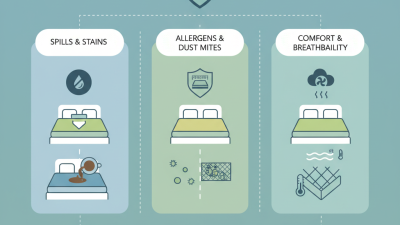
In today’s world of bedding, waterproof fabric has gained significant attention. Many households are discovering the advantages of incorporating this material. Dr. Emily Johnson, an expert in textile technology, states, "Waterproof fabric for bedding is a game changer for those seeking durability and comfort." This innovative fabric provides a reliable shield against spills, allergens, and dust mites.
Choosing waterproof fabric for bedding not only enhances the lifespan of your products but also contributes to a healthier sleep environment. Imagine a carefree night without worrying about stains or moisture damage. However, finding the right balance between comfort and functionality can be challenging.
Not all waterproof materials offer the same level of breathability. This is an essential factor to consider. While some options may excel in protection, they might compromise on softness. Therefore, it’s crucial to weigh your options carefully and look for reputable brands that provide quality waterproof fabric for bedding.
Understanding Waterproof Fabric: An Overview for Bedding
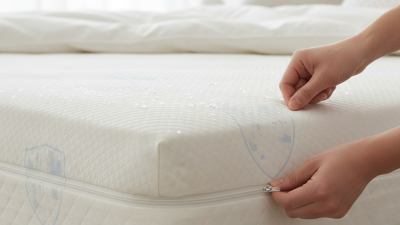
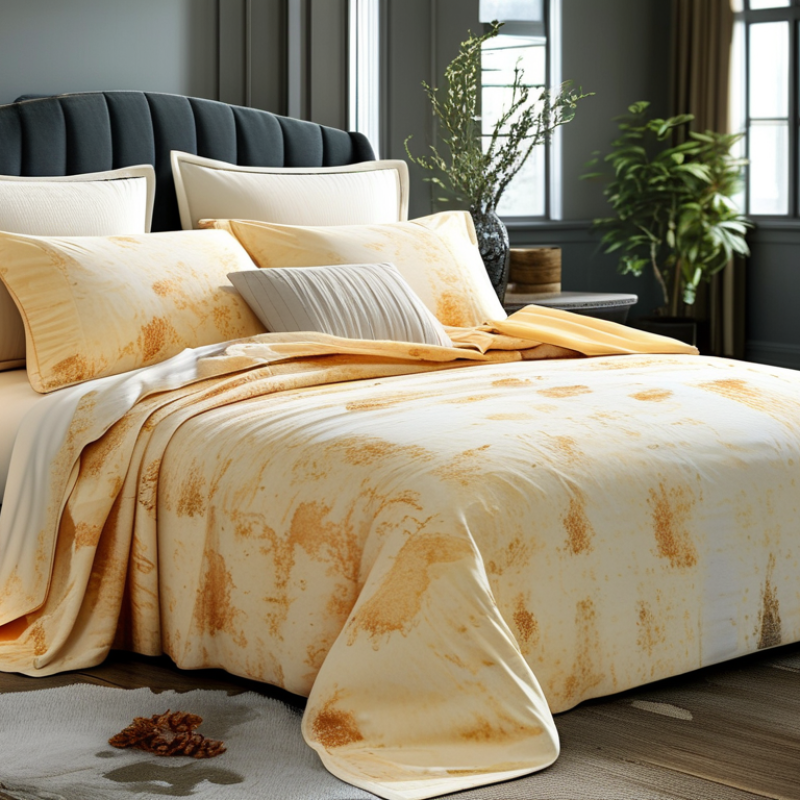
Waterproof fabric for bedding offers essential benefits for many households today. This type of fabric is designed to resist liquids, making it ideal for those prone to spills or accidents. Its protective qualities can help extend the lifespan of bedding. However, while waterproof fabrics excel at keeping moisture out, they can sometimes trap heat, leading to discomfort on warm nights.
When selecting waterproof fabric for bedding, examine the materials used. Many options utilize a barrier layer that prevents liquid penetration. This layer can be made from polyurethane or vinyl, providing excellent protection. Yet, it’s important to consider breathability. Some fabrics are more breathable than others, which can affect overall comfort. You might find that softer versions allow for better airflow without sacrificing waterproof capabilities.
It’s also worth noting that not all waterproof bedding is created equal. Some products may feel stiff or noisy compared to traditional fabrics. This can be off-putting for those who appreciate a soft, quiet sleeping environment. It’s advisable to test various options and reflect on your personal preferences. Ultimately, finding the right combination of comfort and protection is key for a good night’s sleep.
What is Waterproof Fabric For Bedding Benefits and Options?
| Feature |
Benefit |
Material Options |
Care Instructions |
| Waterproof |
Prevents liquid penetration |
Polyester, Nylon, Vinyl |
Machine wash cold, tumble dry low |
| Breathable |
Allows air circulation, reducing humidity |
Cotton, Poly-cotton blend |
Do not bleach, air dry recommended |
| Stain Resistant |
Easier to clean and maintain |
Treated fabrics, Microfiber |
Wipe with a damp cloth, machine wash if needed |
| Durable |
Long-lasting and withstands wear |
High-denier fabrics, Laminated fabrics |
Follow specific fabric care instructions |
Benefits of Waterproof Fabric in Bedding: Comfort and Protection
Waterproof fabric in bedding offers significant comfort and protection. It serves as a barrier against spills and stains, which is particularly beneficial for families with children or pets. This fabric can withstand moisture, ensuring that your bedding remains dry and fresh. Imagine a midnight spill that might ruin your favorite sheets—waterproof fabric prevents that disaster.
In terms of comfort, many modern waterproof fabrics are designed to feel soft and breathable. They do not create the crinkly sound associated with older models. Moreover, they can still be quilted or layered, maintaining an inviting look and feel. However, it’s essential to note that some waterproof fabrics may trap heat, making sleep uncomfortable during warmer nights.
Investing in waterproof bedding options can save you time and effort on laundry. Stains become less of a worry, allowing you to focus on more important matters. Yet, waterproof bedding should not be seen as a complete solution. Proper care and regular cleaning are still necessary to maintain hygiene. Reflecting on your bedding choices can lead to both comfort and practicality.
Types of Waterproof Fabrics Suitable for Bedding
Waterproof fabrics are increasingly popular for bedding. They provide excellent protection against spills and accidents. This is especially beneficial for families with young children or pets. There are several types of waterproof fabrics suitable for bedding, each with unique features and benefits.
Polyester is a common choice. It is durable and easy to clean. Another option is polyurethane-coated fabric. It offers enhanced breathability while remaining waterproof. Cotton blends are also available. They retain a soft feel, making them comfortable for sleeping. However, not all waterproof fabrics are created equal.
Some may crinkle or feel less soft over time. Potential users should consider these factors. The right choice will depend on personal need and comfort. Exploring various types can lead to a more informed decision. Comfort and practicality should go hand in hand.
Choosing the Right Waterproof Bedding: Key Considerations
When selecting waterproof bedding, consider several key factors. First, look for materials that provide both comfort and protection. High-quality fabrics feel soft against your skin while safeguarding against spills and accidents. Most people overlook the breathability of these materials. A breathable fabric ensures you stay cool, preventing discomfort during sleep.
Another important aspect is ease of care. Waterproof bedding should be machine washable to remain practical. Choose materials that withstand regular washing without losing their protective qualities. It's easy to assume that all waterproof options are the same, but they vary widely in quality. Some materials may feel stiff or noisy, which can disturb your sleep.
Lastly, think about the fit of your waterproof bedding. Ill-fitting sheets can lead to frustration, especially when they bunch up or slip off. Investing time in choosing the right size and style can make a significant difference in overall comfort. Finding the perfect balance between protection and comfort is essential for a restful night. Keep in mind that individual preferences play a big role in what works best for you. Everyone’s needs differ, so what feels right for one person might not suit another.
Benefits of Waterproof Fabric for Bedding
Care Instructions for Waterproof Bedding to Ensure Longevity
Waterproof bedding is a practical choice for many households, but proper care is essential to maintain its functionality. To ensure longevity, it’s important to follow specific care instructions that prevent damage while keeping the materials effective. Washing waterproof fabric in cold water helps preserve its qualities. Avoid using bleach or fabric softeners; they can degrade the waterproof barrier over time.
Drying should be handled with care as well. Opt for air drying whenever possible. This method reduces the risk of heat damaging the fabric. If you must use a dryer, select a low heat setting. Regular inspections for wear and tear can catch small issues before they become larger problems. Sometimes, a seemingly minor tear might compromise the entire protective layer.
Stains should be addressed promptly. Blot the area gently instead of rubbing it, as this can push the stain deeper. Using a mild detergent can be effective for cleaning without harming the waterproof properties. Understanding the limits of your waterproof bedding is vital. While it offers protection, excessive moisture or neglect in care could lead to issues over time.