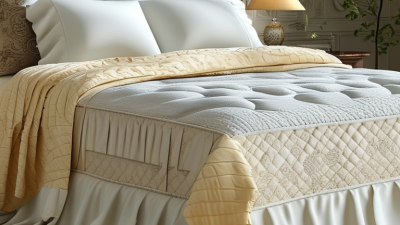
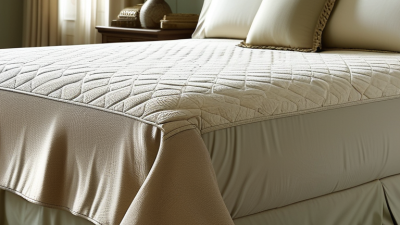
7 Best Waterproof Fabric For Bedding Suppliers

Choosing the right Waterproof Fabric For Bedding requires more than checking a supplier’s product catalogue. Mattress protectors face repeated washing, body moisture, friction, and accidental spills. A fabric that feels dry in a showroom may become noisy, warm, or brittle after months of use.

Industry data shows why material selection matters. Textile Exchange’s Materials Market Report 2024 reported global fiber production at approximately 124 million tonnes in 2023, with polyester representing nearly 57% of total output. This scale supports polyester’s availability, but volume does not guarantee comfort or responsible sourcing. The Global Organic Textile Standard and OEKO-TEX STANDARD 100 also highlight the importance of verified chemical safety and traceable processing. Certifications are useful. They are not the whole answer.

This guide examines seven practical fabric options for bedding suppliers, including laminated polyester, TPU-backed textiles, polyurethane-coated cotton, and advanced breathable membranes. Each option will be compared through waterproof ratings, hydrostatic pressure, air permeability, wash durability, hand feel, and production consistency. Small details matter. A stiff coating can disturb sleep. Poor seam sealing can defeat excellent fabric. Supplier experience also deserves attention, especially when samples must survive repeated washing and drying tests. No material wins every test. A cheaper fabric may perform well initially but lose flexibility later. That possibility should remain visible during purchasing decisions. Based on supplier evaluation practices and recognized textile testing principles, this overview aims to support clearer, evidence-based sourcing.
7 Best Waterproof Fabric For Bedding Suppliers

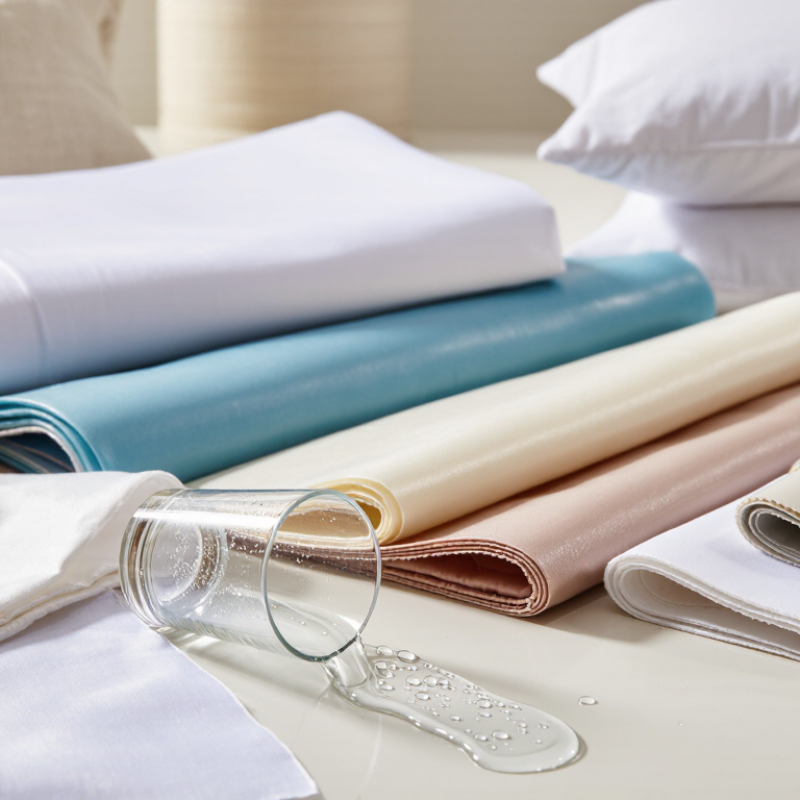
Seven Waterproof Bedding Fabrics: PU, TPU, PUL, PVC, PEVA, Cotton, and Polyester

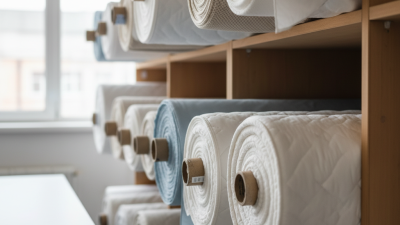
Choosing waterproof bedding fabric requires more than checking a supplier’s product photo. The material must resist liquid, remain comfortable, and survive repeated washing. PU-coated fabric feels soft and flexible, making it suitable for mattress protectors. TPU offers stronger abrasion resistance and a smoother surface, although it may cost more. PUL is a laminated fabric with dependable waterproof performance and useful stretch.

PVC creates a firm, highly protective barrier, but it can feel less breathable during warm nights. PEVA is lighter and usually softer than PVC, though its long-term durability varies by construction. Cotton feels natural and absorbs moisture well, but it is not waterproof without a coating or laminated layer.

Polyester dries quickly and resists wrinkles; its performance depends heavily on weave density and finishing quality.

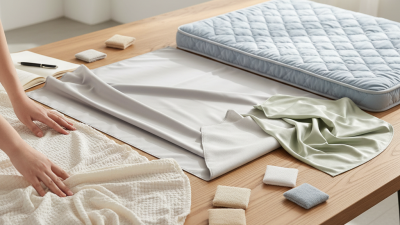
Tips: Ask suppliers for hydrostatic pressure, washing, seam, and odor test results. Check the fabric after several wash cycles, not only when new. Request samples and bend them around a mattress corner. No fabric is perfect. Comfort, waterproofing, noise, and price often compete. In practical sampling, a quiet PU or PUL layer may outperform a thicker material for everyday bedding. Still, I would question any supplier promising permanent waterproofing without clear test conditions, fabric weight, and care instructions. Reliable suppliers explain limitations, production tolerances, and batch consistency instead of offering vague claims.

Hydrostatic-Pressure Ratings: Comparing 3,000–20,000 mm Waterproof Performance

When bedding suppliers compare waterproof fabrics, hydrostatic pressure offers a clearer starting point than vague “water-resistant” labels. A 3,000 mm rating means the fabric resisted a water column measuring roughly 3,000 millimeters during controlled testing. It does not promise endless protection. Seams, needle holes, washing, and fabric flexing can reduce real performance. In a mattress protector, these weak points often matter more than the face fabric.

At 5,000–10,000 mm, fabrics generally provide stronger protection against spills, damp mattresses, and repeated household handling. Request test reports showing sample preparation, pressure ramp, temperature, and failure point. Without that detail, numbers can mislead. A 20,000 mm fabric offers a substantial pressure margin, but it may feel stiffer, warmer, or noisier during sleep. High ratings are not automatically better.

For supplier evaluation, inspect a finished bedding panel instead of judging a loose swatch alone. Pour water over a stitched corner, then examine the underside after compression and laundering. Record leakage, surface feel, odor, and recovery. These practical checks complement laboratory data and reveal variation between production lots. This approach is useful, but not perfect. Hydrostatic tests simulate pressure, not every overnight accident. I would match 3,000–5,000 mm with light protection and 10,000 mm with demanding use. Choose 20,000 mm when extra margin justifies the trade-offs.

7 Best Waterproof Fabrics for Bedding Suppliers

Hydrostatic-pressure ratings: comparing 3,000–20,000 mm waterproof performance

Hydrostatic pressure is measured in millimetres of water column. A higher value generally indicates better resistance to water penetration. The figures shown are representative performance targets for common coated, laminated, and membrane fabric constructions; final results depend on fabric weight, seam design, coating quality, and testing method.

Breathability Standards: MVTR Values and Moisture Management for Sleep Comfort

For waterproof bedding, MVTR means moisture vapor transmission rate. It measures vapor passing through one square meter in 24 hours. ASTM E96/E96M and ISO 15496 report results in g/m²/24h. However, these methods use different conditions. Results should never be compared casually.

Supplier test sheets commonly show coated fabrics near 5,000–20,000 g/m²/24h. Higher values usually support better vapor release, but they do not guarantee cool sleep. A fabric may pass vapor while blocking liquid poorly. Hohenstein testing guidance also evaluates wicking, drying speed, and moisture distribution. These factors matter when a sleeper produces heat under a quilt. In humid rooms, a waterproof layer with low MVTR can feel clammy within hours. That detail is easy to miss.

Tips: Ask suppliers for MVTR method, test temperature, humidity, and sample construction. Request hydrostatic pressure data too. For mattress protectors, compare breathability after washing, not only before it. A 2024 textile performance review found that repeated laundering can change coating structure and reduce moisture transport. The exact loss depends on detergent, heat, and abrasion. There is no universal “best” MVTR number. A balanced fabric often performs better than an extreme one. I would also test a finished protector, because seams, elastics, and laminated layers can reduce real-world airflow. Expect some uncertainty. That is more honest than trusting one impressive figure.

Durability Testing: ASTM D751, ISO 12947, and 50,000-Rub Martindale Cycles

Waterproof bedding suppliers should treat durability as measurable performance, not a marketing promise. ASTM D751 evaluates coated fabric properties, including hydrostatic resistance, breaking strength, and tear resistance. Its hydrostatic test can reveal weak coating points, especially around stitched seams and folded corners. A fabric may resist water in a flat panel, yet leak after repeated flexing.

ISO 12947 measures abrasion resistance with the Martindale method. The standard records visible damage, yarn breakage, or other defined endpoints. However, ISO 12947 does not declare that every bedding fabric must survive 50,000 cycles. That figure is a practical purchasing benchmark used for demanding upholstery and contract-textile applications. Suppliers should report the test load, abrasive material, endpoint, and specimen condition. Without those details, “50,000 rubs” is incomplete data.

Testing reports from textile laboratories often show performance changes after washing, seam stress, and chemical exposure. A useful supplier file should include hydrostatic pressure results, Martindale cycle results, wash-cycle procedures, and laboratory accreditation. Test the waterproof side after laundering. Test it again at the seam. This matters.

In my experience, laminated fabrics can pass abrasion testing but lose water resistance after repeated washing. That result is easy to overlook. Buyers should request production-lot samples, not only laboratory swatches. Results may vary slightly. That uncertainty deserves honest disclosure.

7 Best Waterproof Fabric For Bedding Suppliers - Durability Testing: ASTM D751, ISO 12947, and 50,000-Rub Martindale Cycles

Rank Waterproof Fabric Type Typical Construction ASTM D751 Hydrostatic Resistance
(Typical Range)
ISO 12947 Martindale Performance 50,000-Rub Suitability Key Durability Advantages Recommended Bedding Applications
1 TPU-Laminated Polyester Woven polyester face with thermoplastic polyurethane film backing 1,500–5,000 mm water column 50,000–100,000 cycles Excellent High tear resistance, strong film adhesion, good flexibility, and reliable resistance to repeated washing Mattress protectors, fitted-sheet barriers, hospital bedding, and heavy-use waterproof covers
2 PU-Coated Polyester Polyester woven or knitted base with polyurethane coating on the reverse side 1,000–3,000 mm water column 40,000–80,000 cycles Excellent Balanced waterproofing, abrasion resistance, softness, and cost efficiency Everyday mattress protectors, pillow protectors, duvet covers, and washable bedding liners
3 PVC-Coated Polyester Polyester scrim or woven fabric coated with polyvinyl chloride 2,000–10,000 mm water column 50,000–100,000 cycles Excellent Very high liquid-barrier performance, strong abrasion resistance, and good dimensional stability Industrial-care mattress covers, medical protection layers, and high-moisture environments
4 PUL Fabric Knitted polyester or cotton face bonded to a breathable polyurethane laminate 1,000–3,000 mm water column 30,000–60,000 cycles Very Good Soft hand feel, stretch recovery, quiet use, and a breathable waterproof membrane Stretch-fit mattress protectors, baby bedding, reusable bed pads, and home-care products
5 Laminated Cotton Cotton or cotton-blend fabric laminated with PU or TPU film 800–2,500 mm water column 20,000–60,000 cycles Very Good Natural textile appearance, comfortable touch, and improved waterproof protection compared with uncoated cotton Decorative mattress covers, pillow protectors, guest-room bedding, and light-to-medium domestic use
6 Polyester Microfiber with TPU Backing Fine-denier polyester microfiber face with a thin TPU waterproof layer 1,000–3,000 mm water column 50,000–80,000 cycles Excellent Low-noise surface, smooth touch, dense construction, and strong resistance to pilling when properly finished Premium mattress protectors, hotel bedding, pillow encasements, and sensitive-skin applications
7 Nylon with PU Coating High-tenacity nylon woven fabric with polyurethane coating 1,500–5,000 mm water column 40,000–70,000 cycles Very Good Excellent strength-to-weight ratio, high tear resistance, and good performance in lightweight protective products Portable bedding, outdoor sleeping systems, foldable mattress covers, and contract-use protection layers

Testing reference: ASTM D751 is commonly used to evaluate coated-fabric properties, including hydrostatic resistance. ISO 12947 evaluates textile abrasion resistance using the Martindale method.

Interpretation: A result of 50,000 Martindale cycles indicates strong abrasion resistance for frequent-use bedding, but actual service life also depends on fabric weight, seam construction, laundering temperature, detergent, finishing, and user conditions.

Important: The performance ranges shown are representative technical ranges for common waterproof bedding constructions, not guaranteed minimum specifications. Final values should be confirmed through an accredited laboratory using the agreed fabric construction and test conditions.

Supplier Evaluation: GSM, Coating Thickness, Certifications, MOQ, and Lead Times

When evaluating waterproof fabric suppliers for bedding, start with GSM and coating thickness. GSM shows fabric weight, but it does not prove durability. A 120 GSM polyester shell may feel light, while a 180 GSM fabric offers stronger abrasion resistance.

Ask for laboratory records, not only samples. Coating thickness should be reported in microns, with polyurethane or TPU layers measured consistently. Uneven coating often creates weak spots near stitched edges.

Hydrostatic pressure testing under ISO 811 helps verify water resistance. Spray testing under ISO 4920 can reveal surface wetting. For bedding, request washing-cycle results because repeated laundering can damage coatings.

Certifications also need careful checking. OEKO-TEX STANDARD 100 verifies harmful-substance limits, while recycled-content claims should include transaction evidence. Textile Exchange’s 2024 Materials Market Report states that global fiber production reached 124 million tonnes in 2023, increasing pressure for traceable material sourcing.

Check MOQ against your sales forecast and storage capacity. A 500-meter MOQ may appear attractive, but it can tie up cash and create outdated inventory. Lead times should include greige fabric, coating, testing, and final inspection.

Request a written schedule with delay procedures. Recent textile supply-chain reports continue to identify transport disruption and raw-material volatility as major planning risks. I would also ask for three production references.

Supplier claims can sound polished. Documentation is stronger. My own evaluation would still leave room for error, especially when coating performance changes after industrial washing.