10 Best Waterproof Pillow Protectors for Every Bed?

A pillow absorbs more than nightly comfort. It meets sweat, skin oils, saliva, allergens, and occasional spills. A well-chosen Waterproof Pillow Protector creates a washable barrier between those exposures and the pillow’s inner fill. It may also reduce cleaning pressure, especially in homes with children, pets, allergies, or humid bedrooms.

The American Academy of Sleep Medicine and Sleep Research Society recommend at least seven hours of sleep for healthy adults. That recommendation makes the sleep environment worth examining, not merely decorating. The U.S. Environmental Protection Agency advises keeping indoor relative humidity between 30% and 50%, which can help limit moisture-related problems and dust mites. However, protection is not the same as prevention. A cover cannot replace regular washing, ventilation, or sensible humidity control.

This guide evaluates ten leading pillow protectors for different beds and budgets. We examine waterproof layers, fabric softness, breathability, zipper security, washing performance, and noise during movement. We also consider certifications, care instructions, and realistic user complaints. Independent testing matters, but product claims still deserve skepticism. Some “waterproof” fabrics feel warm. Others protect well but crinkle under a restless sleeper’s head. Small details matter.

Our comparisons draw on manufacturer specifications, textile-care guidance, and consumer health recommendations. The goal is practical clarity, not exaggerated promises. A perfect protector probably does not exist. The best choice depends on your pillow filling, sleeping habits, climate, and tolerance for heat or noise.
10 Best Waterproof Pillow Protectors for Every Bed?

What Makes a Pillow Protector Waterproof and Effective

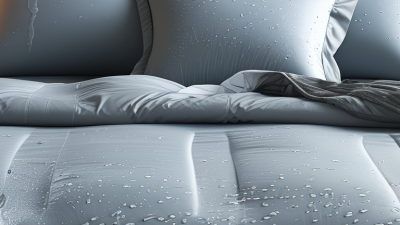
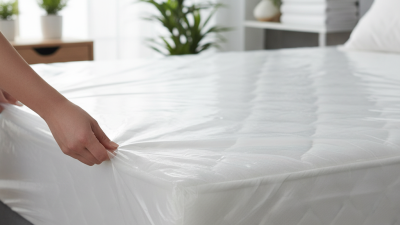
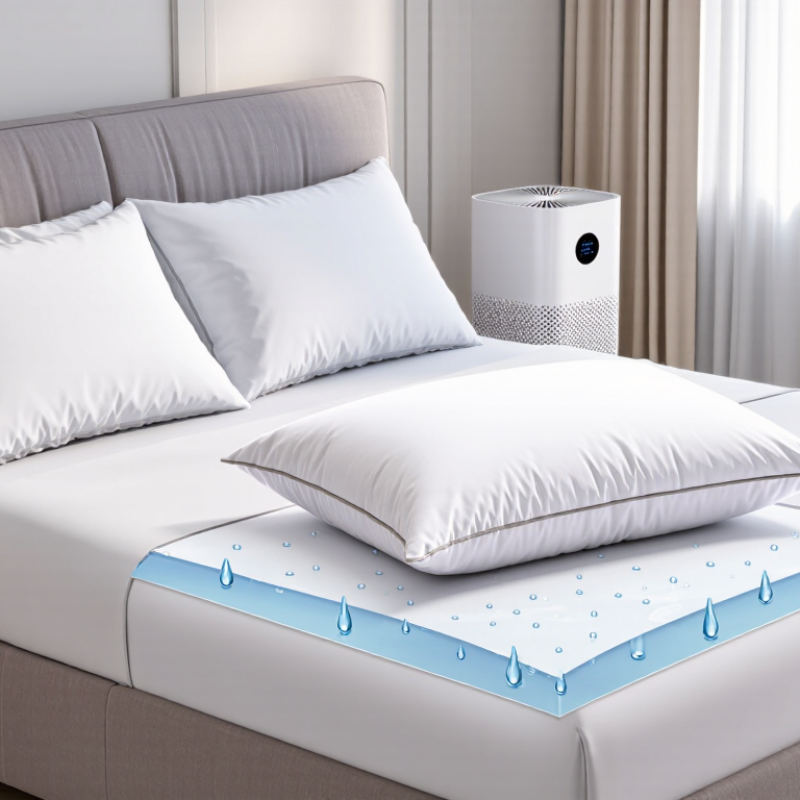
A waterproof pillow protector does more than resist a few morning spills. It creates a barrier against sweat, saliva, skin oils, and accidental moisture. Reliable designs often combine tightly woven fabric with a thin polyurethane or TPU membrane. This layer blocks liquid while allowing limited vapor movement. It should feel quiet, not like a crinkly plastic bag. A protector that traps heat can disturb sleep, even when it keeps the pillow dry. That is a real trade-off.

Construction matters as much as fabric. Look for sealed or tightly finished seams, because small openings can defeat waterproof protection. A covered zipper protects the pillow’s edge during daily use and washing. The fit should stay smooth without compressing the pillow. I test this by placing a tissue inside, closing the protector, and pressing damp hands over each seam. Any spreading moisture is a warning. However, this simple test cannot replace laboratory testing. Product claims deserve caution.

Care determines whether protection lasts. Follow the care label, use mild detergent, and avoid high heat unless approved. Repeated heat can weaken coatings or distort the waterproof layer. Inspect the surface after several washes. Peeling, stiffness, or tiny cracks suggest replacement. Breathability also requires personal judgment. A cool bedroom may hide a warm protector. I once preferred the driest-feeling cover, then noticed morning dampness from poor airflow. Waterproof protection matters, but comfort and fit decide whether it works every night.

Key Features to Compare Before Choosing a Pillow Protector

A waterproof pillow protector should block moisture without turning your pillow into a warm, plastic-covered cushion. Compare the membrane material carefully. Polyurethane layers usually feel quieter than stiff vinyl. A cotton or bamboo-blend surface can improve softness and reduce sweating. Still, fabric labels can be misleading. Check the actual waterproof layer, not only the outer cover.

Fit matters more than many shoppers expect. Measure your pillow before choosing a protector. A loose cover can bunch beneath your cheek, while a tight one may strain the seams. Look for a secure zipper with a covered edge. Envelope closures can work, but gaps may allow liquid through. I once used an oversized protector, and the fabric shifted badly during sleep. That mistake changed how I judge fit.

Breathability, washing, and durability deserve equal attention. Review the care label for water temperature, drying limits, and shrinkage warnings. Frequent hot washing may weaken coatings over time. A reliable protector should keep its shape after repeated laundering, but no material lasts forever. Check seam quality by gently stretching the corners. Avoid strong chemical smells or vague performance claims. Independent testing, clear material details, and transparent warranty terms offer stronger evidence than impressive advertising. Consider noise, too. A quiet protector supports deeper sleep. Some do not.

10 Best Waterproof Pillow Protectors for Every Bed: Key Features to Compare Before Choosing

These comparison weights reflect the practical priorities shoppers commonly use when evaluating waterproof pillow protectors. Waterproof performance and fit receive the highest weighting, while breathability, washability, allergen protection, and noise control help distinguish everyday comfort and durability.

The 10 Best Waterproof Pillow Protectors for Different Sleep Needs

Choosing the 10 best waterproof pillow protectors starts with your sleep needs, not appearance. The Centers for Disease Control and Prevention reports that about one in three adults do not get enough sleep. A cleaner, drier pillow may support better comfort, though it cannot fix every sleep problem. Side sleepers often need a quiet, flexible protector that does not bunch beneath the cheek. Hot sleepers should look for cotton terry fabric with a thin, breathable waterproof layer. Children and people who sweat heavily may benefit from fully encased designs with secure zippers.

For allergy concerns, a tightly woven cover can help reduce contact with dust and skin particles. The U.S. Environmental Protection Agency recommends indoor humidity between 30% and 50%, which may also discourage excess moisture and mold growth. Still, “waterproof” does not always mean breathable. Some plastic-like layers feel warm after several hours.

My practical test is simple: place the protector under a pillow for one night, then check for trapped heat, noise, and dampness. I would also question vague claims such as “medical-grade” without testing details.

Tips: Wash the protector according to its care label. Avoid high heat unless approved. Check the zipper weekly for gaps. Replace it when the barrier cracks, leaks, or develops a persistent odor. A waterproof protector should feel almost invisible. If you notice it every night, it may not suit your sleep style.

How to Match a Protector With Pillow Materials and Bed Types

The right waterproof pillow protector depends on both pillow material and bed type.

The National Sleep Foundation’s Bedroom Poll found that 78% of respondents felt more excited for bed when their sheets were fresh. Clean protection matters, but comfort still comes first.

For memory-foam or latex pillows, choose a protector with a quiet TPU membrane and breathable fabric. These materials can retain warmth, so avoid thick, non-breathable plastic layers.

A cotton-filled pillow usually works well with a washable cotton blend protector. Down needs special attention: use a tightly woven, allergen-resistant shell that blocks feather escape without crushing the loft.

I once tested a stiff cover on a soft pillow; the pillow felt flat by morning.

Platform beds usually need standard fitted protectors. Adjustable beds require stretch panels or deeper side walls, because the pillow shifts when the head section rises.

On children’s beds, prioritize secure seams and machine-washable construction.

For humid rooms, check drying instructions carefully. The U.S. Environmental Protection Agency identifies persistent moisture as a mold risk, so a protector that stays damp is not truly practical.

Look for tested water resistance, not vague “waterproof” wording.

ASTM-based textile testing can indicate liquid-barrier performance, but results may not reflect nightly use. That limitation deserves attention. A protector may block spills while still feeling hot, noisy, or bulky.

Care, Maintenance, and Replacement Guidelines for Long-Term Use

A waterproof pillow protector works best when it stays clean, dry, and correctly fitted. In my experience, washing it every two to four weeks helps control sweat, skin oils, and dust. Check the care label before using warm water or a tumble dryer. Excessive heat can damage the waterproof membrane. Close zippers before washing, and avoid bleach or harsh fabric softeners. They may weaken protective layers and leave a strong residue.

Tips: Air the protector after washing. Do not wring it. Use a mild detergent and a gentle cycle. If the fabric feels stiff, rinse it again. A damp protector can trap moisture against the pillow, creating an unpleasant smell and possible mildew. I once stored one too soon, and the hidden lining stayed wet longer than expected.

Inspect the protector during every sheet change. Look for cracked coating, loose seams, noisy plastic areas, or water passing through during a small spot test. Replace it when damage remains after cleaning, even if the outer fabric looks acceptable. Most protectors need replacement every one to three years, depending on washing frequency and material quality. Heavy sleepers, children, and pets may require earlier replacement. My own replacement schedule was too optimistic once; regular inspection proved more reliable than a calendar reminder.

10 Best Waterproof Pillow Protectors for Every Bed? - Care, Maintenance, and Replacement Guidelines for Long-Term Use

Waterproof pillow protector comparison and long-term care guide
No. Protector Type Outer Fabric and Waterproof Layer Typical Sizes Closure Style Recommended Washing Drying Guidance Best Suited For Typical Replacement Interval
1 Cotton Terry and TPU Soft cotton terry surface with a breathable thermoplastic polyurethane membrane Standard, Queen, King Envelope flap Machine wash warm, up to 40°C; use mild detergent Tumble dry low or line dry; avoid high heat Everyday household use and moderate spills About 2–3 years with regular washing
2 Cotton Jersey and PU Stretch cotton jersey with a polyurethane waterproof backing Standard, Queen, King Zippered closure Machine wash warm; close zipper before washing Low-heat tumble dry or air dry completely Snug fit on foam, fiber, or down-alternative pillows About 2–4 years, depending on zipper and seam wear
3 Bamboo-Viscose Blend and TPU Smooth bamboo-derived viscose blend with a TPU barrier layer Standard, Queen, King Envelope flap Machine wash cold or warm on a gentle cycle Air dry preferred; use low heat only when necessary Hot sleepers and people preferring a smooth surface About 2–3 years with gentle care
4 Polyester Microfiber and PU Brushed polyester microfiber with a flexible polyurethane coating Standard, Queen, King Zippered closure Machine wash warm; do not use bleach or fabric softener Tumble dry low Budget-conscious use and frequent laundering About 1–3 years, depending on coating condition
5 Quilted Polyester and TPU Quilted polyester top with a bonded TPU waterproof film Standard, Queen, King, Body Pillow Envelope flap Machine wash cold or warm on a gentle cycle Line dry or tumble dry on low People wanting extra surface cushioning and noise reduction About 2–3 years
6 Allergen-Barrier Microfiber and PU Tightly woven microfiber with a water-resistant polyurethane membrane Standard, Queen, King Fully enclosed zipper Machine wash warm; wash separately from abrasive items Dry thoroughly on low heat or air dry Dust-sensitive households and enclosed pillow protection About 2–4 years if seams remain intact
7 Organic Cotton and TPU Cotton outer fabric with a thin TPU waterproof backing Standard, Queen, King Envelope flap or zipper Machine wash cold or warm; use a fragrance-free detergent if preferred Air dry or tumble dry low Sensitive skin and natural-fabric preferences About 2–3 years with moderate heat exposure
8 Cooling Polyester Knit and TPU Lightweight knitted polyester surface with a breathable TPU barrier Standard, Queen, King Zippered closure Machine wash cold on a gentle cycle Air dry preferred; avoid ironing Warm bedrooms and sleepers who prefer lightweight bedding About 1–3 years, depending on washing frequency
9 Heavy-Duty Vinyl-Coated Fabric Durable polyester or cotton backing with a thicker vinyl waterproof coating Standard, Queen, King, Body Pillow Zippered closure Wipe clean or machine wash only if care label permits Air dry; do not expose the coating to high heat Higher liquid exposure and intensive-care situations About 1–3 years; replace when cracking or peeling begins
10 Stretch Knit and Seam-Sealed TPU Elastic knit fabric with a TPU membrane and sealed seams Standard, Queen, King Zippered closure Machine wash cold or warm; use a gentle cycle Tumble dry low or line dry away from direct heat Close-fitting protection for contoured or tall pillows About 2–4 years, subject to seam and elastic wear
Care and replacement note: Always follow the sewn-in care label because fabric blends, membrane construction, and seam treatments vary. Replace a protector immediately if the waterproof layer cracks, peels, develops holes, leaks after washing, or has a damaged zipper or seam.