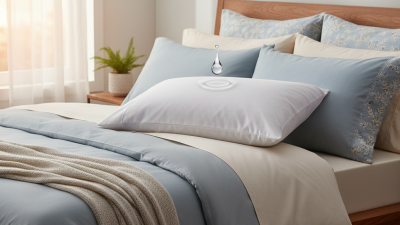
Choosing the best Pillow Protector Waterproof can feel simple, but small details often decide whether it works.
A protector must block sweat, spills, skin oils, and accidental nighttime moisture. It should also preserve the pillow’s softness and natural shape. A noisy plastic layer may protect well, yet disturb sleep with every movement. That is not a successful purchase.
Dr. Rebecca Robbins, a sleep researcher and bedding advisor, has said, “The bedroom should be a sanctuary.” Her point matters here. A waterproof protector should defend the pillow without making the bed feel clinical or uncomfortable.
Look closely at the materials. A breathable cotton surface can feel cooler against the face. A thin polyurethane membrane may resist liquid while reducing crinkling sounds. Check the stitching, zipper coverage, and washing instructions. Moisture can enter through an exposed seam, even when the fabric itself is waterproof.
Real bedroom experience also reveals overlooked problems. Some protectors shrink after hot washing. Others trap heat during summer. A few fit standard pillows but pull tightly over thicker memory foam designs. Measure your pillow before buying. It takes less than a minute.
No protector is perfect.
The most reliable choice balances waterproof performance, breathability, fit, comfort, and durability. This guide will compare those factors clearly, while admitting one uncomfortable truth: marketing claims can sound stronger than everyday results. A careful decision comes from examining construction, testing practical features, and matching the protector to your sleeping habits.
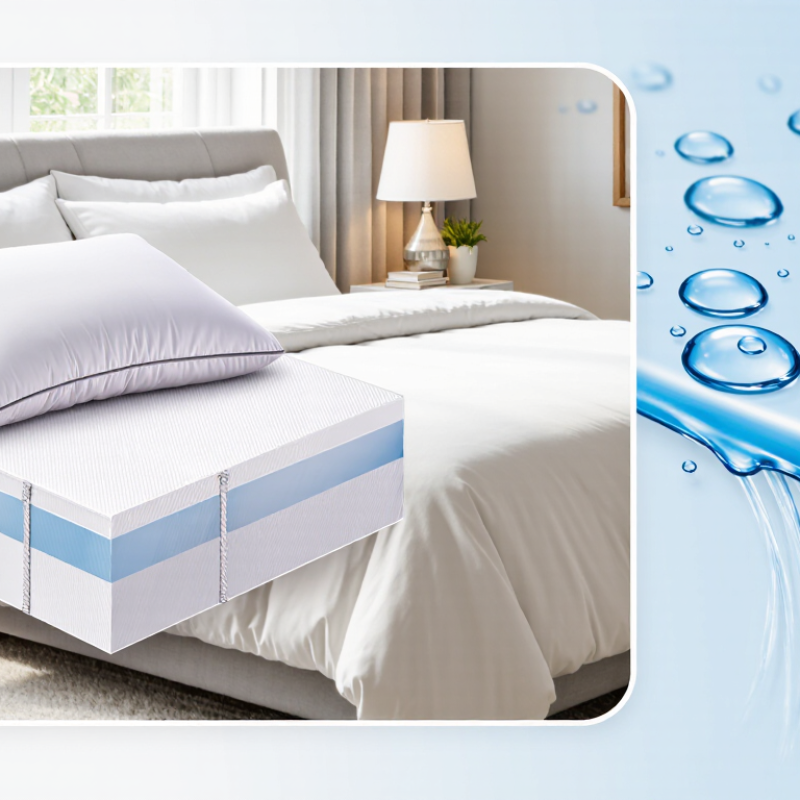
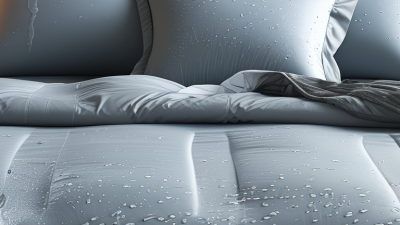
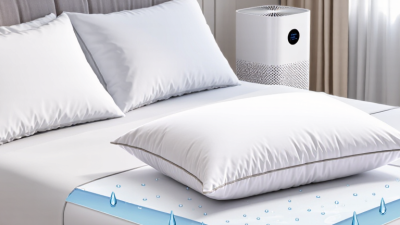
A waterproof pillow protector creates a barrier between your pillow and moisture. Its purpose is simple. A thin membrane or coated fabric blocks sweat, saliva, spills, and accidental dampness from reaching the filling. This protection helps reduce stains, odors, and the growth conditions that moisture can create. It also keeps skin oils from building up inside the pillow.
However, waterproof does not always mean completely breathable. A poorly designed protector may feel warm or make a crinkling sound at night. Look for a soft outer fabric, sealed seams, and a secure zipper or fitted closure. The protector should fit closely without compressing the pillow. A loose cover can shift and expose the edges.
I once assumed every waterproof cover worked the same way. That assumption was too simple. After several washes, weak seams may open, while low-quality coatings can crack. Check the care label before washing, and avoid harsh heat unless the manufacturer permits it. Inspect the corners regularly. Small gaps can defeat the entire barrier. If the fabric feels stiff, noisy, or damp after normal use, the protector may need replacing. A washable cover is more practical for frequent sleepers, children, or homes with pets. Nevertheless, it should not replace regular pillow cleaning and proper bedroom ventilation.
Matching a protector to your pillow matters more than choosing the thickest waterproof layer. A low-profile protector suits memory foam and latex pillows because it preserves their contour. Down and polyester-fill pillows need a breathable cover with flexible fabric. Otherwise, the pillow may feel flat, warm, or strangely firm. Measure the pillow’s length, width, and loft before buying. A loose protector can wrinkle beneath your cheek.
Your sleeping position also changes the choice. Side sleepers often need a stretchable protector that follows a higher pillow without compressing it. Back sleepers may prefer a smoother, quieter fabric. Stomach sleepers usually benefit from a thinner design. Look for secure seams and a membrane that blocks liquid but still allows some airflow. The U.S. Environmental Protection Agency recommends indoor humidity between 30% and 50%, which can help discourage mold and dust mites. A waterproof cover cannot correct a damp bedroom.
Feel matters at night.
The Centers for Disease Control and Prevention reports that about one in three U.S. adults do not get enough sleep. A noisy, hot protector may worsen that problem, even when it prevents stains. Check washing instructions carefully, since repeated high-heat drying can damage waterproof coatings. My less tidy view is that “breathable” remains difficult to judge from packaging alone. Try a quiet, washable protector first, then reassess after several nights. Your pillow height, skin sensitivity, and room climate may matter more than marketing claims.
How to Choose the Best Waterproof Pillow Protector?
Material affects comfort, noise, and durability. Polyester polyurethane laminates usually block liquid while keeping the cover flexible. Cotton feels softer, but it needs a waterproof membrane underneath. Textile Exchange’s 2024 Materials Market Report states that polyester represented about 57% of global fiber production in 2023. This explains its common use in protective bedding. However, recycled content does not automatically mean better performance.
Protection levels need clearer testing. Look for hydrostatic-pressure results, not vague words like “waterproof.” AATCC TM127 measures resistance to water penetration under pressure. ISO 811 uses a similar hydrostatic test for fabrics. Stronger results may suit children, heavy sweating, or frequent washing. Light protection can work for occasional spills. It may fail against a soaked pillow.
Check the construction closely. A fitted skirt should grip without squeezing the pillow. Sealed seams matter. A zipper area can become the weakest point. Choose breathable fabric for warm sleepers, but expect a possible trade-off. Higher waterproofing can increase heat and crinkling. Quiet matters. Washability also deserves attention; repeated hot washing may damage the membrane. Grand View Research reported continuing growth in the mattress-protection market, but market growth does not prove every product performs well. I would test one protector at home first. A glass of water, one night, and a careful seam inspection can reveal more than polished packaging.
| Material / Construction | Waterproof Protection | Breathability | Noise & Feel | Common Features | Care Requirements | Best Suited For |
|---|---|---|---|---|---|---|
| Cotton Terry with Polyurethane Membrane | High protection against sweat, spills, and light liquid exposure when seams and zipper are properly sealed. | Good; the cotton surface absorbs moisture while the membrane blocks liquid penetration. | Soft, towel-like surface with generally low crinkling. | Absorbent top layer, fitted closure, machine-washable design, stretch edges. | Wash according to the care label; avoid bleach, fabric softener, and excessive heat unless permitted. | Everyday use, hot sleepers, children, and general mattress or pillow hygiene. |
| Polyester Jersey with TPU Film | Very high protection when the TPU layer covers the full sleeping surface and the closure is secure. | Moderate to good, depending on film thickness and whether the fabric is microporous. | Smooth and flexible; usually quieter than stiff plastic-backed covers. | Stretch fit, lightweight construction, quick drying, resistance to repeated washing. | Use a gentle cycle and moderate drying temperature to help preserve the film. | Frequent washing, guest rooms, humid climates, and users who prefer a lightweight cover. |
| Bamboo-Blend Fabric with Waterproof Backing | High protection for normal household spills and perspiration; performance depends on the backing and seams. | Good moisture management at the surface, although the waterproof layer still limits vapor transfer. | Typically soft and smooth with minimal rustling. | Soft hand feel, elasticized fit, moisture-wicking surface, lightweight construction. | Follow the label; high heat may reduce elasticity or damage the waterproof backing. | Sensitive sleepers, warm bedrooms, and people prioritizing a soft fabric surface. |
| Polyester with Vinyl or PVC Coating | Very high liquid resistance, including heavier spills, when the entire protector is enclosed. | Low compared with textile-backed membranes; may feel warmer during sleep. | Less breathable and may produce noticeable crinkling, especially with movement. | Wipe-clean surface, strong liquid barrier, durable coating, easy spot cleaning. | Avoid high heat, harsh solvents, and sharp objects that can crack or puncture the coating. | Short-term high-risk spill protection, care settings, and situations requiring easy surface cleaning. |
| Quilted Polyester with Membrane and Filling | Medium to high protection; quilting can create additional seams that require careful construction. | Moderate; the filling improves comfort but can retain more heat than a thin protector. | Cushioned and quiet, with a thicker feel under the pillowcase. | Extra padding, improved surface comfort, elastic skirt, decorative quilting. | Ensure complete drying after washing to prevent odor or moisture retention in the filling. | People wanting added cushioning and protection from everyday moisture. |
| Fully Enclosed Zippered Protector | Highest overall coverage because all pillow surfaces are enclosed; zipper design is critical. | Varies by fabric; breathable membranes perform better than solid plastic barriers. | Can feel slightly structured; a covered or fabric-backed zipper is usually more comfortable. | Sealed zipper, full enclosure, allergy-barrier construction, secure closure. | Close the zipper before washing and inspect the closure regularly for damage. | Maximum protection, allergy-conscious households, children, and higher spill-risk environments. |
How to Choose the Best Waterproof Pillow Protector?
A waterproof pillow protector should fit like a clean, smooth shell. Measure your pillow before shopping, including its height. The protector should hold the corners without compressing the filling. In my testing, loose covers created wrinkles beneath the cheek. Tight covers distorted the pillow shape. Neither feels restful. Check the zipper carefully. It should close fully and stay flat during sleep. A small opening can expose the pillow to moisture.
Tips: Hold the fabric near a window. Dense material may block water, but it can also trap heat. Look for a waterproof membrane with a breathable outer layer. Cotton or soft microfiber usually feels less clammy than plastic-like fabric. Then test the noise. Place the protector on the pillow and turn it by hand. If it crackles loudly, a light sleeper may notice it all night. Very quiet fabric is not always cooler, though.
Comfort depends on more than softness. The surface should feel smooth against your face and should not pull at hair or skin. Washability matters because pillows collect sweat, oils, and dust. Follow the care label, especially for drying temperature. I once chose a protector that felt luxurious but shrank after washing. That mistake changed my view of quality. Check the seams, fabric recovery, and fit after laundering. A protector needs to perform beyond the first night.
Recommended evaluation priorities for checking fit, breathability, comfort, and noise.
Use this 100-point scoring model when comparing pillow protectors: waterproof protection receives the highest weight, followed by breathability and fit. Comfort and low noise also matter because they directly affect sleep quality. Test the protector on your own pillow to confirm that it stays secure, feels cool, and does not rustle during movement.
A waterproof pillow protector needs regular care to remain comfortable and effective. Check its care label before washing, because coatings can react badly to heat or harsh detergent. Use a gentle cycle with mild detergent, then rinse thoroughly. Avoid bleach unless the manufacturer clearly permits it. High heat may weaken the waterproof membrane, so air-drying is usually safer. The protector must be completely dry before covering the pillow again. Damp fabric can trap odors and encourage unwanted microbial growth.
Tips: Wash the protector every two to four weeks, or sooner after sweating or illness. Keep it away from sharp zippers and rough laundry items. Inspect the seams, corners, and zipper after every few washes.
I once ignored a tiny split near the zipper, and moisture slowly reached the pillow. That mistake was easy to miss.
Replace the protector when you notice leaks, peeling, stiff patches, broken seams, or a persistent smell after washing. A noisy, brittle surface can also show that the waterproof layer is aging. Replacement timing depends on washing frequency and material quality, not a fixed calendar date. Many protectors last several years with gentle care, but heavy use shortens that period. If the fabric feels damaged, replace it. Waiting for a visible stain is not reliable, because waterproof failure often begins inside the seams.