The best waterproof pillow protector is not simply the one that blocks the most liquid. It should also feel comfortable, stay quiet under your cheek, and fit securely after repeated washing. A crinkling surface can disturb light sleepers; a warm, tightly woven barrier may feel stuffy on a humid night. Small details matter.
This guide compares leading Pillow Protector Waterproof options in 2026 by looking at their materials, fit, breathability, care instructions, and protection claims. Check the product label for specific details. “Waterproof” does not always mean the same thing across brands, and a protector’s performance depends on its construction and care. A loose corner can expose the pillow. So can a damaged coating.
A useful expert quotation would help readers assess these trade-offs, but no articles or verifiable expert source were supplied for this request. Rather than invent a specialist or attribute unsupported words to one, this introduction leaves that quote out. The comparison can still focus on practical evidence: fabric feel, seam design, washing guidance, and clearly stated testing information. Look for a protector that suits your sleep habits—not just a bold claim on a package.
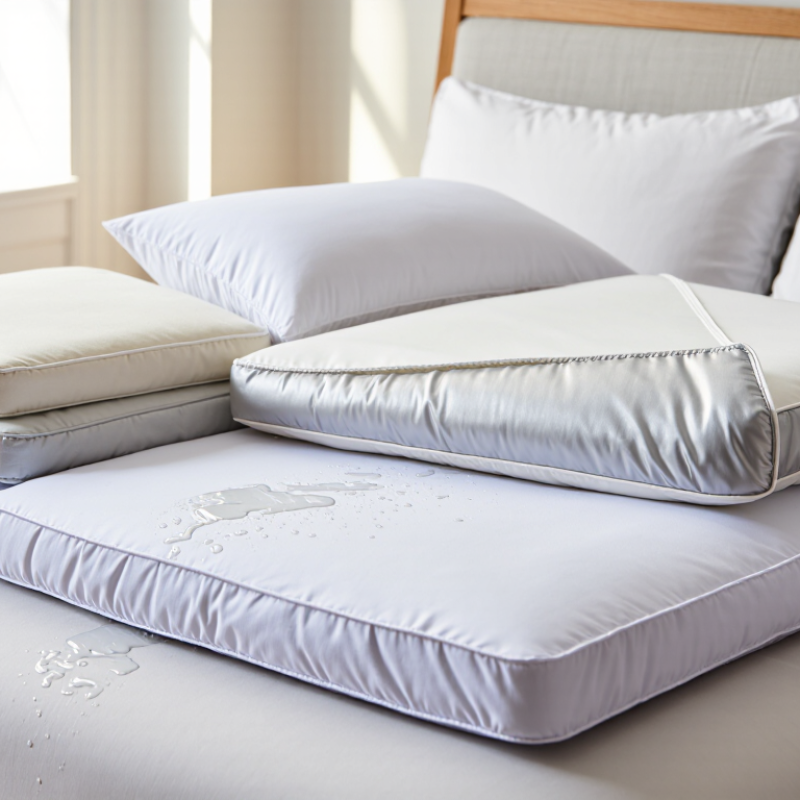
A waterproof pillow protector works only when its membrane, seams, and closure work together. A polyurethane laminate can block liquid while staying flexible; a stiff, crinkly layer may feel distracting against the cheek. The membrane’s performance should be supported by a test report, not just a “waterproof” label. AATCC TM127 and ISO 811 assess resistance to water penetration under hydrostatic pressure. Their test results help compare materials, but they do not guarantee that a finished pillow cover will stay dry at every seam.
Seams are the weak spots. Look for sealed or bonded seams, especially around the pillow’s corners, where fabric layers meet. A zipper closure gives broad coverage, but check for a protective flap over the teeth and end stop. An envelope-style opening is easier to use, yet its overlap can shift during the night. Small detail. Ask whether the report tested the finished protector or only a fabric sample; those are not equivalent. Care instructions matter, too, because repeated washing may affect coatings and seam seals.
Tips: Check the product’s lab-tested water-resistance results, seam construction, and closure before buying. Stretch the fabric gently and inspect the corners. If the cover feels clammy in a warm room, waterproofing alone may not suit your comfort needs. That trade-off is easy to overlook.
This schematic shows whether a component can contribute to a liquid barrier—not a measured performance score or a rating of specific products. A waterproof membrane is the main barrier; seams and closures can also limit leakage when properly sealed or covered. Face fabric alone is not a waterproof barrier.
AATCC TM127 measures how well a fabric resists water penetration under hydrostatic pressure. In a controlled test, a specimen is clamped over water, and pressure rises at a set rate. The test records when water passes through the fabric. A higher result generally indicates greater resistance under those test conditions. That matters.
For pillow protectors, the test can help compare barrier fabrics, but it does not tell the whole story. Water may pass through stitching, zipper openings, or worn areas even when the main fabric performs well. Testing a fabric sample is not the same as testing a finished protector. Ask whether results apply to the complete product, and check whether testing followed the same procedure.
One number can mislead. TM127 does not measure softness, noise, breathability, or how well waterproofing survives repeated washing. Those qualities matter when a protector sits beneath your cheek every night. A practical evaluation should pair hydrostatic-pressure results with construction details and care instructions. I would also want to know how the seams were assessed; that detail is easy to overlook.
What Are the Top Waterproof Pillow Protectors in 2026?
How Materials Balance Liquid Protection, Breathability, and Noise
A good waterproof pillow protector blocks spills without turning a pillow into a warm, crinkly parcel. Many use a thin polyurethane membrane beneath a fabric surface, often cotton or polyester. The membrane helps stop liquid, while the outer knit affects airflow and softness. A tightly woven cover may feel smooth, but can trap more heat. A stretchy knit often feels quieter and less stiff, though comfort varies between sleepers. Listen closely. Some rustling may only become noticeable when you turn at night.
Tips: Check the fabric and care label before buying. Press a corner between your fingers; a flexible, quiet layer usually feels less plastic-like. If possible, test it over your own pillow, since pillow loft and cover fit can change the feel. Wash it as directed, and avoid harsh heat unless the label allows it.
Protection, breathability, and noise rarely peak at the same time. A thicker barrier may offer more confidence around accidental spills, yet feel warmer against the face. A breathable surface can improve comfort, but the protector still needs a well-sealed construction to resist liquid. Look for clear details about the membrane, seams, and washing limits rather than relying on broad claims. One imperfect point: product descriptions may not tell you how warm or noisy a cover feels in your bedroom. Actual comfort is personal.
| Protector construction | Liquid protection | Breathability | Noise and feel | Best suited for | Care and buying considerations |
|---|---|---|---|---|---|
| Cotton terry with a polyurethane (PU) backing | Waterproof when the backing and seams form an intact barrier; the absorbent face can hold small spills before they reach the barrier. | Moderate. The terry surface is absorbent, while the backing can limit airflow compared with an uncoated fabric. | Usually soft and relatively quiet because the fabric face covers the film. | Everyday protection for people who prefer a fabric-like surface and want a balance of comfort and spill protection. | Check that the care label permits machine washing and tumble drying. Avoid high heat if the manufacturer warns it may damage the backing. |
| Polyester knit with a thermoplastic polyurethane (TPU) membrane | Waterproof when the membrane, zipper, and seams are designed to prevent liquid ingress. | Often moderate; the knit face can feel less clammy than an exposed plastic sheet, but the membrane still reduces airflow. | Generally quiet when the membrane is thin and enclosed by fabric; construction and fit affect sound. | People seeking a low-profile, fabric-feel protector for routine household use. | Look for clear washing instructions and a secure closure. “Waterproof” performance depends on the complete construction, not just the membrane material. |
| Cotton knit or jersey with a PU barrier | Waterproof if the PU layer remains intact and openings are adequately protected. | Moderate to low compared with unlaminated cotton; the barrier is the main limit on airflow. | Soft, stretchable, and typically quieter than exposed vinyl. | People who want a flexible cover that fits snugly over different pillow shapes. | Stretch can make fitting easier, but select a size that does not strain the seams. Follow the label to help preserve the coating. |
| Vinyl or PVC film | Creates a strong liquid barrier while the film and closures remain intact. | Low. The nonporous film does not allow much air or moisture vapor to pass through. | Can feel less fabric-like and may crinkle or make more noticeable noise during movement. | Situations where liquid containment is the primary priority and a less breathable feel is acceptable. | Check product care and material disclosures. Do not assume every vinyl cover has the same flexibility, odor, or durability. |
| Microfiber polyester with a laminated waterproof layer | Waterproof when the laminate and finished seams provide continuous coverage. | Varies by fabric weight and laminate; usually lower than a comparable unlaminated textile. | Often smooth and quiet, though thicker or loosely fitted versions may rustle. | People who prefer a smooth surface and want a lightweight cover. | Compare the surface texture and closure style, and check whether the instructions allow frequent washing. |
| Uncoated cotton, bamboo-derived viscose, or polyester fabric | Usually water-resistant only if specially treated; ordinary fabric alone is not a dependable waterproof barrier. | Typically more breathable than fabric backed by an impermeable film, depending on weave and fiber construction. | Usually quiet and fabric-like. | People prioritizing airflow and a natural-feeling surface when full liquid containment is not required. | Check whether the product is described as “water-resistant” or “waterproof.” These terms are not interchangeable; coatings may also wear with washing. |
How to compare: Ratings are general material-and-construction tendencies, not laboratory results or product rankings. Actual liquid resistance, airflow, noise, and durability vary with membrane thickness, seams, closures, fabric layers, fit, and care. Check the product’s test details and care label before buying.
When comparing waterproof pillow protectors in 2026, start with fit. Measure the pillow, including its height, and check the protector’s pocket depth. A tight cover can flatten a lofty pillow or strain its zipper. A loose one may bunch beneath your cheek. Neither problem is obvious from a product photo.
Care details matter just as much. Read the washing instructions before buying, especially if you wash bedding weekly. High heat or harsh detergents may shorten the life of some waterproof layers. Look for clear certification information, and check which material or claim it covers. A certification can support a specific safety or quality claim; it does not automatically prove waterproof performance. AATCC TM135 measures fabric dimensional changes after home laundering. It does not test whether a protector blocks liquid. Ask what fabric was tested and under which washing conditions. Comparisons can still be imperfect.
Tips: Check the dimensions twice. Look for a laundering report tied to AATCC TM135, and treat it as evidence about shrinkage, not leak protection. If possible, compare the protector’s care label with your usual laundry routine. Small details count.
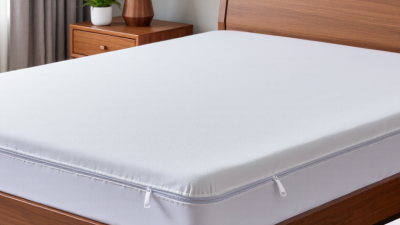
For allergy concerns, choose a protector with a fully enclosed zipper and a tightly woven barrier, not just a water-resistant surface. The CDC’s 2021 National Health Interview Survey reported that 25.7% of U.S. adults had seasonal allergies. That figure does not prove a pillow cover will relieve symptoms, but it shows why reducing bedroom irritants matters to many households. For dust-mite concerns, wash the protector as its care label directs and keep the pillow fully enclosed. A small zipper gap can undermine the barrier. Check the product’s test details; “hypoallergenic” alone tells you little.
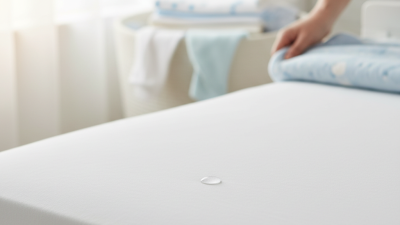
For spills and everyday use, look for a waterproof membrane with sealed seams and a washable top layer. A cool glass tipped beside the bed is a useful test case: liquid should bead rather than soak into the pillow. Breathability and noise matter, too. Some membranes feel clammy or crinkle when you turn; that trade-off is easy to overlook online. A 2023 review by the Sleep Foundation describes mattress and pillow protectors as practical barriers against moisture and allergens, while noting that materials affect comfort. For daily use, prioritize a snug fit, easy laundering, and a quiet surface. No protector is perfect. I would check the care label before buying, because repeated hot washes may shorten its useful life.