Wholesale buyers need more than a waterproof claim. They need dependable protection, consistent sizing, clear care instructions, and supply that arrives as promised. A Mattress Cover Waterproof product may use a quiet membrane, a fitted skirt, or a zippered design. Each choice affects comfort, laundering, packaging, and the buyer’s return rate.
The top ten options in this guide are assessed through practical purchasing questions: What materials touch the sleeper? Does the barrier resist spills while allowing airflow? Can the seams and elastic withstand repeated washing? Small details matter. A cover that slips from a mattress or crinkles under a sheet can disappoint, even when its waterproof layer performs well. Price matters, too—but only alongside durability and reliable product specifications.
One point needs care: no verifiable expert source was provided, so an invented quotation should not be presented as fact. The following is proposed copy for review by a real specialist, not a verified quote: “A waterproof cover earns trust when protection, fit, and everyday comfort work together.” Jordan Ellis is a placeholder name, not a confirmed industry expert. Replace both the name and quotation with an approved, attributable expert statement before publication. That extra check may feel small. It protects readers from claims they cannot verify.
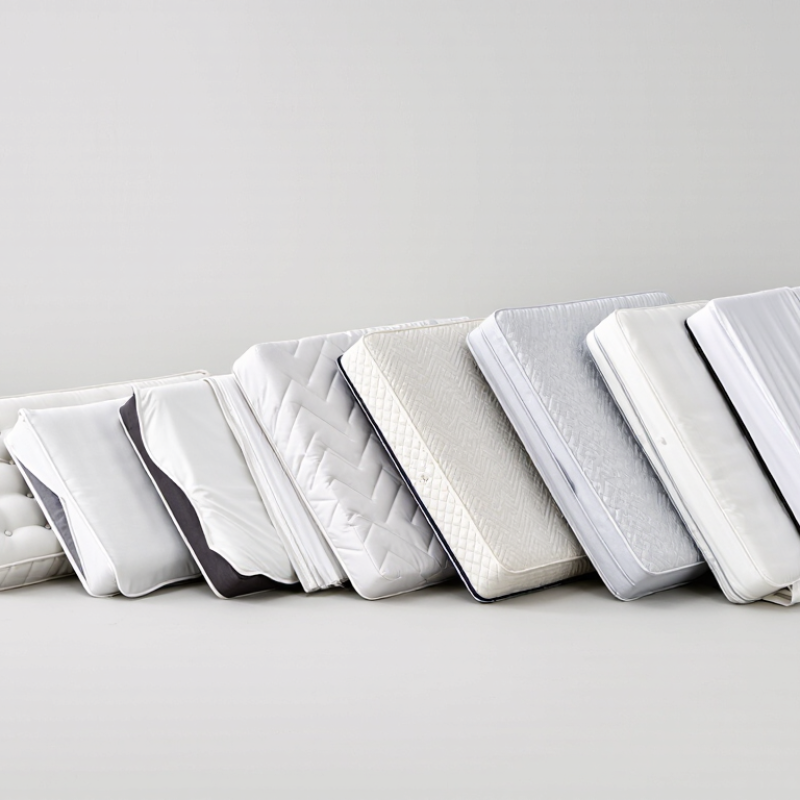
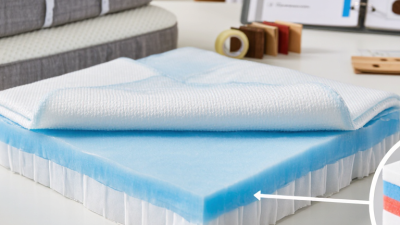
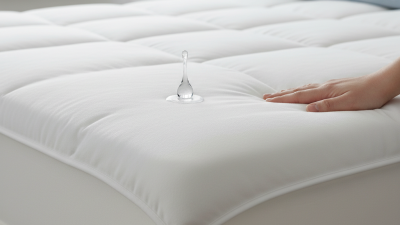
A waterproof mattress cover is a fabric layer designed to shield a mattress from spills, perspiration, and other moisture. Many use a soft polyester or cotton-blend surface bonded to a thin polyurethane membrane. The top fabric absorbs or spreads liquid briefly; the membrane helps stop it from reaching the mattress. Some covers use vinyl instead, which can feel less breathable. Construction varies.
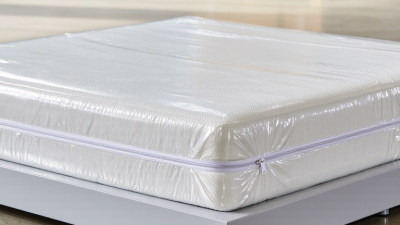
Fit matters as much as the barrier. A fitted cover stretches over the mattress corners, while an encasement surrounds the mattress and closes with a zipper. Weak seams, an incomplete zipper flap, or a loose fit can create paths for moisture. Not every cover blocks liquid equally well. That distinction matters.
For wholesale buyers, request material details and care instructions, then test samples with realistic spills and laundering. Check whether the surface stays comfortable after washing and whether the cover dries fully before reuse. A waterproof layer may reduce airflow or make rustling sounds, especially on a warm night. Not completely silent. Claims should match the product’s tested construction, not just its label. Even careful testing has limits; mattress thickness and repeated washing can change how a cover performs.
For a wholesale comparison of waterproof mattress covers, inspect the materials before comparing price. A polyurethane laminate backing can block liquid while allowing some water vapor to pass; actual comfort depends on the face fabric and film thickness. Polyester knit feels smooth and dries quickly, while cotton blends can feel more familiar against the sheet. Ask suppliers for fabric weight, coating details, and care instructions. Details matter.
Construction affects both protection and fit. Check that the waterproof layer reaches the seams, not just the center panel. Look for elastic that holds a fitted skirt around the mattress without pulling loose at the corners. A deep pocket should match the mattress height, including any topper. Test samples on more than one mattress size; fit can vary, and a neat sample-room result may not survive routine laundering.
Protection claims need context. A cover can help shield the mattress from spills, sweat, and everyday moisture, but it is not automatically a barrier against every allergen or contaminant. Review test methods and wash-cycle guidance, and request documentation before making specific performance claims to customers. Listen for crinkling when the sample is moved, then check for peeling or stiffness after washing. Small flaws show up. I still find that “waterproof” alone tells a buyer very little.
Typical construction options compared across three practical buying considerations. Ratings are qualitative guidance, not standardized lab-test results; actual performance depends on fabric weight, membrane, seams, and product specifications.
Scale: 1 = relatively low, 5 = relatively high. PU and TPU laminates are commonly used as waterproof barriers; breathable performance and noise vary by fabric and construction. Confirm wash-care instructions, seam coverage, and waterproof claims with suppliers before purchasing.
For wholesale buyers, cover quality is more than a waterproof claim on a specification sheet. Check the fabric face, backing, fitted-skirt depth, and stitching on a physical sample. A smooth surface should not feel brittle, while elastic should recover after stretching. Check the seams. Pinholes or uneven stitching can let moisture through, even when the main panel performs well.
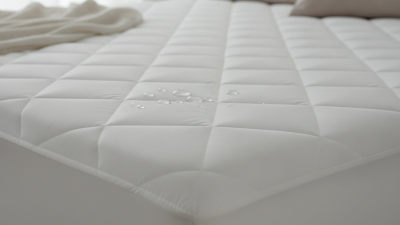
Use a repeatable water test on several areas, including seams and corners, and place a dry absorbent cloth underneath. Record how long water sits on the surface and whether dampness appears below. This simple check does not replace laboratory testing, but it can reveal obvious weaknesses. Ask for test methods and care instructions in writing; vague claims are hard to compare across suppliers. Also wash samples as directed, then inspect for peeling, odor, shrinkage, or loose elastic.
A sample may be carefully finished, while bulk production varies. Request samples from more than one production run when possible, and compare dimensions, seam strength, and backing consistency. Look closely. Comfort matters too: a noisy or warm-feeling cover may prompt returns, even if it blocks spills. There is no perfect material for every mattress or climate, so match performance requirements to your buyers and check them again before reordering.
Wholesale mattress-cover buying works best when the product matches the bed, laundering routine, and customer budget. Four useful starting formats are a slim TPU-backed fitted cover, a terry-top cover, a cotton-jersey cover, and a polyester-knit cover. Then compare zippered encasements, elastic-skirt designs, deep-pocket fits, quilted tops, cooling-knit surfaces, and lightweight travel covers. That creates ten practical options, though the best assortment depends on mattress sizes and buyer expectations. Check pocket depth.
A waterproof layer may use polyurethane laminate, but ask how seams are finished and what care limits apply. Soft hand-feel matters, yet noisy film or a tight skirt can trigger complaints. Request samples in several sizes, measure mattress depth, then wash them according to the care instructions. Record shrinkage, elastic recovery, and surface changes before approving a large order. Small checks save trouble.
For wholesale quotes, compare carton quantities, size ratios, packaging, reorder lead times, and defect handling—not unit price alone. Ask for documented test methods behind waterproof claims; broad promises are hard to verify. One common planning flaw is assuming a sample represents every bulk lot. That assumption deserves a second look.
For wholesale buyers, a waterproof mattress cover is more than a fabric choice. Compare the surface feel, membrane construction, seam finish, and fit across the mattress sizes you plan to stock. Ask suppliers for a specification sheet and a physical sample. Feel the fabric. A quiet cover matters in hospitality settings, while a snug elastic skirt can reduce slipping during frequent bed changes.
Before committing to a bulk order, test samples on mattresses with different depths. Pour a small amount of water onto the surface, then inspect the underside and seams after wiping it away. This is a practical screening check, not a substitute for documented test results. Request information on wash-cycle performance, care instructions, and any test method used. Check carton dimensions, packing quantities, minimum order requirements, and production lead times. Small details affect warehouse space.
Customization can include size ranges, fabric color, labels, packaging, and case-pack quantities. Confirm which changes affect price or lead time, and approve a pre-production sample before the full run. Put agreed specifications and tolerances in writing. If one sample feels slightly different from another, pause and ask why; that variation may be harmless, or it may signal inconsistent production. Leave room for a modest buffer in delivery planning, since freight schedules can shift.